

Gold Nebula Shrimp
Caridina villadolidi
- Care level
- Intermediate
- Adult size
- 2–3.5 cm
- Minimum tank
- 20 litres
- Temperature
- 20–26 °C
Species profile
Caridina logemanni
Common names: Crystal Red Shrimp, Red Bee Shrimp, Crystal Red Bee Shrimp
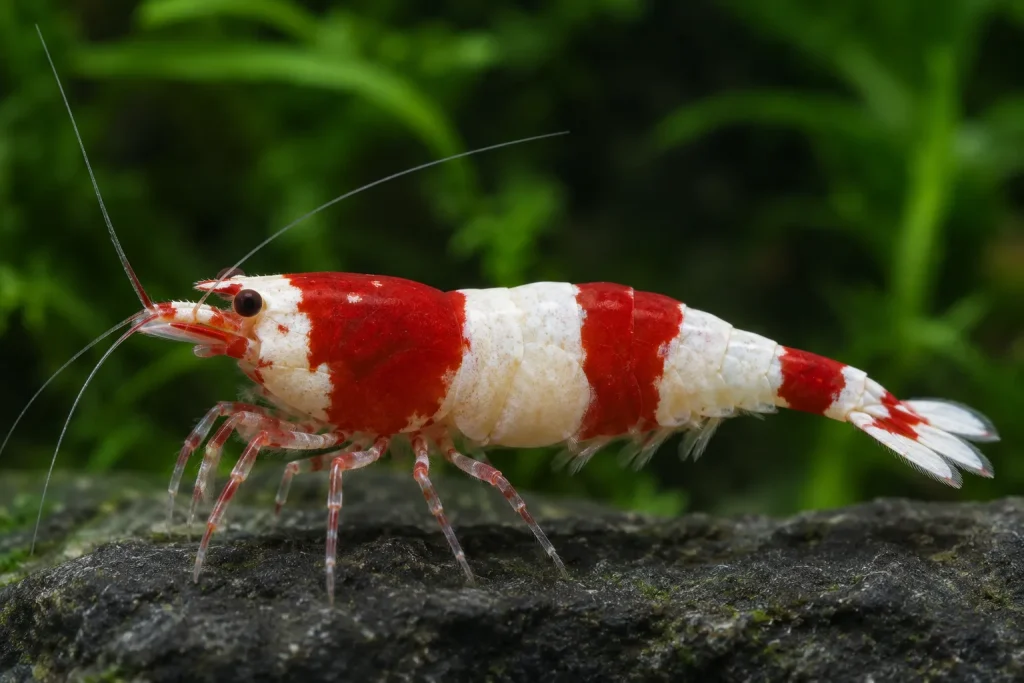
Up to 3 cm
Typical adult length 2–3 cm.

Captive aquarium-trade line selected for red coloration. Selected bee-shrimp pattern or lineage. Pattern coverage, opacity, grade terminology, and ancestry vary among breeders.
Crystal Red is an aquarium line of Caridina logemanni, not a separate species. Names and grades vary between breeders, so judge each shrimp by its colour and pattern, and ask the seller about its line.
Mature females are larger, with a rounder underside, and often show developing eggs behind the head. Males are smaller and slimmer.
Use a mature aquarium of 20 litres or more with an active soil that holds the pH low, sponge filtration, and moss or wood for grazing. These shrimp are sensitive to change, so add them only once the tank is stable, and keep it cool.
Peaceful and active, spending most of the day grazing on biofilm. Shrimp often hide for a while after moulting.
Maintain with conspecifics or peaceful shrimp-safe tankmates where ecological requirements overlap.
Not normally territorial.
Best in a species-only tank, or with very small, peaceful fish that will not eat young shrimp and that enjoy the same soft, cool water. Keep different Caridina lines apart if you want them to stay true, and do not mix them with Neocaridina, which need different water.
Some links may earn us a commission on qualifying purchases, at no extra cost to you. Check suitability, price and availability with the seller. How affiliate links work
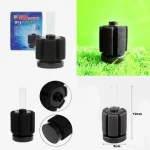 Xinyou XY-2835 small sponge filter
A small air-driven filtration option for a lightly stocked dwarf-shrimp setup. The seller lists a sponge approximately 5.5 cm across and 7 cm high.
An air pump and airline are required separately. Choose the complete filter and pump combination for your actual tank and stocking; this small sponge is not presented as the sole filter for a large aquarium.
Soft, acidic water with almost no KH suits these shrimp. Many keepers remineralise RO water and rely on a buffering soil, which wears out over time. Stability matters as much as the exact numbers.
Omnivorous biofilm grazer. Feed mature biofilm, leaf litter, and small portions of quality shrimp foods while maintaining very stable water chemistry.
Monitor body condition and avoid overfeeding or unstable organic waste accumulation.
Some links may earn us a commission on qualifying purchases, at no extra cost to you. Check suitability, price and availability with the seller. How affiliate links work
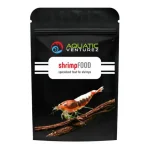 Aquatic Venturez dwarf-shrimp food – 10 g
A specialist prepared-food option for the dwarf-shrimp diet described above. This listing is a 10 g pack.
Use small portions alongside the mature grazing surfaces and other foods in the care guide. Remove leftovers and adjust the amount to the number of shrimp feeding. This is not a food recommendation for filter-feeding shrimp.
Females carry eggs under the abdomen for about a month, and the young hatch as tiny shrimp with no larval stage. Keep lines separate, because they can interbreed.
You can write a note about what worked for you, or send a photograph. We check everything before it appears here.
Caridina villadolidi
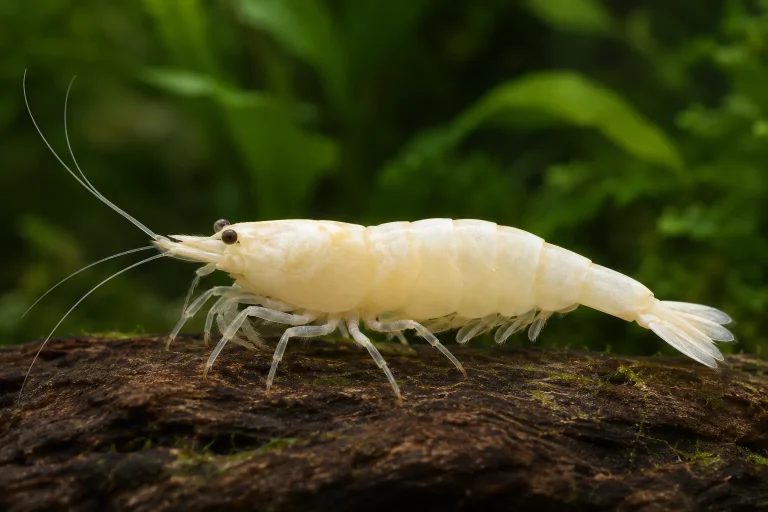
Caridina logemanni
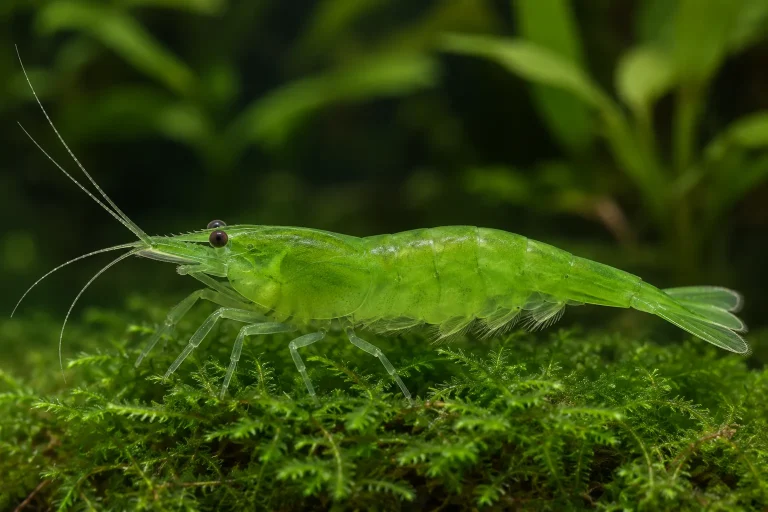
Caridina babaulti
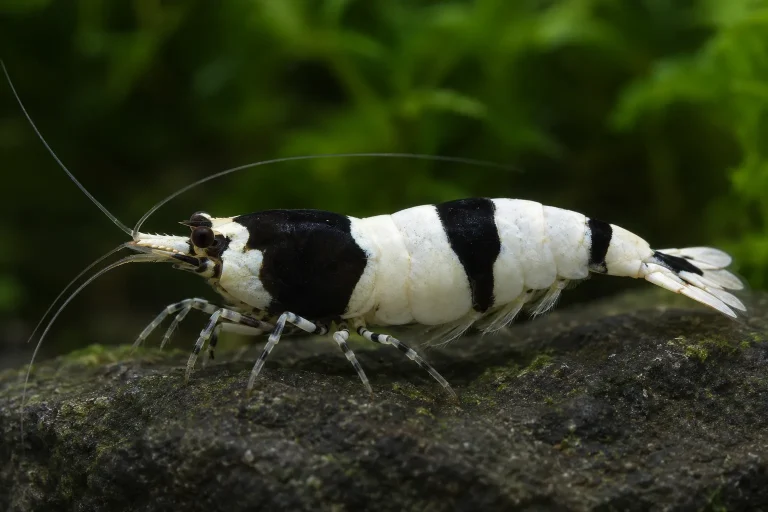
Caridina logemanni