
July 23, 2026
Algae Outbreak Guide
An algae outbreak is a rapid or persistent increase in visible algae that overwhelms the amount you normally tolerate in the aquarium. It can cover glass, hardscape, substrate, or plant leaves, and it often appears after a change in lighting, feeding, plant growth, maintenance, or tank maturity. The outbreak is a symptom of conditions that favor algae, not proof that the aquarium is dirty or ruined.
The fastest useful response is to remove as much algae as practical, protect water quality, and identify the change that gave it an advantage. Avoid making five major adjustments at once. If you shorten the light period, stop fertilizer, replace filter media, add livestock, and dose an algaecide on the same day, you will not know what helped—and you may stress the aquarium more than the algae did.
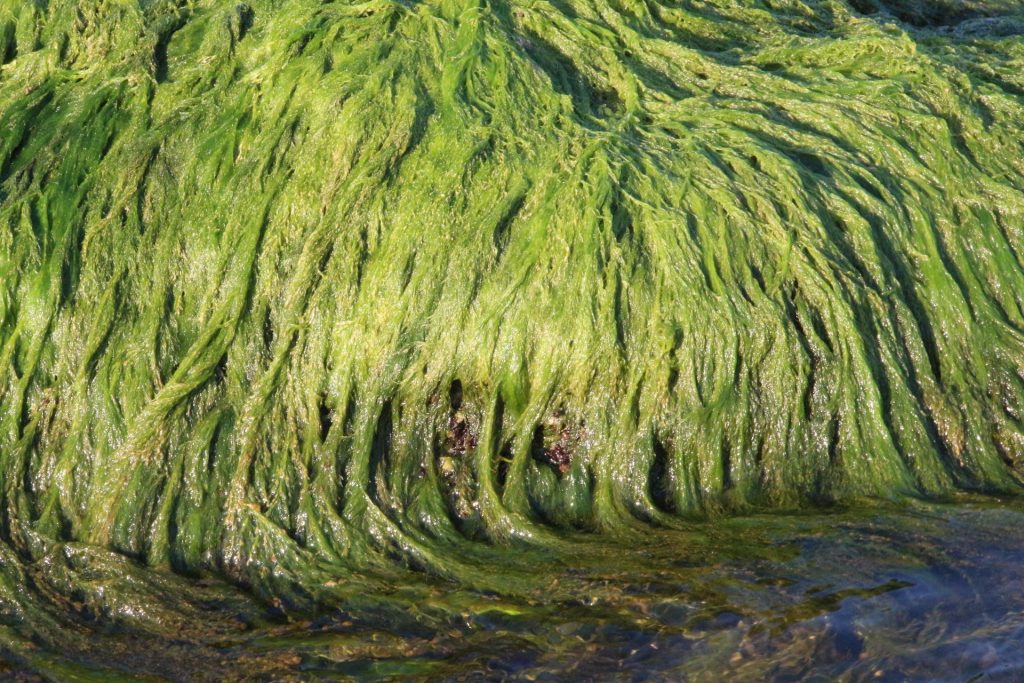
What to Do First During an Algae Outbreak
Check livestock behavior and test water if the tank has any sign of distress. Algae itself is often more of a management problem than an emergency, but the event that triggered it—such as excess waste or failing filtration—may affect fish and invertebrates.
Manually remove algae from glass, hardscape, and plants, then siphon loose material during a water change. This immediately reduces the amount that must be controlled biologically.
Record the current light schedule, fertilizer routine, feeding, CO2 settings if used, and recent maintenance. That snapshot gives you a baseline for diagnosis.
Treat the first maintenance session as a reset, not a war against every visible cell. Clean the viewing panes, remove the worst strands or mats, trim leaves that are beyond recovery, and siphon loosened material while changing water. Then stop and observe. Leaving a few representative patches can actually help you judge whether growth has slowed. If livestock is breathing normally and ammonia and nitrite are controlled, there is usually no need to tear down the aquarium. A complete teardown destroys useful stability and often produces another immature phase in which algae can return.
Common Triggers Behind Sudden Algae Growth
Longer or stronger lighting is a frequent trigger, especially after installing a new fixture. Seasonal sunlight can also reach the tank even when the aquarium light has not changed.
Overfeeding, dead plant tissue, accumulated detritus, and reduced filter flow increase organic load. A neglected filter may still run while moving much less water than usual.
Plant setbacks matter too. A major trim, melting new plants, nutrient shortage, or unstable CO2 can reduce plant uptake and leave the aquarium temporarily unbalanced.
Build a timeline for the two or three weeks before the outbreak. Did you replace an old light with a stronger LED, increase the photoperiod, remove a large mass of fast-growing plants, begin feeding fry, clean the filter heavily, or allow sunlight to reach the tank? These changes matter more than a generic list of algae causes. A planted tank can also tip after CO2 runs out or a diffuser becomes dirty because light continues driving demand while carbon delivery falls. The most recent meaningful change is often the best place to begin investigation.
Reset the Lighting Schedule
Put the light on a timer and choose a consistent schedule appropriate to the plants. If the outbreak followed a lighting increase, return toward the previous stable setting rather than plunging the tank into indefinite darkness.
Blackouts are sometimes used for particular problems, but they do not correct the underlying reason the aquarium favored algae. The growth can return when normal lighting resumes.
Keep direct sunlight in mind. A tank that receives several hours of summer sun may effectively have a much longer and stronger photoperiod than the timer suggests.
If the aquarium uses an adjustable fixture, choose either a modest intensity reduction or a shorter photoperiod first rather than changing both. That gives you a clean experiment. Keep sunrise and sunset effects in perspective: decorative ramping is less important than the total useful light plants and algae receive. For tanks beside windows, observe the glass at different times of day because a narrow beam of direct sun can move seasonally. Once algae growth slows, do not immediately restore the old lighting. Let healthy plant growth become established before testing a gradual increase.
Nutrients, Feeding and Organic Waste
Feed livestock what they can use and remove large leftovers. Reducing chronic excess is different from starving fish or eliminating plant fertilizer.
Healthy planted tanks need nutrients. Driving nitrate or phosphate to zero can weaken plants and create another limitation. Fertilize according to the actual plant system rather than treating every nutrient as an algae poison.
Remove dead leaves, vacuum accessible debris, and restore normal filter flow. Clean biological media gently enough to preserve its function rather than replacing everything at once.
An outbreak after heavy feeding does not mean phosphate or nitrate must be chemically stripped from the water. The more direct correction is to reduce uneaten food, remove decomposing material, and restore a portion size the livestock can finish. In planted tanks, continue supplying the nutrients required for healthy growth unless testing and the fertilization method give a reason to change them. Starved plants often stall before algae disappears. The goal is controlled nutrient input matched by plant uptake and maintenance, not a tank with laboratory-zero readings that cannot support its plants.
Manual Removal by Algae Location
Use an aquarium-safe scraper on glass. Brush hardscape where appropriate and siphon the loosened algae. For plant leaves, rub gently or trim badly affected tissue.
Long filamentous algae can often be wound around a toothbrush or similar aquarium-only tool. Work in sections so fragments do not spread throughout the tank.
Repeat removal during routine maintenance. Each session reduces biomass while your lighting and plant-health corrections begin to take effect.
Match the tool to the surface. A plastic or appropriate aquarium scraper works on glass; a toothbrush can wind up long filaments on rock and wood; a siphon can capture loose mats as they are disturbed. Plant leaves require more restraint because a damaged leaf becomes another source of decaying material. Work from the top of the aquarium downward so debris that falls can be collected at the end. Rinse reusable tools in plain water and reserve them for aquarium use. Repeating this process weekly is often more effective than one extremely aggressive cleaning.
When Algae Eaters Help—and When They Do Not
Grazers can be useful for ongoing control of algae types they actually eat. Amano shrimp, nerite snails, Otocinclus, and other animals all have different strengths and care requirements.
Do not buy a large pleco or another unsuitable animal for a small aquarium simply because it is marketed as an algae eater. Adult size and waste production can create a larger problem.
Livestock cannot compensate for excessive light, chronic overfeeding, or failing plant growth. Use them as compatible members of the community, not as the primary treatment.
If you already keep compatible grazers, make sure the outbreak has not simply exceeded what they can consume. A small group of shrimp cannot keep pace with rapidly growing filamentous algae under excessive light. Adding many more animals increases the bioload and may create feeding problems once algae declines. Research adult size carefully: common plecos and some other fish sold for algae control can become large and produce substantial waste. The best grazer is one that fits the permanent stocking plan even if the aquarium becomes nearly algae-free.
A Two-to-Four-Week Recovery Plan
Keep the corrected light schedule consistent, remove algae weekly, maintain normal water changes, and keep feeding measured. Avoid daily changes to the plan based on small visual fluctuations.
Watch new plant growth. If new leaves are healthy and remain cleaner, the system is moving in the right direction even if old hardscape still has algae.
Once the outbreak is controlled, change settings slowly. The objective is a stable routine that prevents another outbreak, not a temporary tank that works only under emergency restrictions.
During recovery, compare the same locations each week: a front-glass corner, one slow-growing plant, and a piece of hardscape are useful reference points. You are looking for slower regrowth after cleaning, healthier new leaves, and a tank that needs less manual removal each week. If nothing changes after several consistent maintenance cycles, revisit the diagnosis rather than stacking on more treatments. Check light intensity, sunlight, CO2 delivery if used, plant nutrition, filter flow, and feeding again. Recovery is complete when the normal routine controls algae without emergency cleaning.
Frequently Asked Questions
What Causes a Sudden Algae Outbreak?
Common triggers include lighting changes, sunlight, overfeeding, waste accumulation, plant setbacks, and unstable CO2. Keep the correction consistent for several maintenance cycles before deciding it failed, unless fish or invertebrates are in immediate distress. Keep the correction consistent for several maintenance cycles before deciding it failed, unless fish or invertebrates are in immediate distress. Keep the correction consistent for several maintenance cycles before deciding it failed, unless fish or invertebrates are in immediate distress.
Should I Stop Fertilizing During an Algae Outbreak?
Not automatically. Healthy plants need nutrients; correct the actual imbalance instead of starving them. Keep the correction consistent for several maintenance cycles before deciding it failed, unless fish or invertebrates are in immediate distress. Keep the correction consistent for several maintenance cycles before deciding it failed, unless fish or invertebrates are in immediate distress. Keep the correction consistent for several maintenance cycles before deciding it failed, unless fish or invertebrates are in immediate distress.
Do Water Changes Remove Algae?
They help remove loose material and manage waste, but the underlying light or growth imbalance must also be corrected. Keep the correction consistent for several maintenance cycles before deciding it failed, unless fish or invertebrates are in immediate distress. Keep the correction consistent for several maintenance cycles before deciding it failed, unless fish or invertebrates are in immediate distress. Keep the correction consistent for several maintenance cycles before deciding it failed, unless fish or invertebrates are in immediate distress.
Should I Turn the Lights Off Completely?
A blackout may suppress some problems temporarily, but it does not replace diagnosis and long-term correction. Keep the correction consistent for several maintenance cycles before deciding it failed, unless fish or invertebrates are in immediate distress. Keep the correction consistent for several maintenance cycles before deciding it failed, unless fish or invertebrates are in immediate distress. Keep the correction consistent for several maintenance cycles before deciding it failed, unless fish or invertebrates are in immediate distress.
Are Algae Eaters Enough to Fix an Outbreak?
No. They can assist with compatible algae types but cannot compensate for excessive light or poor maintenance. Keep the correction consistent for several maintenance cycles before deciding it failed, unless fish or invertebrates are in immediate distress. Keep the correction consistent for several maintenance cycles before deciding it failed, unless fish or invertebrates are in immediate distress. Keep the correction consistent for several maintenance cycles before deciding it failed, unless fish or invertebrates are in immediate distress.
How Long Does Algae Recovery Take?
Visible improvement often requires repeated maintenance over several weeks rather than a one-day fix. Keep the correction consistent for several maintenance cycles before deciding it failed, unless fish or invertebrates are in immediate distress. Keep the correction consistent for several maintenance cycles before deciding it failed, unless fish or invertebrates are in immediate distress.
Why Does Algae Return After Cleaning?
Cleaning removes existing growth; it returns when the conditions that favored it remain unchanged. Keep the correction consistent for several maintenance cycles before deciding it failed, unless fish or invertebrates are in immediate distress. Keep the correction consistent for several maintenance cycles before deciding it failed, unless fish or invertebrates are in immediate distress.
An algae outbreak rarely needs a complete aquarium reset. Remove the excess growth, restore a consistent light and maintenance routine, and trace the outbreak back to recent changes in feeding, plant health, sunlight, CO2, or filtration. Keep corrections stable long enough to judge them. The useful endpoint is not a perfectly sterile tank; it is an aquarium where normal weekly care keeps algae from overwhelming plants and hardscape.