

Hygrophila Difformis (Water Wisteria)
Hygrophila difformis
- Care level
- Beginner
- Placement
- Background, Midground
- Light
- Low, Medium
- CO₂
- Optional
Plant profile
Hygrophila corymbosa 'Angustifolia Rubra'
Common names: Hygrophila Angustifolia Rubra, Hygrophila corymbosa



A medium to tall aquarium or wetland plant with long narrow leaves and green to bronze with reddish stems or leaves. Best used for fast midground and background groups; care and final appearance vary with aquarium conditions.
This medium to tall plant has long narrow leaves. Its commonly observed colour is green to bronze with reddish stems or leaves. Colour, leaf size, and internode length can change with light, CO₂, nutrients, temperature, and the individual plant.
It grows from upright or trailing stems and normally branches after trimming.
It is normally used for fast midground and background groups. During the first few weeks, watch the growing tip, roots, and new submerged leaves. Do not judge success only from old nursery-grown foliage.
Injected CO₂ is recommended for the best form, although it is not automatically required. Stable CO₂ often produces faster growth, shorter internodes, larger or healthier leaves, and denser groups.
CO₂ must remain stable and be balanced with light, macro- and micronutrients, circulation, and oxygen. Adding CO₂ does not make very strong light automatically safe.
Increase light or fertiliser only after the plant is producing healthy new growth. Sudden changes can cause melting, algae, or stalled tops.
Some links may earn us a commission on qualifying purchases, at no extra cost to you. Check suitability, price and availability with the seller. How affiliate links work
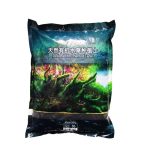 Amazon aqua soil – 3 L planting substrate
A nutrient-bearing substrate option for the rooted planting described above. This is a 3-litre pack; calculate the amount needed from your tank footprint and intended substrate depth.
The seller describes a water-softening effect. Check its effect on pH and hardness against your livestock requirements before use, and cycle the aquarium before adding animals. Keep plant crowns and growing points at the level recommended in the care guide.
This plant should be rooted in substrate, floated, or allowed to spread through runners according to its growth habit. Do not glue healthy stems, crowns, or roots to wood or stone.
Frequent light trimming usually creates denser growth. Long delays between trims can produce shaded, bare lower stems.
Propagate only healthy growth. A melting, algae-covered, or recently imported plant should recover before being divided or cut heavily.
Transport, planting, and conversion from emersed to submerged growth can cause temporary leaf loss or slow growth.
Red colour is variable and usually improves with stable CO₂, suitable light, and nutrition.
Yellowing, holes, pale tips, red colour loss, twisted growth, or slow growth can have several causes. Possible causes include nutrient imbalance, unstable CO₂, unsuitable light, temperature stress, damaged roots, adaptation, algae, or physical damage.
Old damaged leaves will not repair themselves. Use the next several leaves to assess whether the change helped.
You can write a note about what worked for you, or send a photograph. We check everything before it appears here.
Hygrophila difformis
Hygrophila corymbosa 'Compact'
Hygrophila lancea 'Araguaia'
Hygrophila corymbosa 'Siamensis'