
Cornerstone Guide
Freshwater vs Saltwater Aquariums
A freshwater aquarium is usually cheaper, simpler and more forgiving, which makes it the better first tank for most people. A saltwater tank needs extra equipment, salinity control and closer testing, but it opens up marine fish and corals. Choose by the animals you want, your budget and the time you can give each week.
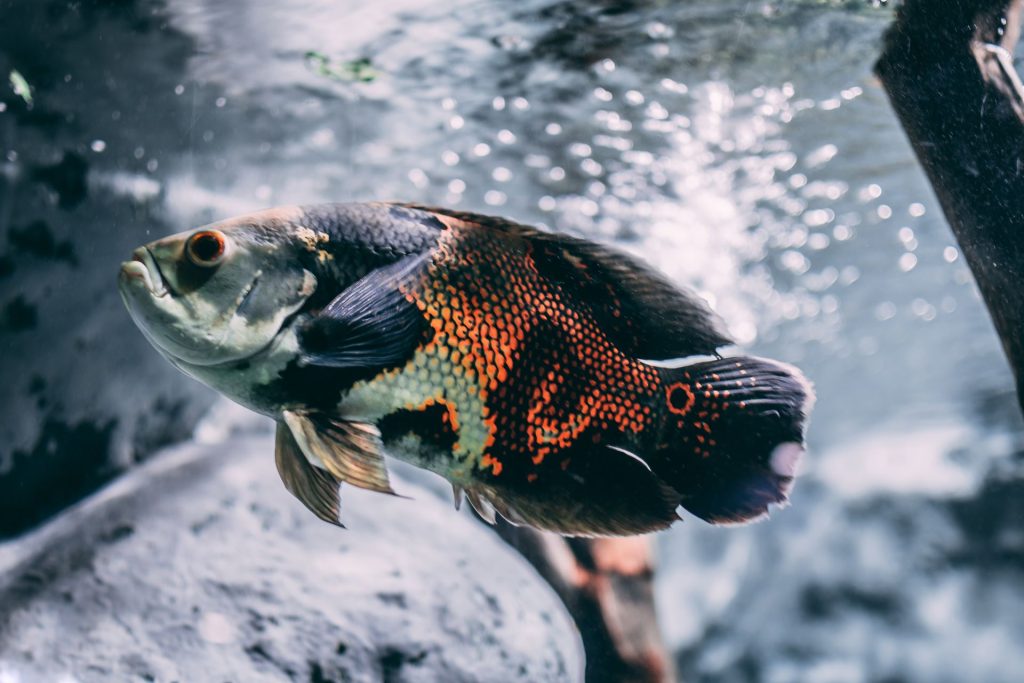
Freshwater vs Saltwater Aquariums at a Glance
Both freshwater and marine aquariums depend on biological filtration, stable water quality, suitable stocking, and routine maintenance. The main difference is that marine systems require saltwater preparation and salinity control, while reef systems add demanding lighting, mineral chemistry, and coral-specific husbandry. Freshwater is not maintenance-free, but the entry path is usually simpler.
Setup Cost and Essential Equipment
A basic freshwater community can run with a tank, filter, heater where needed, light, conditioner, tests, and maintenance tools. Marine setups add a reliable method of mixing saltwater and measuring salinity; reef tanks may also use stronger lights, circulation pumps, protein skimmers, dosing equipment, and purified source water. Cost depends heavily on the livestock and level of automation.
Water Chemistry and Testing
Freshwater aquarists commonly track ammonia, nitrite, nitrate, temperature, and sometimes pH, GH, and KH. Marine keepers must also manage salinity, and reef aquariums often monitor alkalinity, calcium, magnesium, phosphate, and other parameters. The important skill in either system is understanding trends rather than chasing every test number.
Livestock Choice and Stocking
Freshwater offers community fish, shrimp, snails, planted tanks, cichlid systems, and many specialist biotopes. Saltwater offers marine fish, mobile invertebrates, and corals, but compatibility can be more restrictive and many species have specialized diets or space requirements. Research adult size and behavior before purchase in either hobby.
Maintenance and Time Commitment
Both types need feeding control, water changes or nutrient management, filter and pump care, glass cleaning, and daily observation. Marine equipment can add extra maintenance because salt creep, pumps, skimmers, and salinity need attention. A well-planned aquarium of either type is easier than an overstocked system built around impulse purchases.
Which Is Easier for a Beginner?
A straightforward freshwater community aquarium is usually the easier and less expensive learning environment. It allows beginners to practice cycling, testing, stocking, and maintenance with fewer chemistry variables. A motivated beginner can start marine successfully, but should expect more preparation, research, and cost rather than assuming saltwater is simply freshwater with salt added.
How to Choose Between Freshwater and Saltwater
Choose based on the animals you genuinely want to keep, the budget you can sustain, access to supplies, available time, and willingness to learn the required chemistry. Do not choose marine solely for appearance or freshwater solely because it is called easy. The best first aquarium is one whose routine you can maintain for years.
Frequently Asked Questions
Is a Freshwater Aquarium Easier Than Saltwater?
Usually, yes. Freshwater tanks need less equipment and testing, and most community fish tolerate small mistakes better than marine fish and corals.
Does a Saltwater Tank Cost More to Run?
Generally. Marine tanks need salt mix, often RO water, more testing and stronger pumps or lighting, so both setup and running costs are higher.
Can I Convert a Freshwater Tank to Saltwater?
The glass tank can be reused if it is sound, but most equipment, substrate and decor must change, and the tank must be cycled again with salt water.
What Should a Beginner Start With?
A freshwater community tank of about 60 to 100 litres teaches cycling, testing and stocking with lower cost and risk.