
Buyer Guide
Best Aquarium Lights
The best aquarium light depends on what the aquarium contains. Fish-only tanks mainly need comfortable viewing and a predictable day-night schedule, while planted tanks need enough usable light to support photosynthesis. A bright fixture is not automatically better: excessive intensity or an overly long photoperiod can increase plant demand and make algae harder to control.
For beginners, the most useful light is adjustable, fits the tank safely, and can run on a timer. Easy plants can thrive under moderate lighting without injected CO2, while demanding carpets and red stem plants may require stronger light, balanced nutrition, and carbon supplementation. Match the fixture to the plants and tank depth instead of buying maximum output and trying to tame it later.
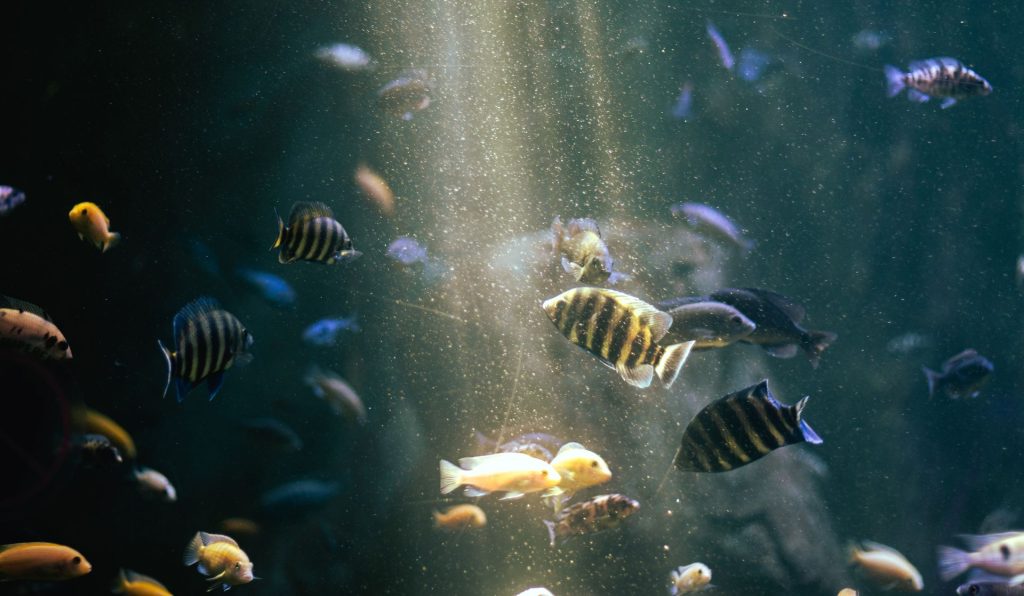
What Aquarium Lighting Does
Fish use environmental light as part of a daily rhythm, but they do not need intense illumination. A consistent light and dark cycle is more useful than leaving the aquarium lit late into the night. Provide darkness so fish can rest and display normal behavior.
Plants use light energy for photosynthesis. Their response depends on intensity at the leaves, duration, spectrum, carbon availability, nutrients, and species. A plant can receive enough hours of light but still struggle if intensity is too low, or receive too much usable light for the available CO2.
Lighting also changes how the aquarium looks. Color rendering, shimmer, fixture spread, and brightness affect human perception without necessarily indicating better plant growth. Separate aesthetic preferences from biological requirements.
Keep the schedule consistent long enough to evaluate it, and avoid changing intensity, duration, fertilizer, and CO2 at the same time. A repeatable setup teaches you more than constant adjustment.
Light Intensity, PAR, and Tank Depth
PAR, photosynthetically active radiation, is commonly used to describe light available for photosynthesis within the relevant wavelength range. A PAR reading at the substrate is more informative for plant intensity than wattage alone, although most beginners will choose fixtures using manufacturer guidance rather than owning a meter.
Water depth and mounting height reduce and redistribute intensity. The same fixture can be strong over a shallow tank and modest at the substrate of a deep aquarium. Hardscape and tall plants create shade, so different parts of one tank can have different light environments.
Adjustable fixtures are helpful because you can begin conservatively and increase output if plant growth shows a genuine need. Starting at full power makes it harder to know whether algae is responding to excessive light.
Spectrum and Color Rendering
Freshwater plants use multiple wavelengths of visible light, and modern white LEDs can support plant growth when intensity is appropriate. Marketing labels that emphasize one color channel do not override the importance of total usable light, distribution, and plant nutrition.
Color temperature measured in kelvin describes the visual appearance of white light, from warmer to cooler tones; it is not a direct plant-growth score. Choose a color you enjoy while ensuring the fixture is intended for aquarium use and has suitable output.
RGB controls can improve how red plants, fish, and hardscape appear. They are useful aesthetic tools but should not tempt you to run excessive intensity. Evaluate plant health and algae response after changing channel settings.
Setting a Practical Photoperiod
A timer is one of the most valuable lighting accessories because it makes every day repeatable. Beginners often discover that a manually controlled light has been running much longer than intended. Consistency makes both plants and algae easier to troubleshoot.
Start with a moderate daily photoperiod appropriate to the planted setup and adjust from observed growth rather than chasing a universal number. If algae appears after increasing duration, return to the last stable schedule and review plant health, nutrients, and carbon.
A split photoperiod with a dark break is sometimes used for viewing convenience, but it is not required for healthy plants. A simple uninterrupted schedule is easier for a beginner to understand and evaluate.
Lighting for Low-Tech and High-Tech Planted Tanks
Low-tech aquariums without injected CO2 generally benefit from moderate light because plant carbon supply is limited. Easy species such as Anubias, Java fern, crypts, and many swords can grow well without turning the fixture to maximum.
High-tech planted aquariums can use stronger light because injected CO2 and deliberate fertilization support faster growth. That extra energy also reduces the margin for inconsistent CO2 or missed nutrients. High light is a commitment to a more tightly managed system.
Do not buy a high-output light because you may want demanding plants someday unless it has excellent dimming. An adjustable fixture can grow easy plants now and provide room for a future increase without forcing the tank to operate at unnecessary intensity.
Lighting Problems and Algae
Algae is not caused by light alone, but excessive light can accelerate a system that is already imbalanced. If slow-growing leaves collect algae while new plant growth is weak, increasing light is rarely the first correction.
Direct sunlight adds uncontrolled light that the aquarium timer cannot manage. Observe the tank at different times of day because seasonal sun angles can suddenly expose one side of the aquarium even when the artificial schedule has not changed.
Change one major lighting variable at a time. Reducing intensity and duration simultaneously may suppress algae, but you will not learn which setting was excessive. Stable adjustments followed by observation produce a more useful long-term setup.
What to Look For in an Aquarium Light
Check physical fit, water resistance, mounting method, control options, and whether replacement power supplies are available. A fixture above open water should be designed for that environment and installed according to its splash and clearance requirements.
For planted tanks, look for dimming and a timer or compatibility with an external timer. Published PAR maps or credible intensity guidance are more useful than marketing claims such as full spectrum without context.
Choose a light that serves the actual aquarium width and depth. Even coverage is often more valuable than a bright hotspot in the center. Once installed, begin at a controlled setting and let new plant growth guide later changes.
Frequently Asked Questions
How Many Hours Should an Aquarium Light Be On?
Use a consistent moderate photoperiod and adjust according to plant growth and algae response. There is no single duration that fits every intensity, plant selection, and CO2 level.
Do Fish Need an Aquarium Light?
Fish benefit from a predictable day-night environment, but they do not require intense plant-level lighting. Room light may provide some cues, while an aquarium fixture improves controlled viewing.
What Does PAR Mean for Aquarium Lights?
PAR refers to photosynthetically active radiation. In planted tanks, PAR at plant level helps describe usable light intensity more meaningfully than fixture wattage alone.
Are Full-Spectrum Lights Better for Aquarium Plants?
A suitable broad-spectrum aquarium LED can grow plants, but the phrase full spectrum alone does not guarantee appropriate intensity or distribution. Plant needs, depth, duration, nutrients, and carbon still matter.
Can Too Much Aquarium Light Cause Algae?
Excessive intensity or duration can contribute to algae problems, especially when plant growth is limited by carbon, nutrients, or poor maintenance. Light should be matched to the whole system.
Do Low-Tech Planted Tanks Need Expensive Lights?
No. Many easy plants grow under moderate, affordable aquarium LEDs. Useful controls and appropriate intensity are more important than buying the most powerful premium fixture.
Should I Leave Aquarium Lights on Overnight?
No. Provide a regular dark period. Continuous lighting is unnecessary for fish and plants and can encourage algae while disrupting normal day-night behavior.