
Care Guide
Vegetable Foods for Fish
Vegetables can be a useful supplement for many freshwater fish, especially species that naturally eat plant material, algae, detritus, or a mixed omnivorous diet. They can add variety and give grazing fish something to work on over time, but they should not automatically replace a complete species-appropriate staple food.
The most important part is matching the food to the fish. A bristlenose pleco, a livebearer, and a predatory fish do not have the same nutritional needs. This guide focuses on safe preparation and practical vegetable options for freshwater fish that are biologically suited to eating plant material.
Which Aquarium Fish Can Eat Vegetables?
Many herbivorous and omnivorous freshwater fish can use plant material as part of a varied diet. Examples can include certain plecos and other grazing catfish, livebearers, goldfish, some cichlids, and other omnivorous species. The amount and type of plant food should still be based on the natural feeding strategy of the species.
Vegetables are not appropriate as a major food source for obligate or strongly carnivorous fish simply because the vegetable is considered “healthy.” Merck’s fish nutrition guidance emphasizes that herbivorous, omnivorous, and carnivorous fish have different nutritional requirements.
Before offering a vegetable, check a reliable care reference for the fish. A species that occasionally nibbles a cucumber does not necessarily have a complete diet when fed mostly vegetables.
Useful Vegetable Foods for Freshwater Fish
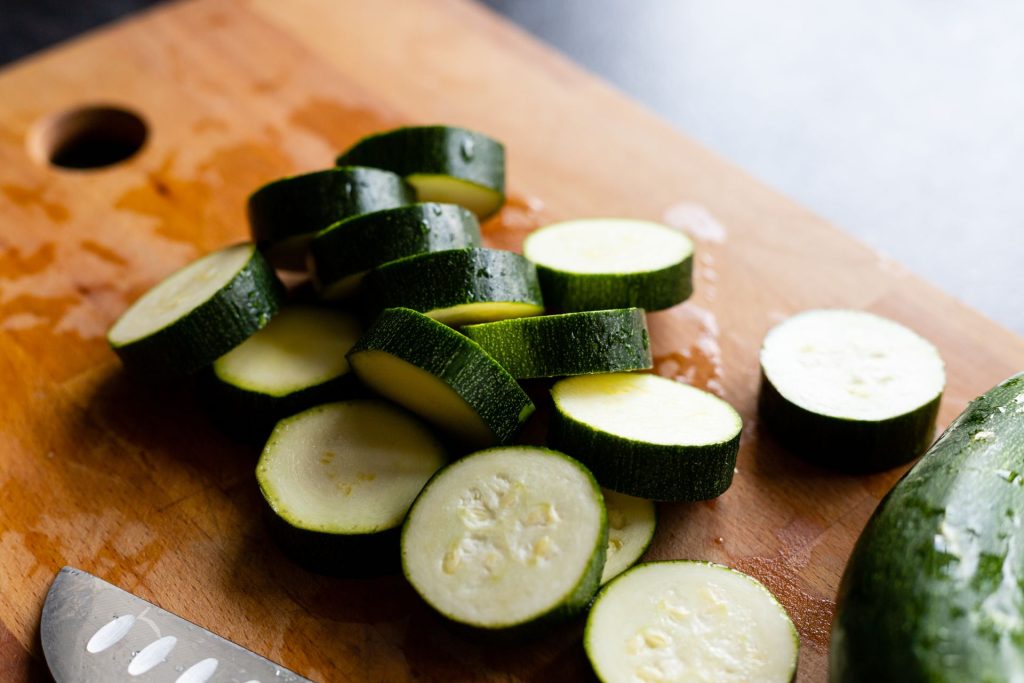
Common options include zucchini, spinach or other suitable leafy greens, shelled peas for species that can handle them, green beans, cucumber, and other plain vegetables appropriate to the fish. Zucchini is particularly familiar in aquarium feeding; Merck Veterinary Manual specifically mentions lightly cooked zucchini as a vegetable addition for many fish.
Different foods have different nutritional value. Cucumber contains a lot of water and can be useful for grazing behavior, but it should not become the only vegetable offered. Dark leafy greens and other vegetables can provide a different nutrient profile.
Do not assume that every plant food eaten by humans belongs in an aquarium. The food should be plain, free of sauces and seasonings, appropriately prepared, and suitable for the species.
How to Prepare Vegetables for Aquarium Fish
Wash fresh produce thoroughly. Remove stickers, packaging residue, sauces, oils, salt, butter, spices, and other seasonings. If you are concerned about surface residues, peeling appropriate vegetables can reduce what enters the aquarium, although it also removes some outer plant tissue.
Firm vegetables can be lightly blanched or cooked to soften them. This makes them easier for many grazing fish to rasp or bite and can help the food sink. The goal is to soften the vegetable, not turn it into mush that immediately disintegrates throughout the aquarium.
Cool cooked food before it goes into the tank. Cut portions according to the size and number of fish so you are not placing half a zucchini into a lightly stocked aquarium.
Making vegetables sink
Some vegetables float. Use an aquarium-safe feeding clip, a clean purpose-made weight, or another method designed for aquarium feeding. Avoid improvised metal objects that may rust or release unknown substances.
How Much Vegetable Should You Feed?
Start with a small portion. The correct amount depends on the fish, group size, vegetable, and how much other food is already being offered. You should be able to observe active feeding without leaving a large amount to break down.
Vegetables can remain available longer than many prepared foods because some grazing fish feed slowly, but they should not be left indefinitely. Remove substantial leftovers before they deteriorate and begin fouling the water.
If you routinely remove most of the vegetable uneaten, reduce the portion. If several species are competing for one small piece, use more than one feeding location rather than simply adding a very large piece.
Vegetables Are a Supplement, Not a Universal Complete Diet
A balanced fish diet includes the nutrients required by that species in appropriate proportions. Merck notes that feeding a variety of appropriate feeds helps meet nutritional requirements and prevent reliance on a single type of food.
For many community fish, a quality prepared food designed for the species remains the nutritional foundation, while vegetables add variety and natural grazing opportunities. Herbivorous species may require a larger proportion of plant-based nutrition than omnivores.
Do not use vegetables as a way to avoid researching the species. “Eats zucchini” is not a complete nutritional profile.
What About Peas?
Peas are frequently recommended online as a universal treatment for fish digestive problems. That advice is too broad. Peas are simply a food, and whether they are appropriate depends on the species and the actual problem.
For fish that normally eat plant material and can physically consume them, plain cooked and shelled peas can be offered as part of a varied diet. They should not be treated as a medicine for every swollen, constipated, floating, or unwell fish.
If a fish has persistent abnormal buoyancy, swelling, appetite loss, or difficulty passing waste, check water quality and seek appropriate fish-health guidance rather than repeatedly feeding peas without a diagnosis.
Vegetable Foods and Ingredients to Avoid
Avoid vegetables prepared with salt, sauces, oil, butter, garlic seasoning mixes, spices, or other human-food additions. Canned vegetables can contain added sodium or other ingredients, so read the label rather than assuming they are equivalent to plain fresh or frozen produce.
Avoid feeding spoiled, moldy, or decomposing produce. Do not use houseplant leaves, garden plants, or wild-collected vegetation unless you know the plant itself is safe for the species and free from pesticides and environmental contaminants.
Human “healthy food” does not automatically translate into safe fish food. Keep the preparation plain and species-appropriate.
Vegetable Feeding and Water Quality
Anything placed in the aquarium eventually contributes to the biological system. Fish eat part of the vegetable and produce waste, while uneaten portions soften and decompose. Large pieces left in warm water can create unnecessary organic load.
Feed conservatively, remove leftovers, and continue normal filtration and partial water changes. If vegetable feeding is followed by cloudy water, debris, or rapidly increasing waste, reduce the amount and how long it remains in the tank.
Do not confuse “natural food” with “pollution-free food.” A slice of zucchini can affect water quality just as excessive prepared food can.
A Simple Vegetable Feeding Routine
- Confirm the fish is an herbivore or omnivore that can use vegetable foods.
- Choose a plain, safe vegetable.
- Wash it and lightly soften it when appropriate.
- Offer a small portion at a normal feeding time.
- Watch which fish actually eat it.
- Remove substantial leftovers before they deteriorate.
- Keep vegetables as part of a varied species-appropriate diet.
This approach gives you useful information quickly. If the fish ignore the food, there is no reason to keep adding larger pieces in the hope that they eventually learn to eat it.
Frequently Asked Questions
What Vegetables Can Aquarium Fish Eat?
For species suited to plant foods, common options can include zucchini, suitable leafy greens, green beans, cucumber, and plain cooked shelled peas. The best choice depends on the fish.
Should Vegetables Be Cooked Before Feeding Fish?
Firm vegetables are often easier to eat when lightly blanched or cooked. Soften them without turning them into mush, cool them fully, and offer them plain.
How Long Can Vegetables Stay in a Fish Tank?
Remove substantial leftovers before they begin deteriorating. The exact time depends on the vegetable, temperature, and feeding behavior, so watch the food rather than relying on one universal number.
Can All Freshwater Fish Eat Vegetables?
No. Herbivorous and omnivorous fish are more likely to benefit from plant material, while carnivorous species have different nutritional requirements.
Are Peas a Cure for Constipation or Swim Bladder Problems?
No. Peas are food, not a universal medication. They may be appropriate for some plant-eating or omnivorous fish, but persistent swelling or buoyancy problems need proper troubleshooting.
Can Vegetables Replace Fish Food?
Not for most community fish. Use vegetables as part of a varied, species-appropriate diet unless a qualified nutritional plan for that particular species says otherwise.
Conclusion
Vegetable foods can be a useful addition to freshwater fish diets when the species is naturally suited to eating plant material. Keep preparation simple: use plain food, wash it, soften firm vegetables when useful, feed a small amount, and remove leftovers before they deteriorate.
Most importantly, do not confuse variety with nutritional completeness. A vegetable slice can supplement a balanced diet and encourage natural grazing, but the overall feeding plan still needs to match whether the fish is herbivorous, omnivorous, or carnivorous.
Sources
Providing a Home for Fish — Merck Veterinary Manual: Provides veterinary guidance on aquarium temperature, water quality, filtration, routine care, and feeding. It supports the general freshwater husbandry and vacation-preparation recommendations in this guide.
Nutrition in Fish — Merck Veterinary Manual: Explains that fish have species-specific feeding strategies and that herbivorous, omnivorous, and carnivorous fish require different nutrient profiles. It supports using vegetables as a supplement only for fish whose diets suit plant material.
Nutritional Diseases of Fish — Merck Veterinary Manual: Emphasizes dietary variety and feeding foods in forms appropriate to the species. It supports the guide’s recommendation not to replace a balanced staple diet with one vegetable.