
Explainer
Dutch Style Aquarium
A Dutch style aquarium is a garden of plants with little or no visible rock or wood. Groups of contrasting stem plants are arranged in terraces and "streets" that lead the eye into the tank. It needs strong light, injected CO2, regular fertilising and weekly trimming, so it suits keepers who enjoy frequent plant care.
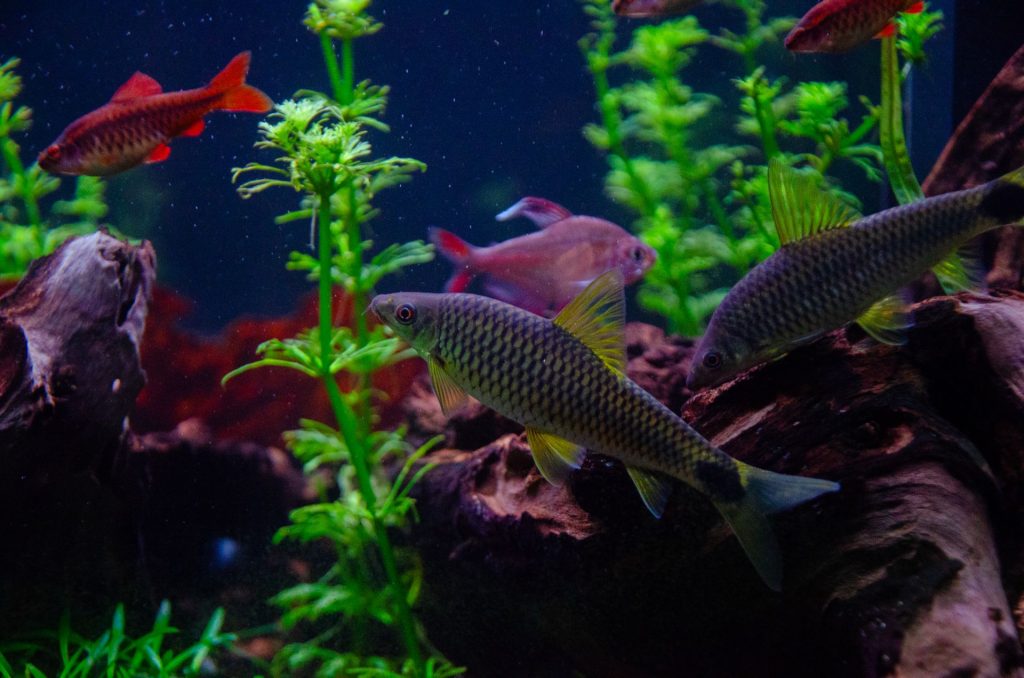
What Is a Dutch Style Aquarium?
The Dutch style developed in the Netherlands during the 20th century. Its focus is the plants themselves: hardscape is hidden or left out, and the layout is built from many groups of different plants, each with its own colour, leaf shape and height.
It differs from nature-style aquascapes, which imitate landscapes and use wood and stone as the main structure.
Core Layout Principles
Plants are grouped and arranged in terraces that rise from front to back, so each group can be seen. “Streets” are rows of low plants that run diagonally from the front towards the back, creating depth.
Leave a little open foreground, avoid symmetrical layouts, and place focal plants, often a red stem plant, off-centre. Traditional Dutch aquascapes avoid repeating the same plant in more than one group.
Choosing Plants for a Dutch Aquascape
Stem plants form the backbone: Rotala, Ludwigia, Limnophila, Hygrophila and Alternanthera offer a wide range of colours and leaf shapes. Foreground and midground groups often use Staurogyne, Cryptocoryne, Echinodorus and low carpeting plants.
A common guideline is about one plant species for every 10 cm of front glass. Choose plants that grow at manageable rates and respond well to trimming.
Using Color, Texture, and Contrast
Contrast between neighbouring groups is what makes the style work. Place fine-leaved plants beside broad-leaved ones, light green beside dark green, and red or orange accents against green backgrounds.
Keep each group’s edges clear, so the eye reads distinct shapes rather than a mixed tangle.
Lighting, CO2, and Fertilization
Dense, fast-growing stem plants need strong lighting, injected CO2 and a balanced fertiliser routine, often both liquid fertiliser and a nutrient-rich substrate.
The three must stay in balance. Strong light without enough CO2 and nutrients quickly leads to algae, so increase one only when the others can keep up.
Trimming and Plant Maintenance
Most Dutch tanks need trimming every week or two. Cut stems back to keep each group at its intended height and replant healthy tops to keep groups dense.
Remove stray stems that creep into neighbouring groups, and take out old, leggy stems at the base so the group does not thin at the bottom.
Planning a Sustainable Dutch Aquarium
Plan the layout around how fast each plant grows and how often you can trim. A design full of fast growers may look good for a week and then need constant work.
Choose fish that will not dig or eat plants, such as small schooling tetras and rasboras, and leave access for trimming and cleaning the glass.
Frequently Asked Questions
What Makes an Aquarium Dutch Style?
A layout built almost entirely from plants, arranged in distinct groups with contrasting colour, texture and height. Rock and wood are hidden or left out.
Does a Dutch Aquarium Use Driftwood or Rocks?
Usually not visibly. Some keepers use hardscape hidden under plants to support terraces, but the plants are the main feature.
Does Dutch Aquascaping Require CO2?
In practice, yes. The dense stem plants used in Dutch aquascapes need injected CO2 with strong light to grow well and keep their colour.
How Many Plant Species Should a Dutch Tank Have?
A common guideline is about one species for every 10 cm of front glass, so a 90 cm tank might hold around nine plant groups.
Why Is Trimming Important in Dutch Aquascaping?
Groups lose their shape and spread into each other quickly. Regular trimming keeps each group at its intended height and keeps the contrast that defines the style.
Can Beginners Create a Dutch Aquarium?
It is possible but demanding. Beginners usually have more success after learning to balance light, CO2 and fertiliser in a simpler planted tank first.
What Fish Work in a Dutch Style Aquarium?
Small, peaceful schooling fish such as rummy-nose, cardinal or ember tetras and harlequin rasboras. Avoid diggers and plant-eaters.