
July 23, 2026
RO Water vs Tap Water
Tap water is the simplest water source for many freshwater aquariums, while reverse-osmosis water offers much greater control over mineral content. Neither is automatically healthier. The better choice depends on what comes from your tap, what your livestock requires, and whether you are prepared to mix and test water consistently.
For a typical community aquarium, stable tap water that already matches the fish can be easier than rebuilding water from RO. For soft-water fish, sensitive Caridina shrimp, or aquariums supplied by unusually hard or inconsistent tap water, RO can solve real chemistry problems. The comparison becomes useful only after you test the water you actually have.
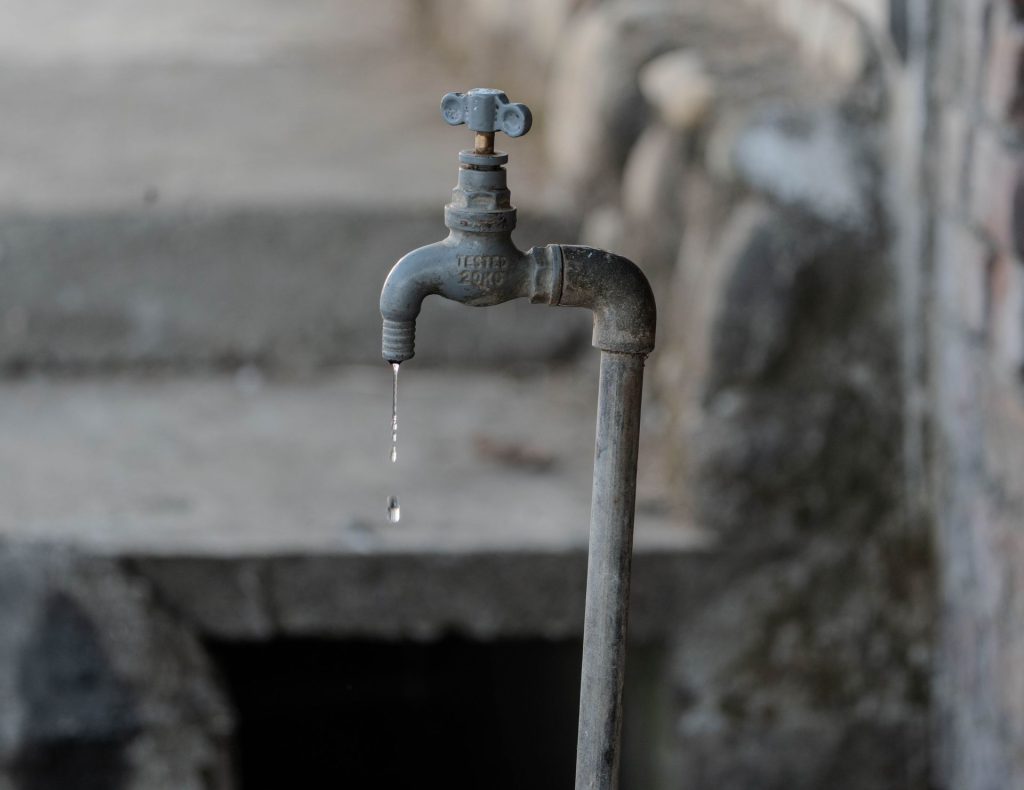
RO Water vs Tap Water: The Main Difference
Tap water contains dissolved minerals and treatment chemicals determined by the local supply. Its GH, KH, pH, conductivity, nitrate, sodium, and other constituents vary by location and sometimes by season. Aquarium keepers normally condition it to neutralize chlorine or chloramine before use.
Reverse osmosis forces water through a membrane that rejects a large proportion of dissolved ions. The result is low-mineral water that gives the aquarist a relatively blank starting point. That control is useful, but the removed minerals often need to be added back before the water is suitable for livestock.
Therefore, the real comparison is not untreated tap versus pure RO. It is properly conditioned tap water versus correctly prepared RO water.
Advantages and Limits of Tap Water
Tap water is convenient, inexpensive, and available in large volumes. If its hardness and alkalinity suit the aquarium, routine water changes are straightforward: match temperature reasonably, add the correct conditioner, and use a consistent process.
The limitation is that the aquarist does not control the source composition. Very hard water can be difficult for soft-water species, while very soft water may lack the buffering desired for other systems. Municipal supplies can also change sources or treatment practices.
Test GH, KH, pH, and nitrate at minimum when evaluating a new source. A water supplier’s report provides additional context, but the aquarium tests show what arrives at your tap on the day you use it.
Advantages and Limits of RO Water
RO lets you build water toward a target rather than trying to remove selected minerals from hard tap water. It is especially useful for shrimp systems where a specific GH/KH strategy is important, and for aquariums where source water is much harder than the intended conditions.
Pure RO has very little buffering and mineral content, so it is not a complete water recipe for most freshwater aquariums. It must usually be remineralized or blended with tap water. That adds testing, storage containers, replacement filters, wastewater, and preparation time.
RO quality also depends on membrane condition, pressure, temperature, and prefilter maintenance. A neglected RO unit does not guarantee consistent output.
GH, KH, pH and Why They Matter
GH primarily reflects calcium and magnesium hardness. KH represents carbonate and bicarbonate buffering in common aquarium practice. These parameters influence osmoregulation, shell and exoskeleton mineral availability, and how resistant the water is to rapid pH change.
RO reduces these dissolved minerals dramatically. Remineralizers are designed to add selected minerals back; some raise GH only, while others raise both GH and KH. Choose the formulation for the livestock and substrate system rather than simply aiming for a TDS number.
Tap water may already provide an excellent mineral balance. If it does, replacing it with RO creates work without necessarily improving animal welfare.
Mixing RO and Tap Water
Blending is a practical middle ground when tap water is suitable except for excessive hardness. If RO contributes almost no hardness, a 50:50 mix roughly halves tap-water GH and KH. A one-part-tap to three-parts-RO blend reduces them further.
Use the calculation only as a starting point. Test the finished mixture because source water and hobby test kits are not perfectly constant. Treat the tap-water portion for chlorine or chloramine.
Once a ratio works, record actual volumes. A repeatable recipe such as ten liters of tap plus twenty liters of RO is easier to reproduce than adjusting the aquarium after every water change.
Which Water Is Better for Fish, Shrimp and Plants?
Many common community fish adapt well to stable conditioned tap water when hardness and pH fall within an appropriate range. Some soft-water species benefit from RO blending when local tap water is extremely mineral-rich.
Neocaridina shrimp often do well in moderately mineralized water and may be simple to keep in suitable tap water. Soft-water Caridina systems commonly use RO remineralized to a controlled GH, often with active substrate and low KH. The exact recipe should follow the species rather than the word ‘shrimp.’
Plants need mineral nutrients, but RO itself contains very little. A planted aquarium using RO still needs appropriate remineralization and fertilization. Low TDS is not a substitute for plant nutrition.
Cost, Convenience and Long-Term Maintenance
Tap water wins on convenience when it is already appropriate. RO requires an initial unit or purchased water, storage space, filter replacements, and time to produce and prepare each batch.
RO becomes worthwhile when it removes an ongoing chemistry obstacle. It can also be useful for evaporation top-offs because evaporated water leaves most minerals behind; low-mineral top-off water prevents repeated mineral addition.
Choose the simplest method that reliably creates suitable, stable water. Complexity is justified when it solves a measured problem, not because RO sounds more advanced.
Frequently Asked Questions
Is RO Water Better Than Tap Water for Aquariums?
Not automatically. RO offers control, while suitable conditioned tap water is simpler. The better choice depends on source-water chemistry and livestock requirements.
Can Fish Live in Pure RO Water?
Pure RO is usually too low in minerals and buffering for routine use with freshwater livestock. Prepare it with an appropriate remineralizer or tap-water blend.
Do I Still Need Conditioner When Mixing RO With Tap Water?
Yes. The tap-water portion may contain chlorine or chloramine and should be treated appropriately.
Can I Use RO Water for Evaporation Top-Offs?
Yes, and it is often useful because evaporation leaves most dissolved minerals behind. Top-off water replaces volume; it is not the same as a water change.
Is RO Water Necessary for Caridina Shrimp?
It is commonly used because it allows a controlled mineral recipe, but the correct approach depends on the Caridina species, substrate, and source water.
Does RO Water Lower pH?
RO removes much of the buffering material, but pH in very low-mineral water is not a useful standalone target. Final pH depends on remineralization, substrate, dissolved gases, and the aquarium system.
Can I Switch From Tap to RO Immediately?
Avoid abrupt chemistry changes. Prepare replacement water to appropriate parameters and transition through normal water changes unless a specific emergency requires another approach.