
How-To Guide
Hardscape Design Basics
Hardscape is the stone and wood that give an aquascape its structure. Use aquarium-safe materials of one or two types, build one main focal point off-centre, slope the substrate upward towards the back for depth, and make every piece stable before adding water, plants and fish.
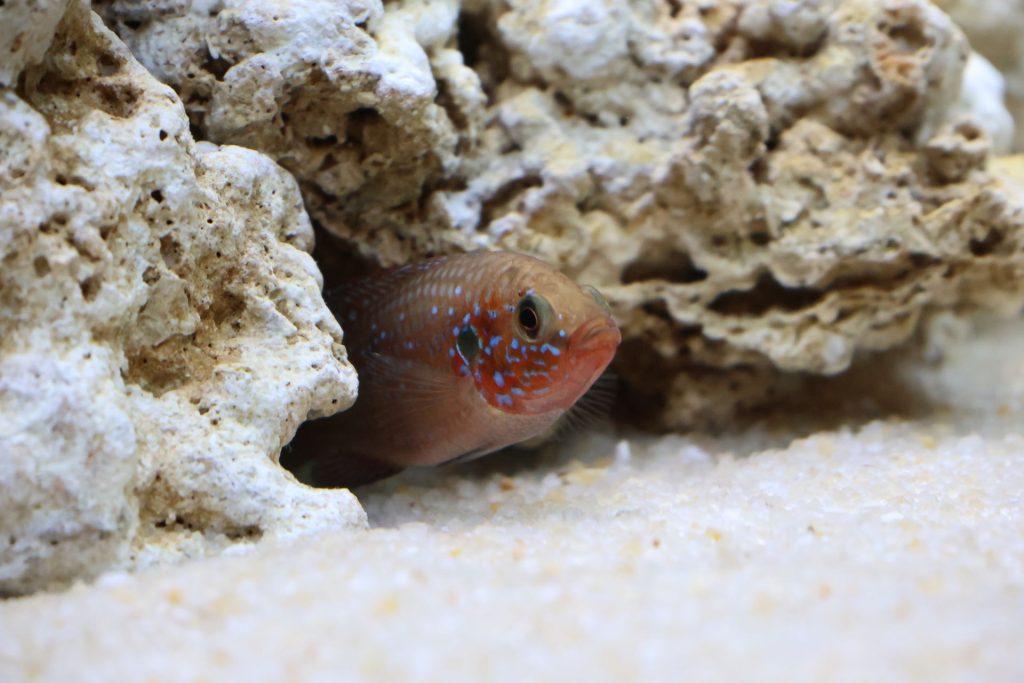
What Hardscape Does in an Aquascape
Hardscape is the nonliving structural material in an aquascape, mainly stone and wood. It establishes lines, height, negative space, focal areas, and planting boundaries before plants mature. A strong hardscape still looks intentional when imagined without plants.
Choosing Aquarium-Safe Stone and Wood
Use materials known to be aquarium-safe and understand whether they alter water chemistry. Carbonate-rich rock can raise hardness and buffering, while some woods release tannins and initially float. Avoid unknown industrial, painted, metallic, crumbly, or contaminated materials.
Building a Focal Point and Visual Flow
Place the dominant stone or wood mass away from exact center unless symmetry is intentional. Angle supporting pieces so their lines relate to the main direction. Repeating similar textures makes separate pieces read as one landscape rather than a collection of decorations.
Creating Depth and Perspective
Slope substrate upward toward the back, overlap hardscape, vary apparent size, and preserve foreground negative space to create depth. Larger texture in front and smaller details farther back can strengthen perspective. Secure steep slopes so they do not flatten during maintenance.
Making Hardscape Stable and Safe
Large rocks should rest securely and should not be balanced on loose substrate where digging fish can undermine them. Protect glass from point loads, test each piece for movement, and leave enough clearance for cleaning. Wood branches should not create traps for fish or block lids and equipment.
Planning Hardscape Around Plants
Plan for mature plant size. Leave attachment areas for epiphytes, planting pockets for rooted species, and enough light around foreground plants. Hardscape that looks perfect on day one can disappear after growth, so decide which rock faces and branches must remain visible.
Common Beginner Hardscape Mistakes
Common mistakes include using too many unrelated materials, placing every stone separately, centering all focal points, filling every gap, ignoring maintenance access, and making structures unstable. Build, photograph, and revise the dry layout before filling the aquarium; moving heavy stone later is much harder.
Frequently Asked Questions
How Many Types of Rock Should I Use?
Usually one, or one rock with one type of wood. Mixing many materials makes a layout look less natural.
Where Should the Main Focal Point Go?
Off-centre, often about a third of the way across the tank, so the layout feels balanced but not symmetrical.
Can Hardscape Change Water Chemistry?
Yes. Limestone, coral and some Seiryu-type stones can raise hardness and pH, while wood can soften and tint the water.
How Do I Stop Rocks From Falling?
Place heavy rocks on the glass or a solid base before adding substrate, and never balance them on loose sand that fish can dig away.