
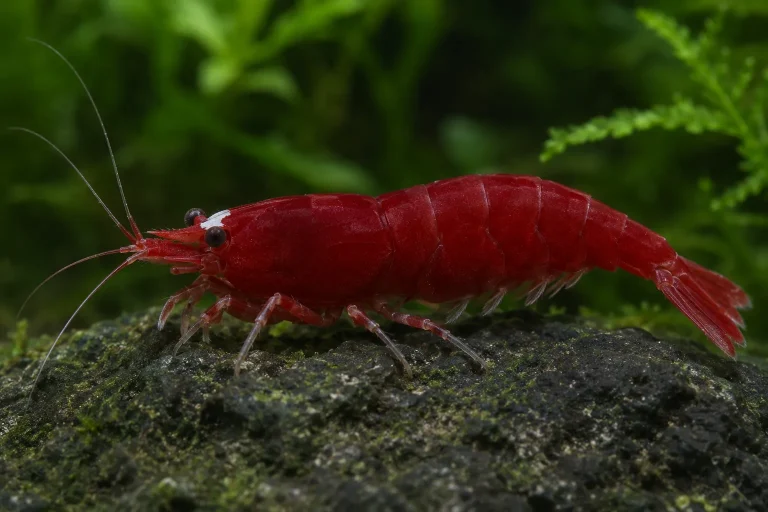
Red King Kong Caridina Shrimp
Caridina spp.
- Care level
- Intermediate
- Adult size
- 2–3 cm
- Minimum tank
- 20 litres
- Temperature
- 20–23 °C
Species profile
Caridina spp.
Common names: Red Galaxy Caridina Shrimp, Red Galaxy Shrimp, Red Galaxy Fishbone Shrimp
Up to 3 cm
Typical adult length 2–3 cm.
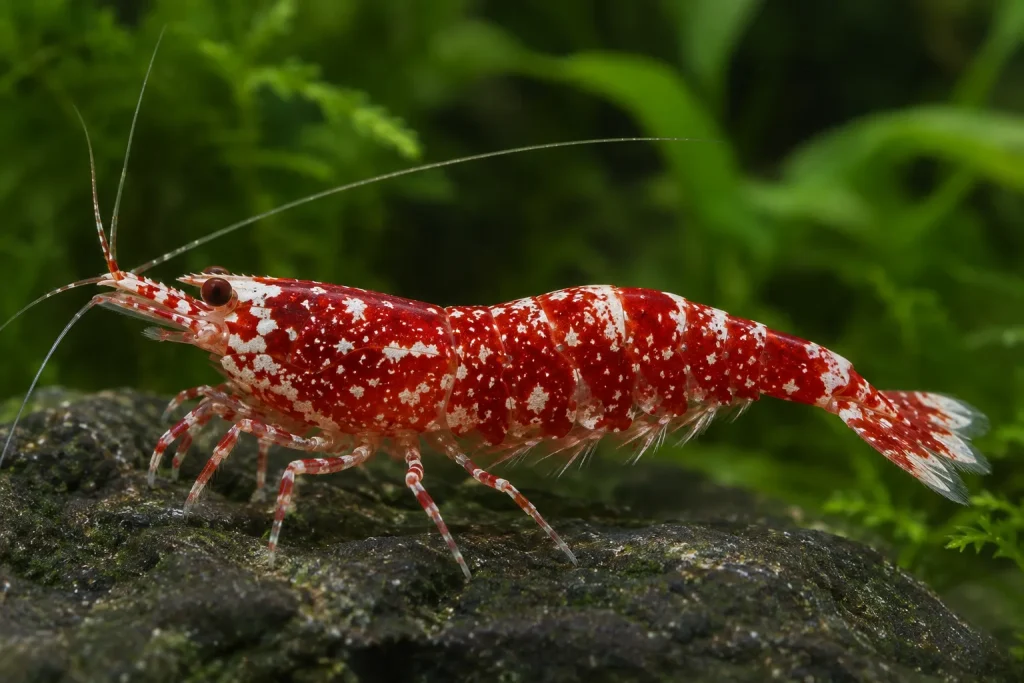
A selectively bred red Galaxy Caridina line displaying dense white spotting and complex patterning.
Red base colour with white galaxy-like spotting, head markings, and variable body pattern coverage.
Red Galaxy is an aquarium-trade pattern line rather than a recognized species. Stocks may combine Taiwan Bee, Pinto, and Tiger ancestry, so a single species assignment is not reliable.
Adult females are generally larger and deeper-bodied than males. Colour and pattern intensity are not reliable sex indicators.
Use a mature, cycled aquarium with active substrate or another stable soft-water setup, gentle filtration, abundant biofilm, mosses, leaf litter, and protected filter intakes.
Peaceful dwarf shrimp that graze biofilm, algae, detritus, leaf litter, and prepared foods.
Best maintained in a group with other compatible Caridina lines sharing the same water requirements.
Not normally territorial.
Peaceful community fish may still eat shrimplets. Keep breeding colonies in shrimp-focused aquariums. Different compatible Caridina lines may interbreed and alter colour or pattern outcomes.
Some links may earn us a commission on qualifying purchases, at no extra cost to you. Check suitability, price and availability with the seller. How affiliate links work
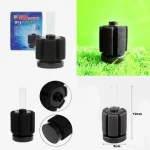 Xinyou XY-2835 small sponge filter
A small air-driven filtration option for a lightly stocked dwarf-shrimp setup. The seller lists a sponge approximately 5.5 cm across and 7 cm high.
An air pump and airline are required separately. Choose the complete filter and pump combination for your actual tank and stocking; this small sponge is not presented as the sole filter for a large aquarium.
Use remineralized reverse-osmosis water and an active substrate. Keep hardness and dissolved solids stable, and avoid abrupt water changes.
Omnivorous biofilm grazer. Provide mature natural grazing surfaces and small portions of complete shrimp food, leaf litter, algae-based food, and occasional protein-rich food.
Avoid overfeeding. A mature aquarium with continuous biofilm is more important than heavy supplemental feeding.
Some links may earn us a commission on qualifying purchases, at no extra cost to you. Check suitability, price and availability with the seller. How affiliate links work
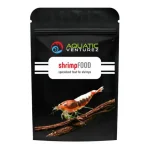 Aquatic Venturez dwarf-shrimp food – 10 g
A specialist prepared-food option for the dwarf-shrimp diet described above. This listing is a 10 g pack.
Use small portions alongside the mature grazing surfaces and other foods in the care guide. Remove leftovers and adjust the amount to the number of shrimp feeding. This is not a food recommendation for filter-feeding shrimp.
Direct-developing freshwater shrimp. Females carry eggs beneath the abdomen and release miniature shrimplets. Line purity and pattern consistency depend on selecting breeders and preventing unwanted crosses.
You can write a note about what worked for you, or send a photograph. We check everything before it appears here.
Caridina spp.
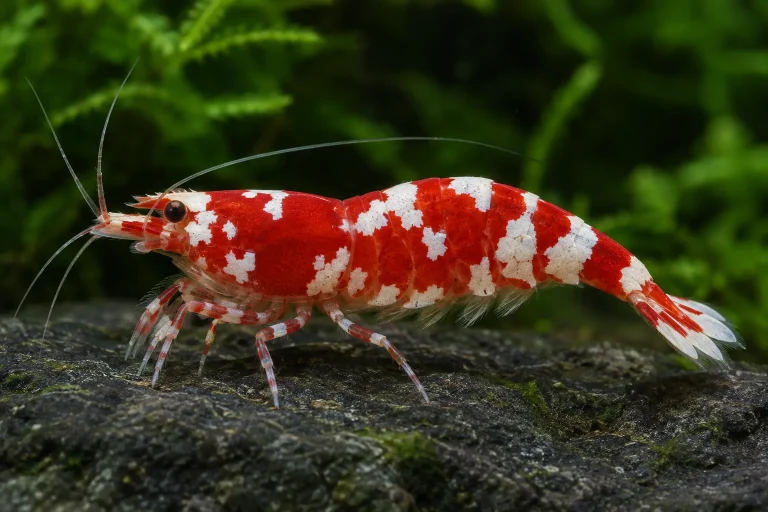
Caridina spp.
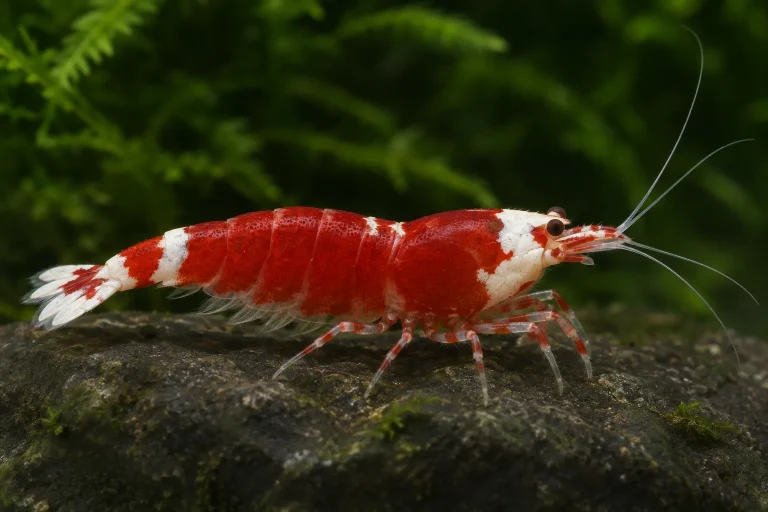
Caridina spp.
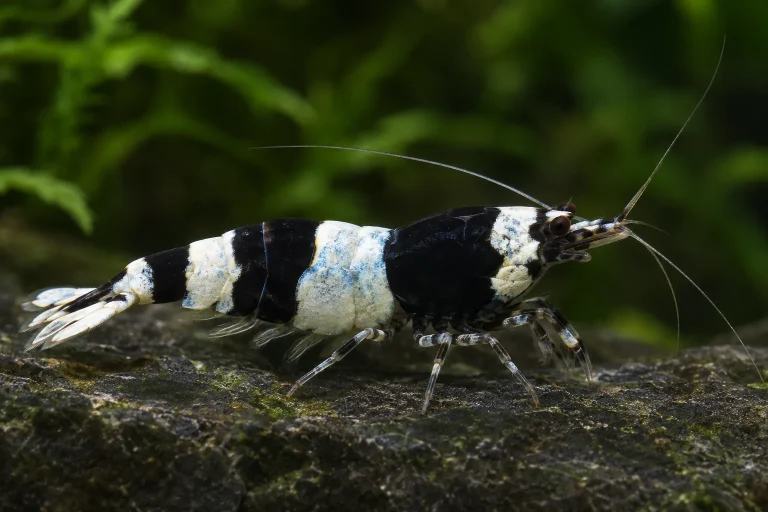
Caridina logemanni