
How-To Guide
Best Aquarium Substrates Explained
Aquarium substrate is the material covering the bottom of the tank. It shapes the appearance of the aquarium, gives plants a place to root, influences how debris collects, and can affect the behavior of bottom-dwelling fish. Some substrates are chemically inert, while active aquasoils can change pH and hardness.
There is no single best substrate for every freshwater aquarium. Smooth sand can be ideal for fish that sift or rest on the bottom, gravel can be simple and durable, active soil supports planted aquascapes, and a bare-bottom tank can make cleaning easy in quarantine or breeding systems. The right choice begins with livestock and plants, then considers maintenance and water chemistry.
Aquarium Sand: Benefits and Limitations
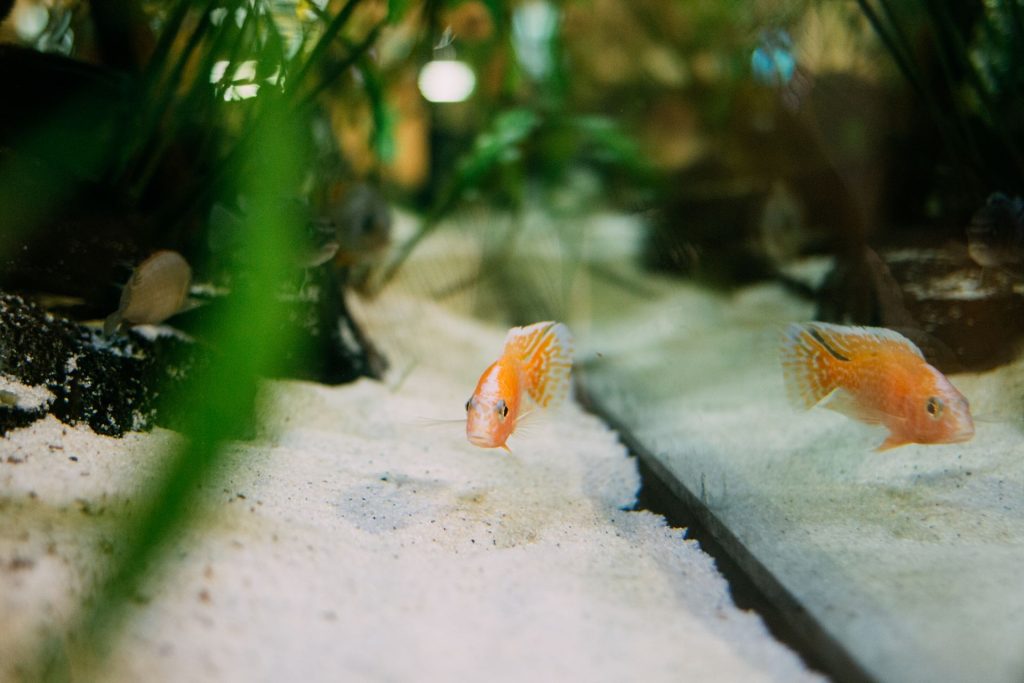
Sand creates a smooth, natural-looking bottom and is often suitable for Corydoras and other species that forage through fine substrate. Choose aquarium-safe material without sharp particles and confirm that it does not alter water chemistry unless that effect is desired.
Debris tends to remain on or near the sand surface rather than falling deeply between large particles. During maintenance, hover a siphon just above the surface so waste lifts while most sand stays in place. Heavy stirring is unnecessary in planted areas.
Very deep fine beds can compact, especially where roots and burrowing animals do not disturb them. Use a practical depth for the aquascape and avoid creating enormous decorative mounds without understanding how they will be maintained.
The first-day appearance matters less than whether roots stay healthy, animals can forage safely, debris can be removed, and the material remains compatible with the intended water chemistry.
Aquarium Gravel: Benefits and Limitations
Gravel is durable, easy to obtain, and available in many natural sizes and colors. Rounded small gravel suits many community tanks and provides spaces for plant roots. Larger gaps, however, allow food and waste to fall below the visible surface.
Gravel vacuuming works by lifting debris from between particles while heavier gravel falls back. You do not need to deep-clean every square centimeter during every water change, especially around established plant roots.
Check particle size for the livestock. Fish that dig, sift, or have delicate barbels should not be forced onto sharp coarse material. Decorative glass pieces and jagged stone are not equivalent to smooth aquarium gravel.
Active Aquasoil for Planted Tanks
Active aquasoil is manufactured for planted aquariums and commonly provides nutrients while lowering pH and KH. It is useful for demanding rooted plants and soft-water shrimp setups when its chemistry matches the goal.
Fresh soil can release nutrients or ammonia, depending on the product. Cycling and startup water changes should follow manufacturer guidance. Do not add sensitive livestock simply because the tank looks clear.
Granules soften with age and should be siphoned gently. As nutrient and buffering capacity decline, plants can be supplemented with root tabs rather than automatically replacing the entire substrate.
Bare-Bottom and Specialty Substrates
Bare-bottom tanks are easy to inspect and siphon, making them useful for quarantine, some breeding systems, and temporary hospital tanks. They provide little rooting support and can look stark, but maintenance efficiency may be more important in those contexts.
Crushed coral and aragonite-based materials can raise hardness and alkalinity and are used when that chemistry is intentional. They are not neutral decorative gravel. Test water and understand the livestock requirements before using a substrate specifically to alter chemistry.
Specialty substrates marketed for shrimp or plants can have active buffering properties similar to aquasoil. Read the chemistry claims rather than choosing by color or the animal pictured on the bag.
Matching Substrate to Aquarium Plants
Rooted rosette plants need enough depth to anchor their roots. In inert sand or gravel, root tabs can supply concentrated nutrition. Stem plants can grow in many substrates as long as they remain anchored and receive adequate water-column nutrients.
Rhizome plants such as Anubias and Java fern do not need nutrient soil because their rhizomes should remain above the substrate and are often attached to wood or rock. Buying expensive aquasoil specifically for them provides little direct benefit.
Carpeting plants are easier to establish in a fine, plantable substrate that holds small roots. Their success still depends on light, carbon, nutrients, and species; substrate alone cannot turn a demanding carpet into a low-tech plant.
Substrate Depth, Slopes, and Hardscape
Use enough depth for planting without creating unnecessarily deep zones that are difficult to maintain. A gentle rise toward the back makes an aquarium appear deeper and provides additional root volume for background plants.
Large rocks and wood should be stable. Heavy hardscape placed on loose substrate can shift when fish dig or when the substrate settles. Build secure foundations and make sure nothing can fall against the aquarium glass.
Substrate barriers can help maintain steep aquascaping slopes, but plants and maintenance will gradually move particles. Design a layout you can restore without constantly rebuilding the tank.
How to Choose the Right Substrate
Start with animal behavior. Bottom sifters benefit from smooth fine material; burrowing species need safe particles; shrimp graze across almost any mature surface but may require specific water chemistry. Then consider plant rooting needs.
Next decide whether you want the substrate to change water chemistry. If the answer is no, choose an inert product and manage minerals through source water and deliberate additives. If the answer is yes, understand how the active material changes pH, KH, or hardness over time.
Finally consider cleaning and longevity. Sand, gravel, soil, and bare-bottom systems can all support healthy aquariums when matched to the inhabitants. The best substrate is the one whose behavior remains compatible with your routine after the initial aquascape excitement fades.
Frequently Asked Questions
Is Sand or Gravel Better for a Freshwater Aquarium?
Both can work. Sand suits many bottom-sifting fish and keeps debris near the surface, while gravel is durable and easy to vacuum. Choose according to livestock, plants, and maintenance preferences.
Do Aquarium Plants Need Aquasoil?
No. Many plants grow in inert sand or gravel with root tabs and water-column fertilizer. Aquasoil is useful when its nutrient and buffering properties match the setup.
How Deep Should Aquarium Substrate Be?
Depth depends on planting and layout. Use enough to anchor roots and create the intended slope without building unnecessarily deep areas that are difficult to maintain.
Is Colored Aquarium Gravel Safe?
Use products manufactured for aquarium use with durable coatings and smooth particles. Avoid unknown decorative materials that may leach substances or create sharp edges.
Do I Need to Vacuum Planted Substrate?
Remove visible debris, but avoid aggressively deep-vacuuming established root zones. Maintenance method depends on substrate type and planting density.
Can Substrate Change Aquarium pH?
Yes. Active aquasoil often lowers pH and KH, while carbonate-rich substrates can raise hardness and alkalinity. Inert sand and gravel are chosen when minimal chemical effect is desired.
Can I Change Substrate in an Established Aquarium?
Yes, but a complete change can disturb roots, release debris, and remove colonized surfaces. Plan the process, preserve mature filter media, and monitor water quality afterward.