
How-To Guide
Aquarium Heater Placement Guide
Where you place an aquarium heater matters more than it might seem.
A heater can be powerful enough for your aquarium but still struggle to create an even temperature if it sits in an area with very little water movement. One part of the tank may feel warmer while water farther away receives less circulation.
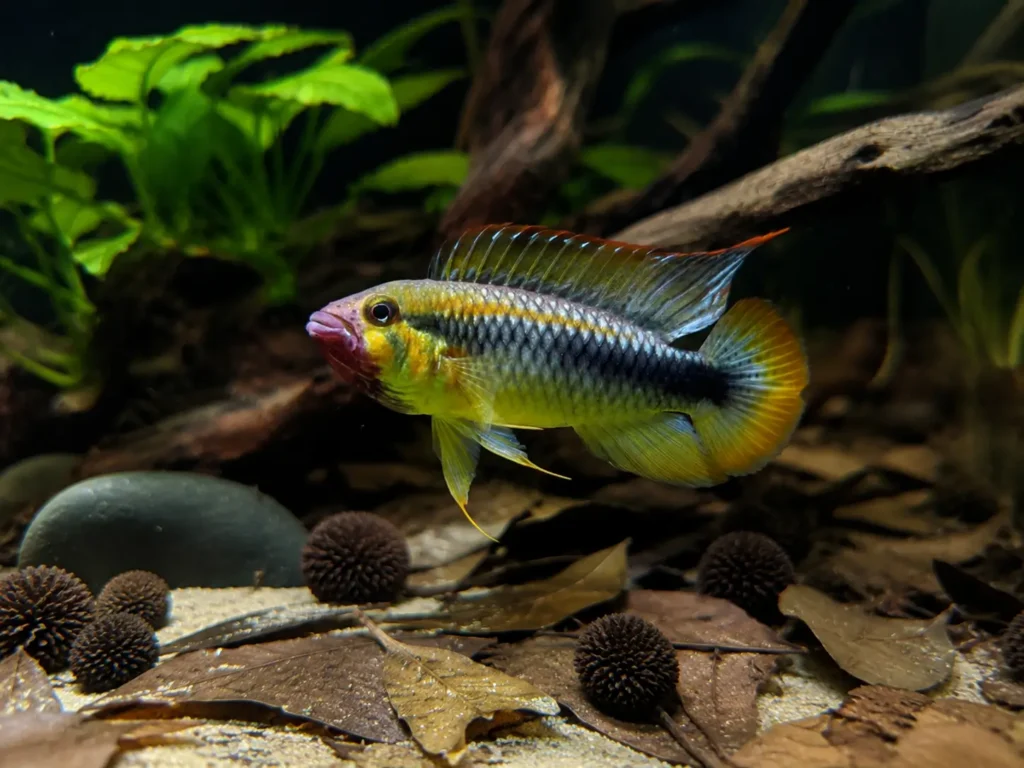
Fortunately, aquarium heater placement does not need to be complicated. In many freshwater setups, a good location is close to the flow created by the filter, where moving water can carry heat throughout the aquarium.
There is one important rule before you start: always follow the instructions supplied with your specific heater. Aquarium heaters are not all designed in the same way. Some are fully submersible and can operate horizontally or vertically, while others have specific minimum water levels or positioning requirements.
This aquarium heater placement guide explains where to put a heater, whether horizontal or vertical placement is better, where to put the thermometer, and how to avoid common installation mistakes.
Where Should You Place an Aquarium Heater?
For many common submersible aquarium heaters, one of the best locations is near an area with good water circulation.
That often means placing the heater near the filter inlet or outlet, depending on the aquarium layout and the heater manufacturer’s instructions.
The reason is simple: a heater warms the water immediately around it. Water movement then helps distribute that heat throughout the rest of the aquarium.
Aqueon’s freshwater aquarium setup guidance, for example, recommends positioning its appropriate heaters near a filter inlet, filter outflow, or air diffuser to encourage even heat distribution.
A useful beginner setup may therefore look like this:
- Heater positioned in an area with steady water movement
- Enough open space around the heater for water to circulate
- Filter providing circulation across the aquarium
- Thermometer positioned away from the heater
Do not simply hide the heater in the most enclosed corner of the aquarium without considering circulation.
Should the Aquarium Heater Go Near the Filter?
For many aquarium setups, placing a suitable heater near the filter is a practical choice.
A filter continually moves aquarium water. Positioning the heater near that moving water can help distribute warmed water rather than allowing heat to remain concentrated around one area.
Exactly where you place it depends on your filter.
With a hang-on-back filter, you may be able to position the heater near the area where filtered water returns to the aquarium.
With an internal filter, the heater can often be positioned where the filter creates steady circulation.
Canister-filter setups may create broader circulation depending on the position of the intake and return.
You do not need the heater physically touching the filter. You simply want to take advantage of the water movement it creates while maintaining the clearance required by both pieces of equipment.
Heater Near the Filter Inlet or Outlet?
Both locations can work with heaters designed for that placement.
Near the filter outlet, water moving back into the aquarium can help carry heat away from the heater and through the tank.
Near the intake, water passing the heater can be drawn toward the filtration system before being returned to the aquarium.
The better choice depends on the flow pattern in your particular tank.
Instead of concentrating on whether the heater is exactly beside the intake or outlet, concentrate on the result: good water movement around the heater and reasonably even temperatures throughout the aquarium.
A thermometer placed away from the heater can help you check whether that is happening.
Horizontal vs. Vertical Aquarium Heater Placement
If your heater is designed to operate in either orientation, you may be able to install it horizontally, vertically, or at an angle.
However, you should never assume that every aquarium heater can be positioned in every direction.
Check the manufacturer’s instructions first.
Horizontal Placement
A fully submersible heater that permits horizontal installation can often be positioned lower in the aquarium.
Horizontal placement may expose more of the heater to moving water across a wider section of the tank. It can also make the heater easier to conceal behind plants or hardscape.
Aqueon’s general setup guidance specifically notes that compatible submersible heaters can be installed horizontally for efficient heat distribution.
Vertical Placement
Vertical placement is simple, familiar, and appropriate for many aquarium heaters.
It can also make the heater’s controls easier to reach if you use an adjustable model.
When installing a heater vertically, pay close attention to minimum and maximum water-level markings. Evaporation can lower the aquarium water level over time.
Again, the correct orientation is ultimately the one permitted by the instructions for your particular heater.
How Deep Should an Aquarium Heater Be?
This depends entirely on the heater’s design.
Some aquarium heaters are fully submersible. Others specify a minimum water level, maximum immersion depth, or another installation requirement.
Look for markings on the heater itself and read its manual before installation.
Do not assume that a heater is fully submersible simply because the heating element is intended to sit underwater.
Water level also matters after installation. Evaporation gradually lowers the level in many aquariums, so a heater that was correctly positioned when the tank was filled could eventually sit too high if water is allowed to evaporate significantly.
Checking water level should therefore be part of routine aquarium maintenance.
Where Should You Avoid Placing an Aquarium Heater?
Avoid placing the heater where water cannot circulate properly around it.
Dense decorations pressed directly against the heater can interfere with circulation and may conflict with the manufacturer’s required clearance.
Avoid locations where:
- The heater is buried in substrate unless specifically designed for that use
- Rocks or decorations press against it
- Dense hardscape prevents water circulation
- The water level may fall below the heater’s permitted level
- The heater can easily be knocked loose
- The electrical cord is pulled tightly
Aqueon recommends keeping decorations away from its heaters so water can circulate freely around them.
Also consider accessibility. Hiding a heater so completely that you cannot inspect it makes routine checks more difficult.
Where Should You Place the Aquarium Thermometer?
A thermometer should help you measure the aquarium’s water temperature rather than simply tell you how warm the water is beside the heater.
For that reason, placing the thermometer away from the heater is useful.
One practical approach is to put the heater toward one side of the aquarium and the thermometer toward the opposite side.
If the thermometer on the far side consistently shows the desired temperature, that gives you useful evidence that warmed water is circulating throughout the tank.
Do not rely entirely on the temperature number printed on an adjustable heater’s dial. The actual aquarium temperature can vary with room temperature, circulation, aquarium size, heater performance, and placement.
Use a separate aquarium thermometer to confirm the result.
How to Install an Aquarium Heater
The exact procedure depends on your model, so the manufacturer’s instructions take priority. For a typical compatible submersible heater, the general process looks like this:
- Read the heater instructions. Confirm the permitted orientation, immersion requirements, aquarium size, and safety information.
- Choose a location with circulation. A position near filter-generated water movement is often useful.
- Secure the heater. Attach it using the supplied mounting system so it cannot move around the aquarium.
- Check clearance. Keep rocks, decorations, and other objects away according to the manufacturer’s requirements.
- Check the water level. Make sure the heater meets all minimum or maximum immersion requirements.
- Allow the heater to acclimate. Follow the manufacturer’s required waiting period before connecting power.
- Use a drip loop. Arrange the electrical cord according to the manufacturer’s electrical-safety instructions.
- Monitor with a thermometer. Give the aquarium time to stabilize and check the actual water temperature away from the heater.
Do not skip the waiting instructions provided by the manufacturer. Glass heaters in particular can be affected by rapid temperature changes.
What Is an Aquarium Drip Loop?
A drip loop is a basic electrical-safety arrangement used with aquarium equipment.
Instead of running the electrical cord directly from the aquarium down or across to the outlet, part of the cord hangs lower than the electrical connection.
If water travels down the cord, the low point encourages it to drip off before reaching the outlet.
Aquarium manufacturers commonly instruct users to incorporate drip loops when installing electrical equipment.
Keep plugs and electrical connections dry, and disconnect electrical aquarium equipment before placing your hands in the water when instructed by the equipment manufacturer.
When Should You Plug In an Aquarium Heater?
Do not place a heater into the aquarium and immediately connect it to power unless the manufacturer’s instructions explicitly allow that procedure.
Many submersible heater manufacturers specify a waiting period after installation so the heater can adjust to the surrounding water temperature.
For example, current Aqueon adjustable-heater instructions specify allowing the heater to remain submerged for at least 30 minutes before powering it.
Your model may have different instructions, so use the waiting period specified by its manufacturer rather than treating one number as universal.
The same principle applies when removing a heater: unplug it first and allow the required cooling period before taking it out of the aquarium.
Heater Placement During Water Changes
Water changes are one of the times when heater safety is easiest to overlook.
If the water level falls, part of the heater may become exposed.
A heater designed to operate underwater should not remain powered outside its permitted operating conditions.
Before lowering the water level, follow your heater manufacturer’s instructions for disconnecting the unit. Allow any required cooling time before exposing or handling it.
After refilling the aquarium, confirm that the heater is correctly submerged again and follow the manufacturer’s instructions before restoring power.
Building this into your normal water-change routine makes it much harder to forget.
Heater Placement in Small Aquariums
Small aquariums leave less room for equipment, which makes careful placement particularly important.
Do not wedge a heater between decorations simply because there is nowhere else convenient to hide it.
Make sure water can still move around the heater and that the unit is designed for the size of aquarium you are using.
Heater wattage matters too. A heater should be appropriately sized for the volume of water and the difference between room temperature and the aquarium’s target temperature.
Do not choose an oversized heater simply because you assume more power is always better.
Use the heater manufacturer’s aquarium-size recommendations when selecting equipment.
Heater Placement in Large Aquariums
Large aquariums present a different challenge: distributing heat across a much greater volume of water.
Strong, well-planned circulation becomes particularly useful.
Some large aquariums may use more than one appropriately sized heater rather than relying on a single unit. When multiple heaters are used, placement can be planned around the tank’s circulation pattern so heat is not concentrated in one small area.
Whether you need one or multiple heaters depends on aquarium volume, room temperature, target temperature, heater capacity, and manufacturer recommendations.
Use thermometers to confirm the actual result rather than assuming that two heaters automatically create an even temperature.
Heater Placement in a Planted Aquarium
Plants can make an aquarium heater much less noticeable, but avoid packing vegetation so tightly around the heater that circulation is restricted.
You can often position a heater behind taller plants while still leaving enough open water around it.
Hardscape requires similar consideration.
A heater tucked behind driftwood can be visually appealing, but not if the wood presses against the heater or blocks most of the water movement around it.
Function should come before hiding the equipment.
A heater that is slightly visible but operating with good circulation is a better setup than a perfectly hidden heater installed incorrectly.
How to Check If Your Heater Placement Is Working
You do not need to guess whether the heater is in a good location.
Use a reliable thermometer.
After installation, allow the aquarium enough time to reach a stable temperature according to the heater manufacturer’s instructions. Then compare readings in areas away from the heater.
You are looking for a reasonably consistent temperature appropriate for the animals you keep.
If the area near the heater reaches the desired temperature but the opposite side remains noticeably different, review:
- Filter circulation
- Heater position
- Heater wattage
- Tank size and shape
- Room temperature
- Hardscape blocking water movement
Do not immediately turn the heater much higher to compensate for poor circulation. Fixing the circulation or placement may be the better solution.
Common Aquarium Heater Placement Mistakes
Ignoring the Manufacturer’s Instructions
Not every heater is fully submersible or suitable for horizontal installation. The manual for your specific model should always take priority over general aquarium advice.
Placing the Heater in a Dead Spot
A low-flow corner can make even heat distribution more difficult. Position compatible heaters where circulation can move warmed water through the aquarium.
Putting Decorations Against the Heater
Leave appropriate clearance around the heater so water can circulate and the equipment can operate as intended.
Putting the Thermometer Beside the Heater
A thermometer immediately beside the heating element may not tell you much about conditions on the other side of the aquarium. Measuring farther away gives you a better check of heat distribution.
Forgetting About Evaporation
Water level gradually falls in many aquariums. Make sure it never drops outside your heater’s permitted operating level.
Leaving the Heater Powered During a Water Change
Follow the manufacturer’s shutdown procedure before lowering the water level. Never intentionally operate an underwater heater outside its permitted water level.
Choosing Placement Only for Appearance
It is fine to hide equipment, but circulation, safety, and access should come first.
Trusting the Heater Dial Without a Thermometer
The setting on the heater and the actual water temperature are not necessarily identical. Verify aquarium temperature independently.
Aquarium Heater Placement FAQ
Where Is the Best Place to Put an Aquarium Heater?
For many common submersible heaters, a location with good water circulation near the filter inlet or outlet works well because moving water helps distribute heat. Always confirm the permitted placement in your heater’s instructions.
Should an Aquarium Heater Be Near the Filter?
It often can be. Filter-generated circulation helps move warmed water around the aquarium. The heater does not need to touch the filter; it simply needs appropriate circulation and clearance.
Should the Heater Go Beside the Filter Inlet or Outlet?
Either may work depending on the aquarium’s circulation pattern and heater design. The goal is good water movement around the heater and even temperature distribution throughout the aquarium.
Is an Aquarium Heater Better Horizontal or Vertical?
Neither orientation is universally better. Some fully submersible heaters permit both horizontal and vertical installation, while other heaters have specific positioning requirements. Follow the instructions for your model.
Can I Completely Submerge an Aquarium Heater?
Only if the manufacturer identifies that heater as suitable for full submersion. Never assume every aquarium heater can be completely submerged.
Can I Put an Aquarium Heater Near Plants?
Usually, provided the heater is installed according to its instructions and there is adequate space for water circulation. Avoid packing plants or decorations tightly against the heater.
Can an Aquarium Heater Touch Gravel?
Follow the manufacturer’s required clearance and installation instructions. Do not bury a conventional heater in substrate unless it is specifically designed for that type of installation.
Where Should the Aquarium Thermometer Go?
Placing the thermometer away from the heater, often toward the opposite side of the aquarium, can help you check whether heat is being distributed effectively throughout the tank.
Should I Turn the Heater Off During Water Changes?
Follow your heater manufacturer’s shutdown instructions before lowering the water level. Submersible heaters should not be operated outside their permitted water conditions.
How Long Should I Wait Before Plugging in a New Aquarium Heater?
Use the waiting period specified by the heater manufacturer. For example, some current Aqueon adjustable heaters specify at least 30 minutes of submersion before power is connected, but this should not be treated as a universal rule for every heater.
Why Is One Side of My Aquarium Colder?
Uneven temperature can be related to circulation, heater placement, heater capacity, aquarium shape, or room conditions. Check temperatures with a reliable thermometer and review the tank’s circulation before simply increasing the heater setting.
Can I Hide My Aquarium Heater Behind Decorations?
You can often make a heater less visible with plants or hardscape, but do not block water circulation or place decorations against it. Make sure you can still inspect the heater and that its placement follows the manufacturer’s instructions.
Do Large Aquariums Need Two Heaters?
Some large aquariums may benefit from multiple appropriately sized heaters, but it is not a universal requirement. Aquarium volume, room temperature, required temperature increase, circulation, and manufacturer recommendations should guide heater selection.
Conclusion
The best aquarium heater placement is usually somewhere that combines good water circulation, correct submersion, adequate clearance, and easy monitoring.
For many common submersible heaters, placing the unit near filter-generated water movement helps distribute warmed water through the aquarium. A thermometer positioned farther away can then help you confirm that the rest of the tank is reaching the intended temperature.
Horizontal placement can work well when your heater is specifically designed for it, but vertical placement is also suitable for many models. There is no universal orientation that applies to every aquarium heater.
That is the most important point in this guide: read the instructions for the heater you actually own. Minimum water levels, full-submersion ratings, permitted orientations, waiting periods, and shutdown procedures vary between products.
Once the heater is installed correctly, check it as part of normal aquarium maintenance. Watch the water level, keep circulation paths open, use a separate thermometer, and inspect the equipment for signs of damage.
A well-placed heater should quietly do its job in the background, helping maintain a stable freshwater environment without creating noticeably warmer and cooler areas around the aquarium.
Sources
Aqueon — Setting Up a Freshwater Aquarium: Aqueon’s aquarium setup guidance recommends positioning compatible heaters near the filter inlet, outflow, or an air diffuser to promote even heat distribution. It also discusses horizontal installation of suitable submersible heaters, thermometer placement away from the heater, and electrical drip loops.
Read the Aqueon freshwater aquarium setup guide
Aqueon — Fish Tank Heater Tips for Cold Weather: This heater-specific guide provides additional placement guidance, including positioning the heater near filter or circulation-pump flow, maintaining open water circulation around the unit, checking temperature with a thermometer, and following safe cooling and installation procedures.
Read Aqueon’s aquarium heater placement and safety guidance
Aqueon — Adjustable Aquarium Heater Instruction Manual: The manufacturer’s current instructions demonstrate why heater-specific manuals matter. They specify minimum water-level requirements, permitted vertical and horizontal installation conditions, a waiting period before connecting power, and temperature verification using a separate thermometer.
Read the Aqueon adjustable heater instruction manual
EHEIM — thermopreset Aquarium Heater Operating Manual: EHEIM’s manufacturer documentation provides an additional example of product-specific heater requirements, including underwater operation, immersion specifications, and electrical and hot-surface safety information. It supports the recommendation to check the manual for the exact heater rather than applying another manufacturer’s installation rules.