
Care Guide
Caridina Shrimp Care Guide
Caridina shrimp are some of the most striking freshwater shrimp you can keep. Crystal Reds, Crystal Blacks, bee shrimp, and many selectively bred varieties can turn a small planted aquarium into a tank you find yourself staring at far longer than expected.
They also have a reputation for being difficult.
There is some truth behind that reputation, but beginners sometimes make Caridina care sound more mysterious than it needs to be. The real difference is that many popular bee-type Caridina are less forgiving of unsuitable or rapidly changing water conditions than hardier Neocaridina shrimp.
That means preparation matters.
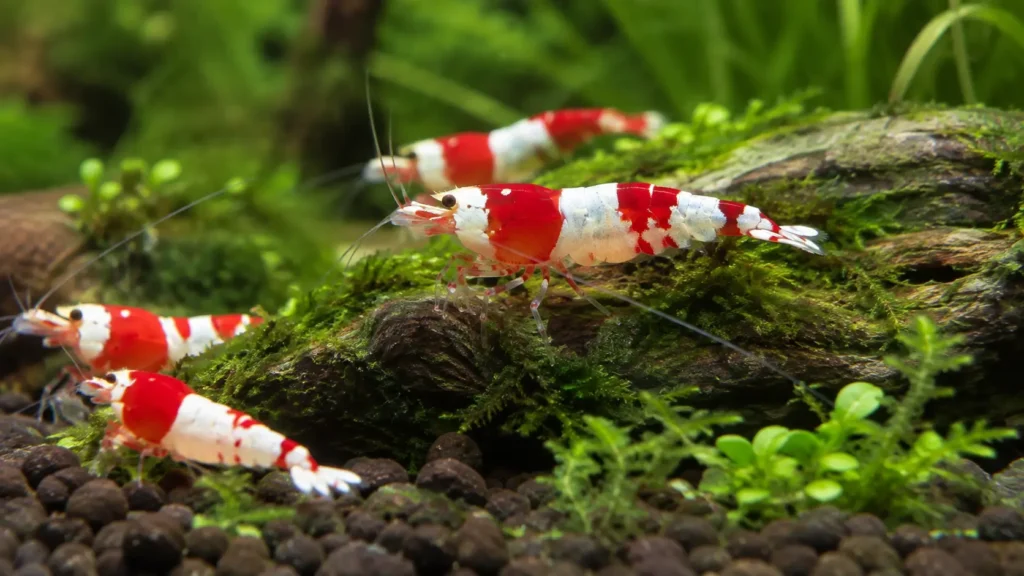
A successful Caridina aquarium starts with a properly cycled tank, suitable water, stable mineral content, gentle filtration, plenty of grazing surfaces, and a feeding routine that does not overload the aquarium.
It is also important to know exactly which shrimp you own. Caridina is a genus containing many freshwater shrimp species, and they do not all require identical conditions. This guide focuses mainly on the bee-type Caridina commonly sold for freshwater shrimp tanks, including Crystal Red and Crystal Black varieties.
What Are Caridina Shrimp?
Caridina is a genus of freshwater shrimp in the family Atyidae. It contains numerous species found across parts of Asia, Africa, and Oceania.
In the aquarium hobby, the name “Caridina shrimp” is often used more narrowly for colorful dwarf shrimp related to bee shrimp. You may encounter names such as:
- Crystal Red shrimp
- Crystal Black shrimp
- Bee shrimp
- Taiwan Bee varieties
- Blue Bolt shrimp
- Panda-type shrimp
- Other selectively bred Caridina lines
However, the genus also includes shrimp with quite different requirements. Amano shrimp, for example, are Caridina multidentata, but their care and breeding should not simply be copied from a Crystal Red shrimp guide.
Whenever possible, identify your shrimp by species or established aquarium line rather than relying only on the word “Caridina.”
Are Caridina Shrimp Good for Beginners?
Caridina shrimp can be kept by a beginner who is willing to understand water chemistry before buying the shrimp.
They are not necessarily the easiest choice for a first-ever aquarium.
Many popular bee-type Caridina are kept successfully in soft, low-alkalinity water. This means beginners using naturally hard tap water may need a different setup from someone whose source water is already appropriate.
That extra preparation is where much of the “Caridina are difficult” reputation comes from.
If you are comfortable testing water, preparing replacement water consistently, and allowing the aquarium to mature before stocking it, Caridina care becomes much more manageable.
The important thing is not to experiment on the shrimp. Prepare the conditions first, then introduce animals that suit those conditions.
Caridina vs. Neocaridina Shrimp
Caridina and Neocaridina are different shrimp genera, even though both contain small freshwater species popular with aquarium keepers.
Neocaridina, including common cherry shrimp, are often recommended to beginners because many aquarium strains tolerate a broader range of commonly available freshwater conditions.
Bee-type Caridina are usually kept under more specific soft-water conditions and tend to reward consistency.
| Feature | Bee-Type Caridina | Neocaridina |
|---|---|---|
| Typical beginner difficulty | More demanding | Generally more forgiving |
| Water approach | Often soft, low-alkalinity water | Often adaptable to moderately mineralized freshwater |
| Common varieties | Crystal Red, Crystal Black, Taiwan Bee types | Cherry, Blue Dream, Yellow, Orange and related colors |
| Best beginner strategy | Prepare water carefully before buying shrimp | Still test water, but often simpler to establish |
This does not mean every Caridina is delicate or every Neocaridina is indestructible. Species and aquarium strains differ, which is why identifying what you actually keep matters.
Setting Up a Caridina Shrimp Tank
A Caridina aquarium does not need to be visually complicated.
A simple setup may include:
- A properly cycled aquarium
- Shrimp-safe filtration
- A thermometer
- Water-testing equipment
- Suitable substrate
- Live plants or moss
- Wood or other aquarium-safe hardscape
- Appropriate remineralized or source water
- Shrimp food
- A secure, stable aquarium location
The aquarium should provide plenty of surface area for grazing. Moss, plants, wood, rocks, substrate, and filter surfaces all become places where biofilm and microorganisms can develop.
Do not make the tank complicated simply because the shrimp are considered more advanced. Stability is usually more useful than having lots of equipment that encourages constant adjustment.
Why Caridina Need a Cycled, Mature Tank
Caridina should not be added to a newly filled aquarium.
A functioning biological filter is needed to process nitrogen-containing waste. In a properly established aquarium, ammonia and nitrite should not be allowed to accumulate.
Allowing the tank to mature also gives natural grazing surfaces time to develop.
This is useful because shrimp do not only eat when you drop prepared food into the aquarium. They spend much of the day picking through biofilm and fine organic material growing around the tank.
A tank can therefore be technically cycled but still benefit from additional maturation before a valuable Caridina colony is introduced.
Understanding Caridina Shrimp Water Parameters
Water chemistry is where Caridina care deserves the most attention.
For bee-type Caridina, you should understand at least:
- Temperature
- pH
- GH or general hardness
- KH or carbonate hardness
- Ammonia
- Nitrite
- Nitrate
- The characteristics of your source water
You may also see shrimp keepers discussing TDS, or total dissolved solids. A TDS meter can provide useful information about changes in dissolved material, but the reading does not tell you exactly which minerals or substances are present.
For that reason, TDS should not replace GH, KH, pH, ammonia, nitrite, and other appropriate testing.
A number on a meter is only useful when you understand what created it.
Why Stable Water Matters for Caridina
Beginners often focus on finding the “perfect” parameter while overlooking stability.
Imagine that your shrimp are living successfully in suitable water. If you repeatedly add products to move the pH, GH, or other measurements up and down, you may create more stress than you solve.
Test your water first.
Then decide whether a change is actually needed.
If you prepare replacement water separately, try to make it consistently similar each time rather than improvising during every water change.
This is one of the biggest differences between simply keeping an aquarium and keeping a sensitive shrimp colony: you want routine maintenance to be predictable.
Do Caridina Shrimp Need RO Water?
Many keepers of bee-type Caridina use reverse-osmosis or similarly purified water and then remineralize it to create controlled water conditions.
The reason is consistency.
Purified water begins with very little mineral content, allowing the aquarium keeper to add an appropriate remineralizing product in a controlled way.
That does not mean every shrimp carrying the Caridina name automatically requires RO water.
Your actual requirement depends on the species or strain and your source water. Some tap water may already be appropriate; other tap water may be far too hard or alkaline for the Caridina being kept.
Test before deciding.
If purified water is used, do not place shrimp directly into untreated pure RO water. Freshwater shrimp still require appropriate dissolved minerals for normal physiology and exoskeleton development.
Do Caridina Shrimp Need Active Substrate?
Active or buffering substrates are commonly used in bee-type Caridina aquariums because they can help create and maintain the softer, more acidic conditions favored by many of these shrimp.
They are not magic, though.
A substrate cannot compensate indefinitely for replacement water that is fundamentally unsuitable for the aquarium.
Buffering capacity can also change as the substrate ages, which means you should continue testing the aquarium rather than assuming the substrate will maintain the same conditions forever.
Choose substrate as part of the complete water-management plan, not as a shortcut that eliminates the need to understand your source water.
Best Filter for Caridina Shrimp
Caridina need reliable biological filtration without dangerous suction around tiny shrimp.
Sponge filters are popular because they provide:
- Gentle water movement
- Biological filtration
- A large grazing surface
- No large exposed intake for baby shrimp
Other filters can also work well. If you use a hang-on-back, internal, or canister filter, make sure the intake is safe for shrimplets.
A suitable pre-filter sponge is commonly used where necessary.
Whatever filter you choose, do not unnecessarily sterilize established biological media. The filter is part of the living biological system that helps process aquarium waste.
Plants and Biofilm for Caridina Shrimp
Caridina spend much of their time grazing.
Moss, plants, wood, rocks, and other aquarium-safe surfaces encourage the development of biofilm and provide places for shrimp to explore.
Moss is especially useful in breeding colonies because its fine structure creates a large amount of surface area in a small space.
Young shrimp can spend much of their time within these complex surfaces where food and shelter are close together.
Do not scrub every natural surface simply because a little biofilm makes the tank look less polished. In a shrimp aquarium, a slightly mature appearance can be much more useful than a sterile-looking interior.
What Do Caridina Shrimp Eat?
Caridina graze on biofilm, microorganisms, some algae, and fine organic material around the aquarium.
That natural grazing can be supplemented with an appropriate shrimp food.
Feed according to the size of the colony and the amount of natural food available.
The mistake to avoid is feeding every time the shrimp appear to be searching for food. Grazing is normal shrimp behavior—they are supposed to spend much of the day picking at surfaces.
If prepared food regularly remains uneaten, reduce the amount.
Overfeeding adds organic waste and makes maintaining the clean, stable water Caridina benefit from more difficult.
Caridina Shrimp and Molting
Like other crustaceans, Caridina must molt as they grow.
A normal shed exoskeleton can look remarkably like a transparent shrimp. Finding one in the aquarium is not usually a sign that an animal has died.
Mineral conditions and overall water stability matter during normal exoskeleton development, but avoid responding to every molt by adding calcium or another supplement.
Test the water first.
If several shrimp repeatedly experience molting problems, review GH, KH, diet, temperature, water-change practices, and overall aquarium conditions rather than assuming there is one universal cause.
Caridina Shrimp Tank Mates
A shrimp-only aquarium is the simplest option if your priority is maintaining or breeding a Caridina colony.
Fish create a particular problem: even a peaceful fish may eat a shrimp that fits into its mouth.
Baby shrimp are especially vulnerable.
If you want tank mates, peaceful freshwater snails are often easier companions than fish, provided their water requirements overlap with those of the Caridina.
Be careful here because a snail that prefers harder, more mineral-rich water may not be an ideal match for a soft-water Caridina setup.
Compatibility is about water requirements as well as behavior.
Do Caridina Shrimp Breed in Freshwater?
Many popular bee-type Caridina can complete their reproductive cycle in freshwater.
A mature female may carry eggs beneath her abdomen, where they remain during development. Aquarium keepers commonly refer to an egg-carrying female as “berried.”
When the young emerge, they resemble tiny versions of the adults rather than requiring the separate brackish-water larval system associated with some other Caridina species.
This is another reason species identification matters.
Amano shrimp are also Caridina, but their reproductive biology is different from the bee-type shrimp discussed in this guide.
Never assume that a breeding method applies to every species simply because the genus name is the same.
Caring for Baby Caridina Shrimp
Baby Caridina need the same basic things as the adults: appropriate water, food, shelter, and safe filtration.
The difference is scale.
Shrimplets are extremely small. A mature aquarium with biofilm growing across moss, plants, wood, and other surfaces gives them many places to find food without having to reach a single feeding spot.
Fine prepared foods can be useful when appropriate, but use them carefully. Powdered food is easy to add and difficult to remove once it spreads throughout the aquarium.
More food is not automatically better for babies.
Stable water quality is more valuable than coating the tank in excess food.
Water Changes for Caridina Shrimp
Caridina still require regular aquarium maintenance.
Partial water changes help manage accumulated dissolved waste, but replacement water should be prepared to avoid unnecessary differences in temperature and chemistry.
This is particularly important when you use remineralized purified water.
Create a repeatable routine. Test and prepare the replacement water consistently rather than mixing it differently every week.
You should also avoid allowing the tank to deteriorate for a long period and then trying to correct everything with one dramatic water change.
Smaller, consistent maintenance is generally easier to manage than cycles of neglect and emergency correction.
Be Careful with Copper and Aquarium Treatments
Caridina are aquatic invertebrates, and medications or chemical products designed for fish are not automatically safe for shrimp.
Copper-containing treatments deserve particular caution because copper can be harmful to freshwater shrimp.
Before adding medication, algae treatments, fertilizer, or another chemical product, read the label and confirm that it is appropriate for the invertebrates in your aquarium.
Do not assume that “freshwater safe” means “shrimp safe.”
If disease treatment is required, identify the problem as accurately as possible rather than adding several medications to the shrimp tank in succession.
Common Caridina Shrimp Care Mistakes
Using Water Without Testing It
Do not assume your tap water is suitable simply because it is safe to drink. Test the water and compare it with the needs of the particular Caridina you keep.
Adding Shrimp to a New Tank
A newly filled aquarium lacks the established biological filtration and mature grazing surfaces that make a shrimp aquarium easier to manage.
Chasing pH Constantly
Repeatedly adding products to manipulate pH can create instability. Understand GH, KH, substrate, and source water instead of treating pH as an isolated number.
Using Pure RO Water Without Remineralizing It
Purified water is used as a starting point for controlled water preparation. Shrimp still need appropriate dissolved minerals.
Overfeeding
More food creates more waste. Feed the colony according to what it actually consumes.
Using an Unprotected Filter Intake
Adult shrimp may be safe around an intake that can trap tiny shrimplets. Plan filtration for the smallest animals in the aquarium.
Keeping Shrimp with the Wrong Fish
A fish does not need to be aggressive to eat baby shrimp.
Assuming All Caridina Need the Same Care
This is one of the biggest mistakes. Caridina is a genus, not a single aquarium species. Identify your shrimp before deciding on water conditions, feeding, or breeding methods.
Caridina Shrimp Care FAQ
Are Caridina Shrimp Difficult to Keep?
Bee-type Caridina are generally more demanding than common Neocaridina because suitable water chemistry and stability deserve closer attention. They can still be kept successfully by beginners who prepare the aquarium and water before buying the shrimp.
What Water Do Caridina Shrimp Need?
Requirements vary by species. Popular bee-type Caridina are commonly maintained in soft, low-alkalinity freshwater, while other Caridina species can have different requirements. Identify the shrimp before choosing water parameters.
Do Caridina Shrimp Need RO Water?
Not every Caridina automatically needs RO water, but many keepers of bee-type Caridina use purified water and remineralize it to create consistent soft-water conditions. Whether this is necessary depends on your source water and the shrimp you keep.
Can Caridina Live in Tap Water?
Possibly, if the tap water is suitable for the particular species or strain. Test pH, GH, KH, and other relevant parameters rather than deciding based simply on the fact that the water comes from a tap.
Do Caridina Shrimp Need Active Substrate?
Buffering substrate is commonly used with bee-type Caridina because it can help maintain suitable soft, acidic conditions. It should be treated as part of the overall water-management system rather than a replacement for appropriate source water.
Do Caridina Shrimp Need a Heater?
Not automatically. A heater is useful when necessary to keep the aquarium within a suitable and stable temperature range. Monitor the actual water temperature with a thermometer.
What Do Caridina Shrimp Eat?
Caridina naturally graze on biofilm, microorganisms, algae, and fine organic material. A suitable prepared shrimp food can supplement natural grazing according to the needs of the colony.
Can Caridina Live With Neocaridina?
Behaviorally they may coexist, but their preferred water conditions may not match, particularly with soft-water bee-type Caridina. Build the aquarium around compatible environmental requirements rather than simply asking whether the shrimp will attack one another.
Can Caridina Shrimp Live With Snails?
Many peaceful snails will not hunt Caridina, but water compatibility matters. Some snails favor more mineral-rich conditions than soft-water Caridina, so research both animals before combining them.
Can Caridina Shrimp Live With Fish?
Some adults may coexist with small fish, but baby shrimp can be eaten by fish that otherwise appear peaceful. A shrimp-only tank is easier when breeding and colony growth are priorities.
Do Caridina Shrimp Breed in Freshwater?
Many bee-type Caridina reproduce completely in freshwater and produce miniature shrimp. Other members of the genus, including Amano shrimp, have different reproductive requirements, so species identification is essential.
Why Are My Caridina Shrimp Dying After Water Changes?
Repeated losses after maintenance should prompt you to compare the replacement water with the aquarium. Check temperature, GH, KH, pH, preparation method, and any products being added. Avoid changing several factors at once while troubleshooting.
Are Caridina or Neocaridina Better for Beginners?
Neocaridina are usually the more forgiving first shrimp. Caridina can still be appropriate for a careful beginner who is willing to learn water testing and prepare a tank specifically for their requirements.
Conclusion
Caridina shrimp care is less about complicated equipment and more about understanding the aquarium before the shrimp go into it.
For popular bee-type Caridina, that usually means paying close attention to soft-water conditions, mineral content, biological filtration, and stability. Test your source water before deciding whether you need purified water, remineralization, or a buffering substrate.
Once the aquarium is established, keep the routine simple. Provide plenty of grazing surfaces, use shrimp-safe filtration, feed conservative portions, and make water changes with carefully prepared replacement water.
Most importantly, remember that Caridina is a large genus. Crystal Red shrimp, bee-type shrimp, Amano shrimp, and other Caridina should not all be treated as though they have identical care and breeding requirements.
Identify the shrimp you actually own and build the aquarium around that animal.
If you do that, Caridina stop feeling like mysterious “expert-only” shrimp. They become what they really are: freshwater invertebrates that reward careful preparation, stable conditions, and consistent care.
Sources
How to Look After Freshwater Shrimp and Snails — Ornamental Aquatic Trade Association (OATA): OATA’s freshwater invertebrate husbandry guidance covers aquarium maturity, filtration, substrate, plants and shelter, feeding, water testing, acclimation, molting, breeding, and medication safety. It supports the general care recommendations in this guide, including maintaining suitable water quality and checking whether treatments are safe for invertebrates.
Tropical Freshwater Invertebrate Care Sheets — Ornamental Aquatic Trade Association (OATA): This collection provides supporting guidance on freshwater invertebrate husbandry and aquarium water quality. It is useful for understanding why water testing, established filtration, appropriate feeding, and species-specific research are important when keeping ornamental shrimp.
New Shrimp from Hong Kong and Southern China — Seriously Fish: This article discusses the freshwater atyid genus Caridina and highlights the diversity of species within the group. It supports an important point in this guide: “Caridina” does not describe a single set of aquarium requirements, so species identification matters.
Caridina — Atlas of Living Australia: The Atlas of Living Australia provides taxonomic information for the genus Caridina. It supports the guide’s distinction between the broad biological genus and the narrower way aquarium hobbyists often use the term when discussing bee-type ornamental shrimp.
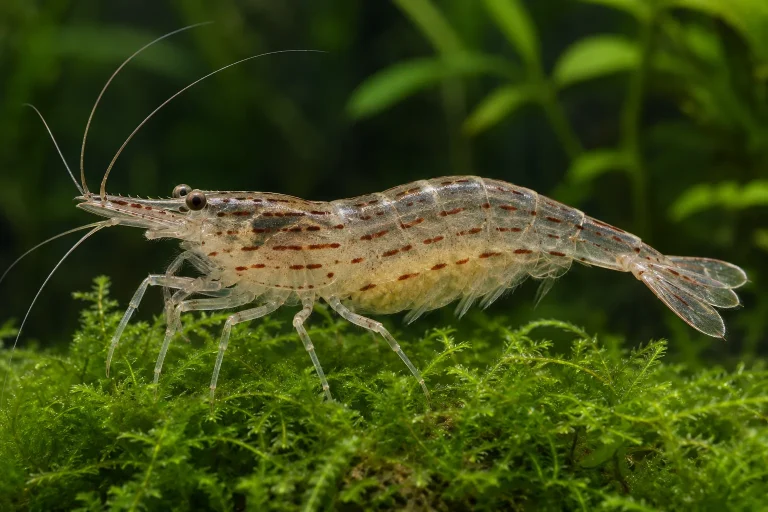
Amano Shrimp
Caridina multidentata
- Care level
- Beginner
- Adult size
- 3–5.5 cm
- Minimum tank
- 40 litres
- Temperature
- 18–28 °C
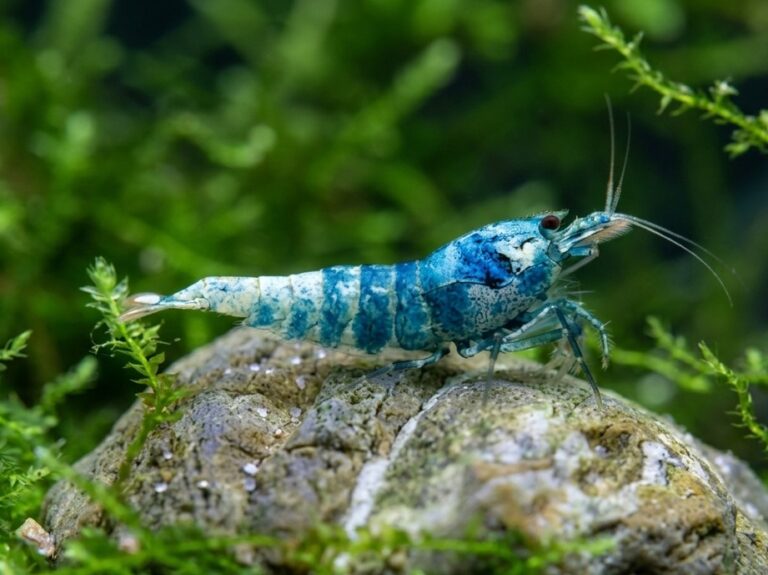
Blue Bolt Shrimp
Caridina logemanni
- Care level
- Intermediate
- Adult size
- 2–3 cm
- Minimum tank
- 20 litres
- Temperature
- 19–24 °C
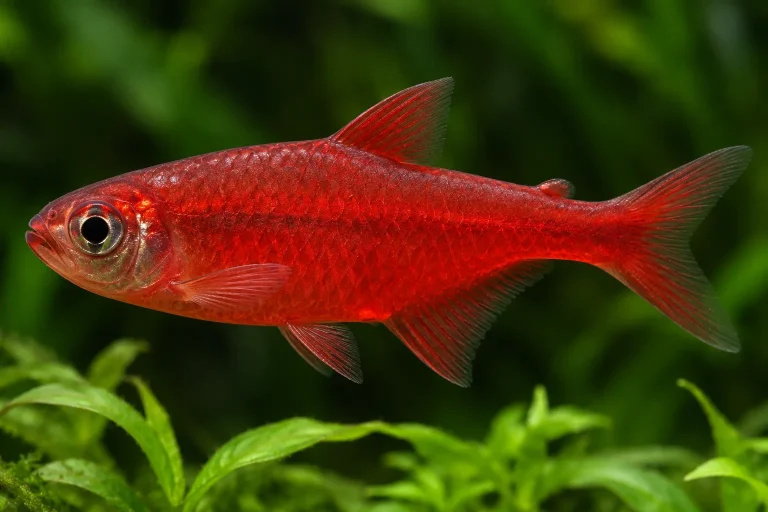
Crystal Red Tetra
Megalamphodus haraldschultzi
- Care level
- Beginner
- Adult size
- 2.5 cm
- Minimum tank
- 54 litres
- Temperature
- 20–28 °C
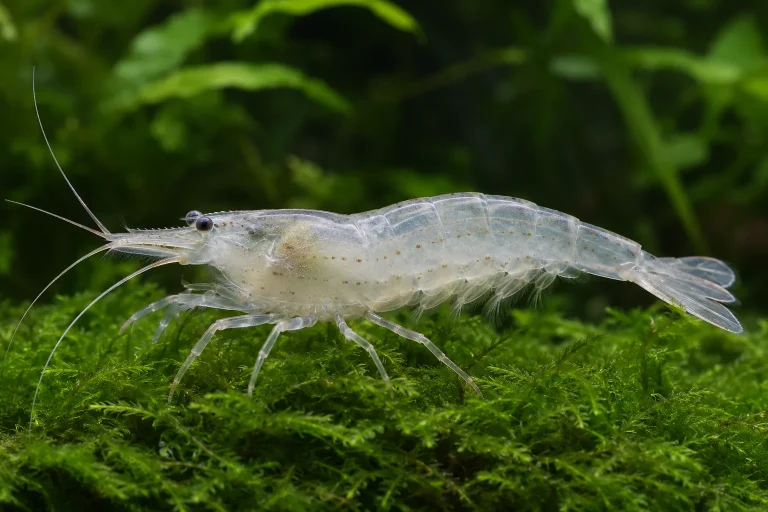
White Amano Shrimp
Caridina multidentata
- Care level
- Intermediate
- Adult size
- 4–6 cm
- Minimum tank
- 60 litres
- Temperature
- 20–27 °C