
Care Guide
Neocaridina Shrimp Care Guide
Neocaridina shrimp are a great introduction to freshwater shrimp keeping. They are small, active, colorful, and surprisingly interesting once you start paying attention to what they do throughout the day.
You might see them picking through moss, grazing across a leaf, cleaning tiny particles from a piece of wood, or suddenly swimming across the aquarium after spending most of the morning quietly feeding.
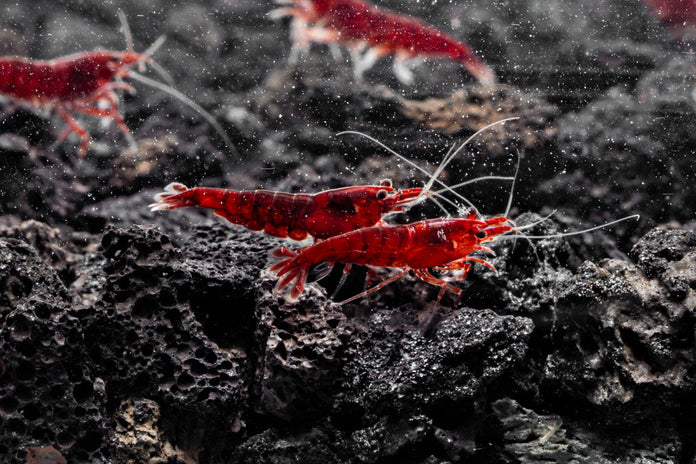
They are often recommended to beginners because they can adapt to a reasonable range of freshwater conditions. That does not mean they can simply be dropped into any aquarium, though. Neocaridina shrimp still need a properly cycled tank, stable water quality, suitable minerals, enough food, and protection from unsuitable tank mates.
The good news is that their care does not have to be complicated. A simple, mature aquarium with plenty of surfaces to graze on is often more useful than a highly technical setup that is constantly being adjusted.
This Neocaridina shrimp care guide covers the essentials, from setting up the tank and understanding water quality to feeding, molting, breeding, and avoiding the mistakes that commonly catch new shrimp keepers by surprise.
What Are Neocaridina Shrimp?
Neocaridina are small freshwater shrimp kept in aquariums around the world. The species most commonly encountered in the hobby is Neocaridina davidi.
Many beginners first meet them as red cherry shrimp, but selective breeding has produced shrimp in a wide range of colors and patterns. Depending on what is available in your area, you may come across red, blue, yellow, orange, dark-colored, pale, or patterned Neocaridina varieties.
Despite the different colors, many of these aquarium shrimp belong to the same species and have broadly similar basic care needs.
Neocaridina spend a large part of their day grazing. They use their small feeding appendages to pick at biofilm, algae, microorganisms, and fine organic material growing on surfaces around the aquarium.
This is one reason mature planted tanks can work so well for them: there are plenty of leaves, wood, rocks, substrate, and other surfaces to explore.
Are Neocaridina Shrimp Good for Beginners?
Neocaridina shrimp can be a good choice for someone keeping freshwater shrimp for the first time, especially when the aquarium is planned around them from the beginning.
The biggest advantage is that you do not need a complicated aquascape or highly specialized equipment to enjoy them. A properly cycled aquarium with reliable filtration, suitable water, and plenty of cover can make an excellent shrimp tank.
The challenge is that shrimp are small and sensitive to poor water quality. A problem that might not immediately be obvious in a fish aquarium can become more noticeable with invertebrates.
For a beginner, the most useful approach is to keep things stable. Avoid making frequent changes to pH, hardness, temperature, or other conditions just because you are trying to create a supposedly perfect number.
Start by understanding the water you already have, then decide whether it suits Neocaridina shrimp.
Setting Up a Neocaridina Shrimp Tank
A Neocaridina tank can be simple. What matters most is that it provides clean, stable water and enough surfaces for the shrimp to graze and hide.
A basic setup may include:
- An appropriately sized aquarium
- A shrimp-safe filter
- A heater when needed to maintain a suitable, stable temperature
- A thermometer
- Aquarium lighting
- Suitable substrate
- Live plants or moss
- Wood, rocks, or other aquarium-safe hardscape
- Water conditioner when required for your tap water
- Water-testing supplies
You do not need to fill every inch of the tank with decorations. Leaving open areas gives you places to feed and observe the shrimp, while planted and structured areas provide shelter and grazing surfaces.
A secure aquarium setup is also worth considering. Shrimp are excellent at exploring small spaces, so check around filters and other equipment for places where they could become trapped.
Why Neocaridina Need a Cycled Aquarium
Do not add Neocaridina shrimp to a tank just because the water has been in it for a few days.
A freshwater aquarium needs an established biological filter capable of processing waste. During the nitrogen cycle, microorganisms help convert ammonia into nitrite and then nitrate.
Ammonia and nitrite are toxic, so a shrimp tank should be properly cycled before normal stocking.
There is another reason patience helps with shrimp: a mature aquarium develops biofilm and other natural material on its surfaces. That gives grazing shrimp more places to feed throughout the day.
A brand-new aquarium that looks spotless may therefore be less useful to shrimp than a stable tank that has had time to mature.
Use water tests rather than the calendar to judge what is happening in a new aquarium.
Neocaridina Shrimp Water Parameters
Neocaridina are known for adapting to a relatively broad range of freshwater conditions, but stability still matters.
Rather than searching for one exact “perfect” pH or temperature, focus on maintaining conditions that are suitable for the shrimp and do not change suddenly.
Important parameters include:
| Parameter | Why It Matters |
|---|---|
| Temperature | Influences shrimp activity, metabolism, growth, and overall aquarium conditions. |
| Ammonia | Toxic waste compound that should not accumulate in an established shrimp tank. |
| Nitrite | Also toxic and should not accumulate in a properly functioning aquarium. |
| Nitrate | Can build up over time and should be managed through appropriate maintenance. |
| pH | Shows how acidic or alkaline the water is. |
| General hardness | Provides information about dissolved minerals in the water. |
| Carbonate hardness | Helps you understand the buffering characteristics of your water. |
Test your source water before adding products intended to alter hardness or pH. Beginners sometimes create unstable conditions by repeatedly changing water chemistry when the original water may already have been suitable.
If your shrimp are doing well in stable conditions, consistency is often more useful than constantly chasing a different test result.
Do Neocaridina Shrimp Need a Heater?
Not every Neocaridina aquarium needs a heater.
If your room naturally keeps the tank within a suitable and reasonably stable temperature range, additional heating may not be necessary. If the aquarium becomes too cool or experiences large temperature swings, a heater may be useful for maintaining stability.
What matters is the actual water temperature, not whether a heater is present.
Use a thermometer and check the aquarium at different times, particularly if the room changes noticeably between day and night or between seasons.
Avoid positioning the tank next to radiators, heating vents, strong direct sunlight, or other areas where temperature can change quickly.
What Filter Is Best for Neocaridina Shrimp?
Neocaridina need filtration, but the filter should be appropriate for very small animals.
Sponge filters are popular in shrimp tanks because they provide biological filtration while offering a broad surface where shrimp can graze. Their gentle water movement can also work well in a shrimp-focused aquarium.
Other filter types can work too, but pay attention to the intake. Newly hatched shrimp are extremely small and may be vulnerable to an intake that is not protected.
A suitable sponge or shrimp-safe intake guard can help reduce that risk.
Whatever filter you choose, avoid treating established filter media as something that needs to be sterilized. It supports the microorganisms involved in biological filtration.
Plants for a Neocaridina Shrimp Tank
Live plants are not absolutely required, but they can make a shrimp tank much more interesting and provide useful habitat.
Plants create surfaces where biofilm can develop and provide cover for young shrimp. Dense growth also gives freshly molted shrimp places to retreat while their new exoskeleton hardens.
Mosses are especially popular because their fine structure creates a huge amount of surface area for shrimp to investigate.
Other aquarium plants can work just as well, so there is no need to build the entire tank around one particular species.
Wood, rocks, leaf litter intended for aquarium use, and other natural hardscape can add even more grazing surfaces.
Be careful with anything introduced to a shrimp aquarium. Plants and decorations should be prepared appropriately and should not bring harmful chemical residues into the tank.
What Do Neocaridina Shrimp Eat?
Neocaridina spend much of their time grazing on biofilm, algae, microorganisms, and fine organic material found throughout the aquarium.
That natural grazing is an important part of their behavior, but it does not mean you should assume the aquarium will always produce enough food by itself.
Depending on the size of the colony and the amount of natural food available, you may need to supplement their diet with suitable shrimp food and other appropriate foods.
A varied diet is generally more sensible than relying on one food indefinitely.
Watch the colony when you feed. If food disappears immediately and every shrimp gathers around it, the colony may be making good use of the portion. If substantial food remains for a long time, you may be offering more than they need.
How Often Should You Feed Neocaridina Shrimp?
There is no feeding schedule that fits every shrimp tank.
A mature planted aquarium with a small shrimp colony may provide plenty of natural grazing. A larger colony in a newer or cleaner aquarium may depend more heavily on supplemental feeding.
This is why watching the aquarium is more useful than automatically feeding the same amount every day.
Overfeeding is particularly easy in shrimp tanks because a small amount of food can feed many tiny animals.
Food that remains uneaten can break down and contribute to water-quality problems. It can also encourage populations of other organisms, including reproducing aquarium snails.
Start conservatively, observe what the shrimp actually consume, and adjust from there.
Understanding Neocaridina Shrimp Molting
Like other crustaceans, Neocaridina shrimp have an exoskeleton. As they grow, they periodically shed the old outer covering in a process called molting.
Finding an empty shrimp-shaped shell in the aquarium can be alarming the first time you see one.
Look closely before assuming a shrimp has died. A molt often appears almost transparent and may look like a complete hollow shrimp.
It is usually fine to leave a clean molt in the aquarium. Shrimp may return to it and consume some of the material.
Freshly molted shrimp can be more vulnerable while the new exoskeleton hardens, which is another reason plants, moss, and sheltered areas are valuable.
Minerals and Neocaridina Molting
Appropriate mineral conditions matter for shrimp because minerals are involved in building and maintaining their exoskeleton.
This does not mean every Neocaridina tank automatically needs mineral additives.
Your tap or source water may already provide appropriate hardness. Adding products without testing can push the water away from the conditions your shrimp need.
Before changing mineral levels, check general hardness and carbonate hardness and understand what those readings mean in your particular aquarium.
If your water genuinely needs adjustment, make changes carefully rather than creating large swings between water changes.
Neocaridina Shrimp Colors
One of the attractions of Neocaridina is the range of colors available in the aquarium hobby.
Red cherry shrimp are probably the best-known, but selective breeding has produced many other color lines.
If you want to maintain a particular color line, it is usually best to keep that line on its own rather than mixing several unrelated colors in the same breeding colony.
When different color lines reproduce together, later generations may not consistently retain the bright colors of their parents.
If your goal is simply to enjoy shrimp and you do not care about maintaining a color strain, this may not matter to you.
Best Tank Mates for Neocaridina Shrimp
A shrimp-only aquarium is the simplest option if your main goal is to watch the colony grow and see plenty of baby shrimp.
Fish complicate things because even small, peaceful fish may investigate or eat shrimp that fit into their mouths, particularly newborn shrimp.
If you want a mixed community, research each potential tank mate carefully. “Peaceful fish” does not automatically mean “shrimp-safe fish.”
Freshwater snails can often make easier companions because many common aquarium snails do not actively hunt healthy shrimp.
When breeding success is important, keeping Neocaridina without fish removes a major source of predation on shrimplets.
Do Neocaridina Shrimp Breed Easily?
Neocaridina can reproduce readily in suitable freshwater aquarium conditions.
A mature female may carry developing eggs under her abdomen. Aquarium keepers often describe an egg-carrying female as being “berried.”
The female holds and tends the eggs until the young emerge.
Unlike shrimp species that require a separate saltwater or brackish larval stage, Neocaridina produce young that develop directly as miniature shrimp.
You do not normally need a separate breeding tank if the main aquarium is safe for the colony. Dense plants, moss, established biofilm, and shrimp-safe filtration make the environment more suitable for tiny young shrimp.
Caring for Baby Neocaridina Shrimp
Baby Neocaridina are extremely small when they first appear.
One day you may see none, and the next you suddenly notice tiny shrimp sitting on the glass or moving through moss.
A mature tank helps because the babies can graze on established biofilm and microorganisms found on plants and other surfaces.
Fine plants and moss provide useful cover, while a shrimp-safe filter prevents the smallest animals from being pulled into an unprotected intake.
Avoid overfeeding just because babies are present. More food does not automatically mean faster or safer growth, and deteriorating water quality can create a much bigger problem for the colony.
Water Changes in a Neocaridina Tank
Neocaridina still need regular aquarium maintenance.
Partial water changes help manage nitrate and other dissolved waste, but the replacement water should not create a dramatic shift in temperature or chemistry.
This is where consistency matters.
If your source water is substantially different from the aquarium water, large sudden changes can create unnecessary stress. Test and understand both your tank and replacement water when you are trying to solve a water-quality problem.
Clean visible debris where necessary, but avoid turning maintenance day into a complete aquarium reset.
A mature shrimp tank contains a functioning biological community. Maintaining it is different from sterilizing it.
Be Careful with Copper and Aquarium Treatments
Shrimp are invertebrates, which means treatments that are suitable for fish are not automatically suitable for them.
Copper-containing medications deserve particular caution because copper can be harmful to aquarium shrimp.
Before adding any medication, algae treatment, fertilizer, or other chemical product, read the label and confirm that it is appropriate for shrimp.
Do not rely only on wording such as “freshwater safe.” A product can be intended for freshwater fish without being appropriate for every freshwater invertebrate.
If treatment is needed for another animal in a community aquarium, check whether it can be used safely with the shrimp before dosing the tank.
Common Neocaridina Shrimp Care Mistakes
Adding Shrimp to a New Uncycled Tank
A tank that has been filled recently may not have established biological filtration or enough mature grazing surfaces.
Cycle the aquarium first and confirm water quality with testing.
Chasing Exact Water Parameters
Constantly adding products to raise or lower pH and hardness can create instability.
Understand your source water and make changes only when there is a clear reason.
Overfeeding
Shrimp are small. A portion that looks tiny to you may still be more food than the colony needs.
Watch how quickly food is consumed and adjust accordingly.
Keeping Shrimp with Predatory Fish
A fish does not have to be aggressive to eat a tiny shrimp.
Research tank mates based on actual feeding behavior and adult size rather than general labels such as “community fish.”
Using an Unprotected Filter Intake
Adult shrimp may be fine around a filter intake that presents a problem for newly hatched shrimp.
Use shrimp-safe filtration or suitable intake protection.
Making Large Sudden Changes
Major changes in temperature or water chemistry can be stressful.
Stable, appropriate conditions are usually more useful than constantly adjusting the aquarium.
Assuming Shrimp Live on Algae Alone
Neocaridina graze naturally, but food availability differs from one aquarium to another.
Monitor the colony and provide appropriate supplemental nutrition when natural grazing is not enough.
Neocaridina Shrimp Care FAQ</
Are Neocaridina Shrimp Easy to Keep?
Neocaridina can be suitable for beginners when they are kept in a properly cycled aquarium with stable water quality, suitable hardness, appropriate food, and safe tank mates. Their care is straightforward, but they should not be treated as maintenance-free animals.
Do Neocaridina Shrimp Need a Filter?
Yes. Biological filtration helps process waste and maintain water quality. Sponge filters are commonly used in shrimp aquariums, although other filters can work when their intakes are made safe for very small shrimp.
Do Neocaridina Shrimp Need Live Plants?
Live plants are not strictly required, but they provide valuable cover and grazing surfaces. Mosses and other dense plants can be particularly useful for young shrimp.
Do Neocaridina Shrimp Need a Heater?
Not always. Whether a heater is necessary depends on the natural temperature of the aquarium and how stable it remains. Monitor the actual water temperature rather than deciding based only on room temperature.
What Do Neocaridina Shrimp Eat?
Neocaridina naturally graze on biofilm, algae, microorganisms, and fine organic material. Depending on how much natural food is available, they may also need suitable supplemental shrimp foods.
How Often Should I Feed Neocaridina Shrimp?
There is no universal schedule. Feeding depends on colony size and how much natural grazing the tank provides. Offer conservative portions and adjust them based on how quickly the shrimp consume the food.
Why Is There an Empty Shrimp Shell in My Aquarium?
It may simply be a molt. Shrimp periodically shed their exoskeleton as they grow. A molt is usually translucent and hollow and can often be left in the aquarium.
Can Neocaridina Shrimp Live With Fish?
They can live with some fish, but no small shrimp should automatically be considered safe around fish. Any fish capable of fitting a shrimp into its mouth may investigate it as food, and baby shrimp are especially vulnerable.
Can Neocaridina Shrimp Live With Snails?
Many peaceful freshwater snails can share an aquarium with Neocaridina when their water and care requirements are compatible. Snails are often easier companions than fish when preserving baby shrimp is important.
How Do I Know If a Neocaridina Shrimp Is Carrying Eggs?
A female carrying eggs holds them beneath her abdomen. Aquarium keepers commonly refer to this as being “berried.” The eggs remain with the female while they develop.
Will Neocaridina Shrimp Breed in Freshwater?
Yes. Neocaridina can complete their reproductive cycle in freshwater. In suitable conditions, females can carry eggs that develop into miniature shrimp without requiring a separate marine larval stage.
Should I Remove a Shrimp Molt?
Usually there is no need to remove a clean molt immediately. Shrimp may return to it and consume some of the material. Make sure you are looking at an empty exoskeleton rather than a dead shrimp before deciding what to do.
Why Are My Neocaridina Shrimp Hiding?
Shrimp may hide after molting, when they are adjusting to a new environment, or when they feel exposed around tank mates. Plenty of plants and other cover lets them retreat when they need to.
Conclusion
Neocaridina shrimp care becomes much easier when you focus on stability rather than complexity.
Start with a properly cycled aquarium, understand your water before trying to change it, provide reliable biological filtration, and give the shrimp plenty of plants and surfaces to graze on.
Feed according to what the colony actually needs rather than automatically adding food every time you pass the tank. Protect tiny shrimp from filter intakes, be cautious with fish tank mates, and always check whether medications and other aquarium products are safe for invertebrates.
Most importantly, spend time watching your shrimp.
You will quickly learn what normal feeding, hiding, molting, and breeding behavior looks like in your own aquarium. That makes it much easier to notice when something has changed.
A healthy Neocaridina tank does not need to be complicated. Give the colony clean, stable water and a mature environment to explore, and these tiny freshwater shrimp can become some of the most interesting animals in your aquarium.
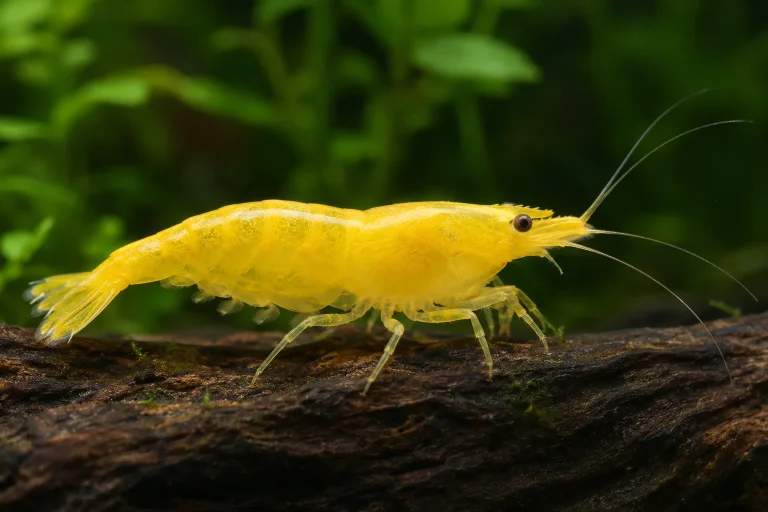
Yellow Shrimp
Neocaridina davidi
- Care level
- Beginner
- Adult size
- 3–4 cm
- Minimum tank
- 20 litres
- Temperature
- 18–26 °C
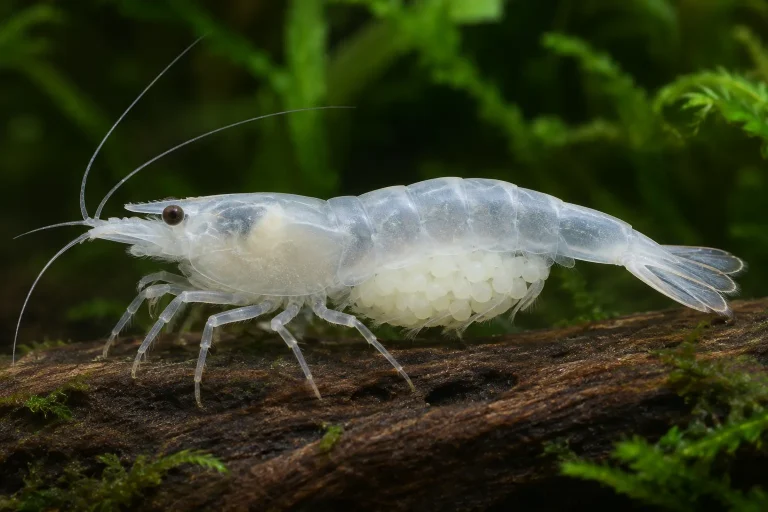
Snowball Shrimp
Neocaridina zhangjiajiensis
- Care level
- Beginner
- Adult size
- 2.5–3 cm
- Minimum tank
- 20 litres
- Temperature
- 18–26 °C
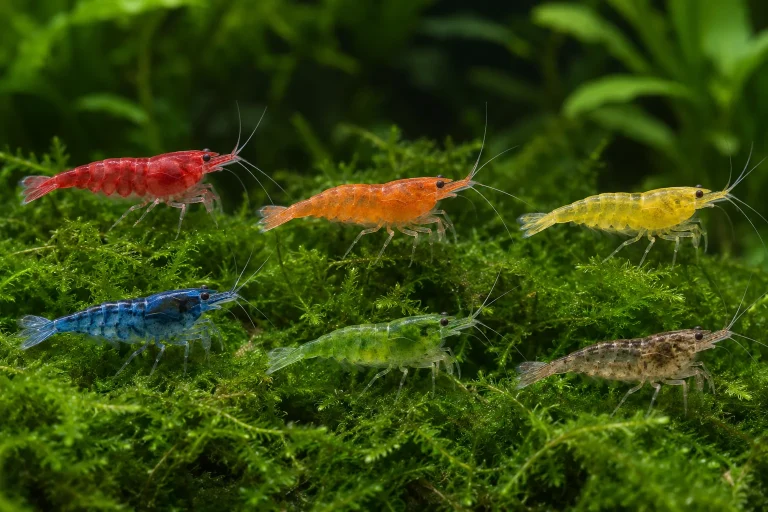
Assorted Shrimp
Neocaridina spp.
- Care level
- Beginner
- Adult size
- 2–3.5 cm
- Minimum tank
- 20 litres
- Temperature
- 18–28 °C
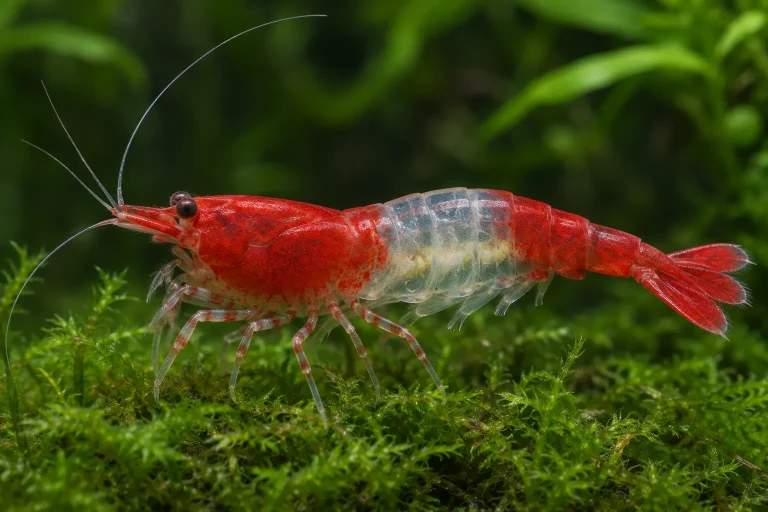
Red Rili Shrimp
Neocaridina davidi
- Care level
- Beginner
- Adult size
- 3–4 cm
- Minimum tank
- 20 litres
- Temperature
- 18–26 °C