
Care Guide
Bamboo Shrimp Care Guide
Bamboo shrimp, Atyopsis moluccensis, are large freshwater filter-feeding shrimp that collect tiny suspended food particles with fan-shaped appendages. This feeding method makes their care very different from cherry shrimp or Amano shrimp. A bamboo shrimp can live in a tank with algae and still starve if the water column does not carry enough appropriately sized food past a secure feeding perch.
A successful setup therefore revolves around flow, mature biological conditions, targeted feeding, and peaceful tank mates. The shrimp should be able to sit in a current and open its fans rather than spending most of the day scraping the substrate. Persistent bottom-picking can be a warning that suspended food is inadequate. Their unusual behavior is fascinating, but it requires the keeper to design the aquarium around how the animal actually eats.

Tank Setup for Bamboo Shrimp
Bamboo shrimp need an established aquarium with clean, oxygenated water and a dependable current. Hardscape should include elevated perches in that current so the shrimp can sit securely while feeding. A bare new tank may be chemically cycled yet still lack the suspended microfoods and mature surfaces these shrimp benefit from.
After molting, a bamboo shrimp may hide while the new exoskeleton hardens. Provide caves, wood gaps, and dense plants away from aggressive fish. An empty transparent shell is an exuvia and can look like a dead shrimp until you notice that it is hollow.
Flow and Feeding Perches
Place a branch, rock, or broad plant surface downstream from the filter return where water moves steadily without blasting the animal against decor. The shrimp will often choose its own favorite station. Once it does, avoid rearranging that area unnecessarily because the location is part of its feeding strategy.
Choose peaceful tank mates that will not nip the shrimp’s fans or attack it during a molt. Large cichlids and predatory fish are poor choices. Very competitive fish can also intercept suspended foods, so feeding technique matters even when the fish are not aggressive.
How to Feed Bamboo Shrimp
The fan-like appendages collect fine suspended particles. Suitable foods therefore need to remain in the water column long enough to pass the shrimp. Powdered invertebrate foods can work when used sparingly; the goal is a light edible suspension, not visibly cloudy water full of excess nutrients.
Bamboo shrimp are larger than dwarf shrimp but should not be treated as invulnerable. Their exposed feeding posture makes persistent harassment stressful. Observe the tank at feeding time and after lights change, when fish behavior can differ from quiet daytime periods.
Water Quality and Molting
Target feeding can reduce waste. Mix a very small amount of appropriate powdered food with aquarium water and release it upstream from the shrimp’s feeding perch so the current carries particles through its fans. Watch whether it repeatedly sweeps the fans to its mouth.
Cover gaps around filters and cables because shrimp can climb. Exploring near the surface may be normal, but repeated escape attempts should prompt a check of water quality, oxygenation, and social stress before the lid is treated as the only solution.
Tank Mates and Predation Risk
A bamboo shrimp that spends most of its time scraping the substrate with closed fans may not be receiving enough suspended food. Occasional picking is not automatically alarming, but persistent ground foraging is a reason to review current placement, food particle size, and feeding frequency.
Do not over-clean the aquarium in an attempt to provide pristine conditions. Maintain water quality while preserving mature biofilm and normal microscopic life. Sterilizing every surface and replacing filter media removes useful ecological maturity without making the water safer.
Normal Behavior and Warning Signs
Strong flow in one feeding zone does not require turning the entire aquarium into a torrent. Create a current corridor with a filter outlet or suitable pump while leaving calmer areas for resting and tank mates. Protect any pump intake so the shrimp cannot be injured.
Body condition is harder to judge than in fish, so behavior provides important clues. Regular fan feeding in a current, normal movement, successful molts, and use of secure resting areas are encouraging. Long periods of frantic movement, repeated substrate scraping, or multiple failed molts deserve investigation.
Molting, Health, and Long-Term Care
Stable water chemistry is important during molting. Test ammonia and nitrite, maintain suitable hardness, and avoid large abrupt changes in temperature or mineral concentration. Do not respond to every molt by adding calcium products without knowing the existing GH and water chemistry.
Bamboo shrimp breeding is not a simple freshwater colony project. Their larvae require a different developmental environment, making routine home breeding much more complex than Neocaridina reproduction. Buy them with the expectation that the group will not replenish itself in an ordinary freshwater display.
Frequently Asked Questions
What Do Bamboo Shrimp Eat?
Bamboo shrimp need an established aquarium with clean, oxygenated water and a dependable current. Hardscape should include elevated perches in that current so the shrimp can sit securely while feeding. A bare new tank may be chemically cycled yet still lack the suspended microfoods and mature surfaces these shrimp benefit from.
Why Is My Bamboo Shrimp Picking at the Substrate?
A bamboo shrimp that spends most of its time scraping the substrate with closed fans may not be receiving enough suspended food. Occasional picking is not automatically alarming, but persistent ground foraging is a reason to review current placement, food particle size, and feeding frequency.
Do Bamboo Shrimp Need Strong Flow?
Bamboo shrimp need an established aquarium with clean, oxygenated water and a dependable current. Hardscape should include elevated perches in that current so the shrimp can sit securely while feeding. A bare new tank may be chemically cycled yet still lack the suspended microfoods and mature surfaces these shrimp benefit from.
Can Bamboo Shrimp Live With Cherry Shrimp?
Bamboo shrimp need an established aquarium with clean, oxygenated water and a dependable current. Hardscape should include elevated perches in that current so the shrimp can sit securely while feeding. A bare new tank may be chemically cycled yet still lack the suspended microfoods and mature surfaces these shrimp benefit from.
Why Is My Bamboo Shrimp Hiding?
A bamboo shrimp that spends most of its time scraping the substrate with closed fans may not be receiving enough suspended food. Occasional picking is not automatically alarming, but persistent ground foraging is a reason to review current placement, food particle size, and feeding frequency.
Do Bamboo Shrimp Eat Algae?
Bamboo shrimp need an established aquarium with clean, oxygenated water and a dependable current. Hardscape should include elevated perches in that current so the shrimp can sit securely while feeding. A bare new tank may be chemically cycled yet still lack the suspended microfoods and mature surfaces these shrimp benefit from.
Can Bamboo Shrimp Breed in Freshwater?
Bamboo shrimp need an established aquarium with clean, oxygenated water and a dependable current. Hardscape should include elevated perches in that current so the shrimp can sit securely while feeding. A bare new tank may be chemically cycled yet still lack the suspended microfoods and mature surfaces these shrimp benefit from.
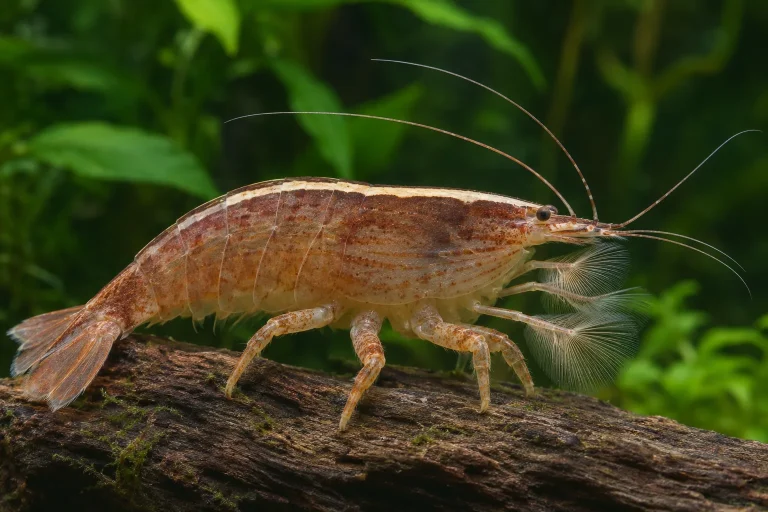
Bamboo Shrimp
Atyopsis moluccensis
- Care level
- Intermediate
- Adult size
- 6–9 cm
- Minimum tank
- 80 litres
- Temperature
- 22–27 °C
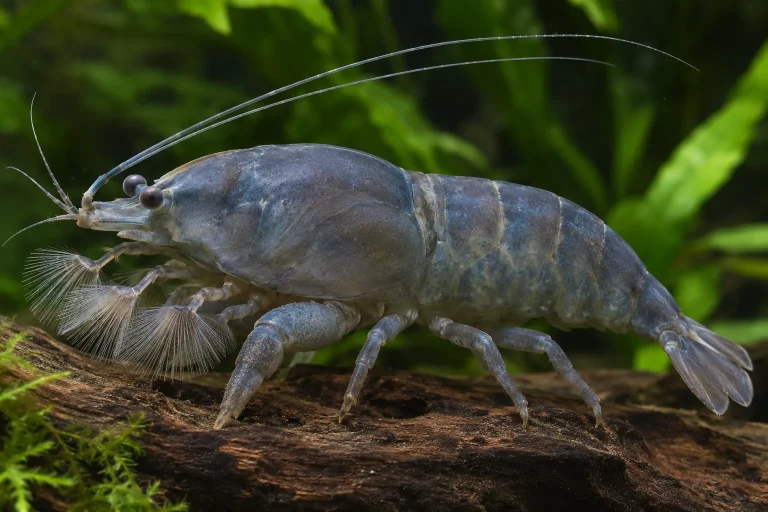
Vampire Shrimp
Atya gabonensis
- Care level
- Advanced
- Adult size
- 8–15 cm
- Minimum tank
- 100 litres
- Temperature
- 23–28 °C
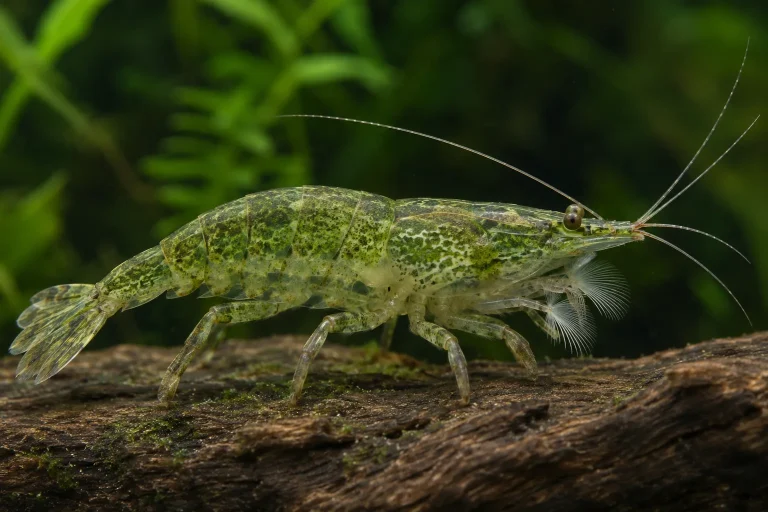
Green Lace Shrimp
Atyoida pilipes
- Care level
- Advanced
- Adult size
- 3–5 cm
- Minimum tank
- 50 litres
- Temperature
- 22–27 °C
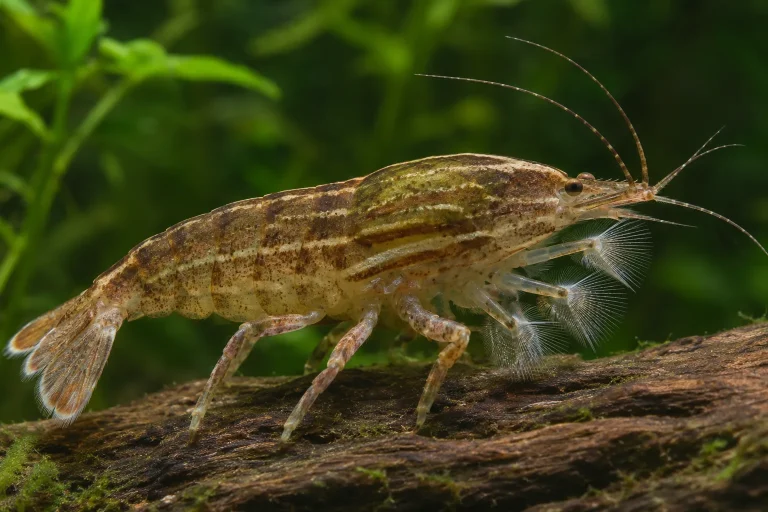
Small Bamboo Shrimp
Atyopsis spinipes
- Care level
- Advanced
- Adult size
- 3–5 cm
- Minimum tank
- 50 litres
- Temperature
- 22–27 °C