
Care Guide
Summer Aquarium Care
Summer heat changes more than the number on the aquarium thermometer. As water warms, its capacity to hold dissolved oxygen decreases while fish metabolism and biological activity may increase. Evaporation also accelerates, making water level and mineral concentration easier to overlook.
Good summer care is about stability rather than making the aquarium cold. Monitor temperature, maintain gas exchange, reduce unnecessary heat sources, replace evaporation correctly, and have a plan for unusually hot days or power outages.
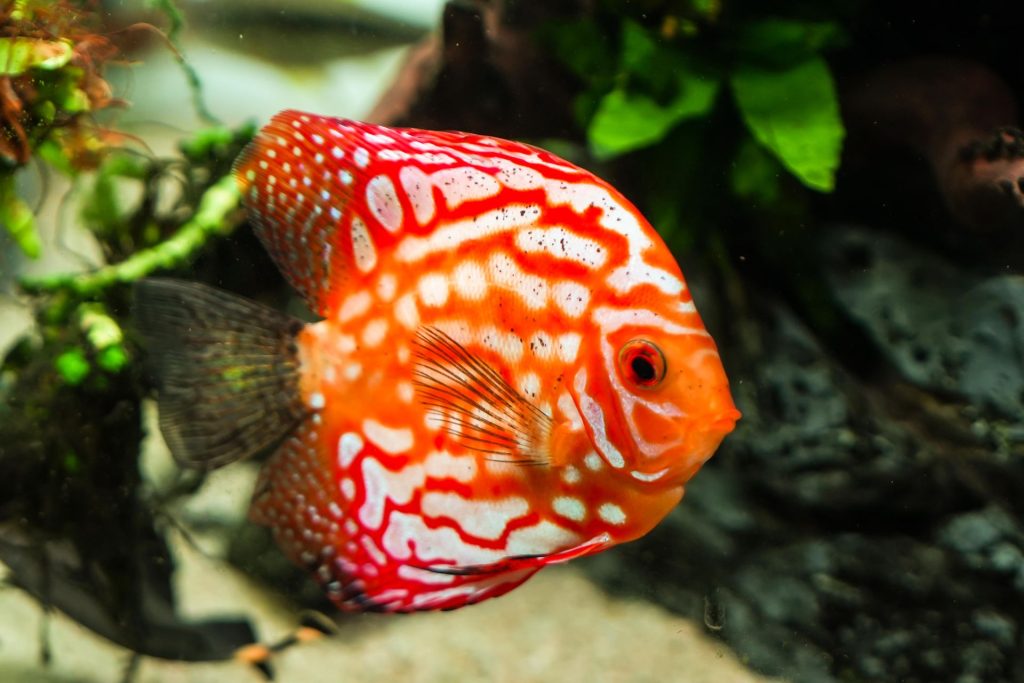
Monitor Temperature Before Fish Show Stress
Use a reliable aquarium thermometer and learn the normal daily range. Check it during the hottest part of the day, not only in the cool morning. Species have different temperature tolerances, so compare the reading with the needs of the animals you actually keep.
A short increase within the species’ tolerated range is different from prolonged overheating. Rapid swings can also be stressful, so avoid aggressive cooling methods that drop temperature suddenly.
Know the Normal Range Before a Heat Wave
A thermometer is most useful when you know what “normal” looks like. Note morning and late-afternoon temperatures on an ordinary warm day. This shows the tank’s daily swing and helps you recognize when a heat wave is pushing it beyond its usual range.
Species lists should be treated as ranges, not permission to hold every animal at the hottest number indefinitely. If a community contains several species, use a stable range that is appropriate for all of them rather than optimizing for only one inhabitant.
Why Heat and Oxygen Are Connected
Warmer water holds less dissolved oxygen. At the same time, fish, microorganisms, and decomposing organic matter continue consuming oxygen. This combination can become important in heavily stocked tanks, especially overnight when plants are not photosynthesizing.
Keep filters and air-driven equipment operating normally. Surface movement improves gas exchange. If fish are breathing rapidly at the surface, treat it as a warning sign and check temperature, filter flow, water quality, and aeration promptly.
Oxygen Can Become the Immediate Limitation
Warm water’s lower oxygen-holding capacity is especially important at night, in heavily stocked tanks, and in aquariums with a lot of decomposing organic matter. Plants produce oxygen while photosynthesizing but consume oxygen through respiration around the clock, so a planted tank is not automatically protected from nighttime oxygen stress.
Strong gas exchange does not mean creating violent current. Aim for steady surface movement and unobstructed filter flow. An air stone is useful because rising bubbles move water and disturb the surface, improving exchange with the atmosphere.
How to Cool an Aquarium Safely
First reduce avoidable heat. Keep the aquarium away from direct sunlight, shorten or shift the lighting period if appropriate for the plants, and improve room ventilation or air conditioning where available. Opening a lid can increase evaporative cooling, but only if the livestock cannot jump or climb out and electrical safety is maintained.
A fan blowing across the water surface can increase evaporation and cooling. Because evaporation becomes faster, monitor water level closely. Chillers are useful in systems that require reliably cool water but are unnecessary for many tropical community tanks.
Avoid dropping large quantities of ice directly into the aquarium. It can create localized cold spots and uncontrolled temperature changes. If emergency cooling is required, use a measured approach and monitor the thermometer continuously.
Use Cooling Methods in Stages
Start with the least disruptive measures: close blinds against direct sun, improve room ventilation, raise the light fixture if it radiates significant heat, and shift the lighting schedule away from the hottest hours. If more cooling is needed, a fan across the water surface can be effective.
Measure the result rather than guessing. A fan may lower one tank substantially and another only slightly depending on humidity and room airflow. The goal is a controlled reduction, not the coldest possible water.
Evaporation and Top-Offs
Evaporation removes water but leaves most dissolved minerals behind. Topping off restores water volume; it does not remove nitrate or replace a water change. In hard-water areas, repeatedly topping off with mineral-rich tap water can gradually increase dissolved mineral concentration.
For tanks where mineral stability matters, purified water may be used for evaporation replacement, while scheduled water changes use properly prepared water with the intended mineral content. Whatever method you use, make it consistent with the livestock and source water.
Top-Off Water Requires a Different Mineral Strategy
Imagine a tank containing a fixed amount of calcium and magnesium. When a liter of pure water evaporates, those minerals remain. Adding another liter of equally hard tap water adds a second mineral contribution even though you only meant to restore volume. Repeating that process can slowly increase hardness and conductivity.
For chemistry-sensitive aquariums, low-mineral RO or distilled water is commonly used for evaporation replacement. Continue normal water changes with properly prepared water so dissolved waste and excess minerals are actually removed.
Feeding and Maintenance During Hot Weather
Do not increase feeding simply because fish are more active. Excess food increases waste and oxygen demand as it decomposes. During severe heat or an outage that reduces aeration, lighter feeding may be appropriate until conditions stabilize.
Continue normal water changes, but match replacement-water temperature reasonably closely. A large cold-water change is not a safe cooling shortcut. Clean clogged prefilters and restore reduced flow so circulation remains dependable.
Keep the Filter Easy to Breathe Through
Summer is a poor time to ignore a clogged pre-filter or weak pump. Reduced circulation means less oxygenated water reaches biological media and less surface movement occurs. Check intakes, impellers, sponge prefilters, and HOB water levels before extreme heat arrives.
At the same time, do not perform an unnecessary full filter teardown during a heat emergency. Restore normal flow while preserving mature media. Stability is more valuable than making every component look spotless.
Prepare for Summer Power Outages
Power failures can stop filters, air pumps, and cooling equipment at the same time the water is warmest. Battery-powered aeration can be valuable for stocked aquariums. Keep suitable batteries charged or available and test emergency equipment before it is needed.
During an outage, prioritize oxygen and stable temperature. Avoid unnecessary feeding. When power returns, confirm the filter and heater or cooling equipment restart correctly rather than assuming every device resumed operation.
Plan for the Combination of Heat and Power Loss
A summer outage can remove filtration, aeration, room cooling, and fans simultaneously. Battery air pumps are therefore more than convenience equipment in densely stocked aquariums. Test them in advance, know how long the batteries last, and keep airline and air stones ready.
During a prolonged outage, reduce feeding and avoid opening the filter repeatedly. When power returns, verify that pumps restart and inspect water quality. A motor can remain stalled after electricity is restored if an impeller is jammed.
Warning Signs During a Heat Event
Rapid gill movement, persistent surface breathing, unusual lethargy, loss of balance, or several animals gathering in the highest-flow area can indicate environmental stress. Check temperature and water quality immediately and increase safe aeration while identifying the cause.
Do not assume every summer illness is caused by heat. Ammonia, nitrite, disease, and equipment failures can occur at the same time, so test and observe before choosing a treatment.
Separate Heat Stress From Other Problems
Fast breathing and lethargy can occur during overheating, but they are not specific to heat. Ammonia, nitrite, gill disease, and chemical exposure can create similar signs. Check the thermometer and water tests rather than assuming the season explains everything.
If only one fish is affected while every other animal behaves normally, an individual health problem becomes more plausible. If many animals change behavior at the same time, investigate the shared environment first.
Create a Heat-Wave Routine Before You Need It
Write down the temperature at which you will begin each response rather than improvising when the room becomes uncomfortable. Your trigger should be based on the livestock’s normal tolerated range. The first response might be closing blinds and checking filter flow; the next might be starting a surface fan and extra aeration. A tank containing cool-water species may need a more robust plan than a tropical community aquarium.
Check the tank at predictable times during a heat wave. Morning readings show how much it cooled overnight, while late-afternoon readings reveal the daily peak. If temperature keeps climbing day after day, a fan that was adequate yesterday may not be enough tomorrow. Room cooling or a purpose-built aquarium chiller may be necessary for species that require reliably cool conditions.
Keep electrical safety in mind when increasing evaporation. Fans, extension leads, power strips, and controllers should be positioned so condensation and splashes cannot reach unsafe connections. Maintain drip loops on aquarium cords. If you open or remove a lid for cooling, confirm that fish cannot jump and snails cannot escape.
After the heat passes, return lighting and feeding gradually to the normal schedule and continue observing livestock. Do not assume the end of hot weather means the aquarium needs a major cleanup. Resume ordinary maintenance unless tests or visible conditions show a specific problem.
Summer Care for Planted and Shrimp Tanks
Planted tanks need the same heat and oxygen attention as fish-only systems. During very hot periods, do not increase fertilizer or CO2 simply because plant growth looks different; first restore stable temperature and circulation. A stressed aquarium is easier to evaluate when normal variables remain consistent.
Shrimp and snails also respond poorly to abrupt chemistry changes. Increased evaporation can concentrate minerals, so track GH or conductivity when the tank is sensitive to mineral shifts. Replace evaporation appropriately and continue normal water changes. Cooling, top-offs, and water changes each solve different problems and should not be treated as interchangeable.
Frequently Asked Questions
What Temperature Is Too Hot for a Freshwater Aquarium?
There is no universal number because species differ. Compare the measured temperature with the normal range for your fish, shrimp, snails, and plants. Make changes gradually, maintain surface movement, and verify the result with a thermometer rather than trying to cool the aquarium as quickly as possible.
Can I Put Ice Cubes in My Aquarium?
Direct ice can create uncontrolled local cooling and rapid temperature changes. Use gradual, monitored cooling methods instead. Make changes gradually, maintain surface movement, and verify the result with a thermometer rather than trying to cool the aquarium as quickly as possible.
Does a Fan Cool Aquarium Water?
Yes. Air movement across the surface increases evaporation, which can lower water temperature. Monitor water level and top off appropriately. Make changes gradually, maintain surface movement, and verify the result with a thermometer rather than trying to cool the aquarium as quickly as possible.
Why Are My Fish Breathing at the Surface in Summer?
Warm water holds less oxygen, but surface breathing can also indicate poor water quality or equipment problems. Check temperature, ammonia, nitrite, and circulation. Make changes gradually, maintain surface movement, and verify the result with a thermometer rather than trying to cool the aquarium as quickly as possible.
Should I Feed Less During a Heat Wave?
If fish are heat-stressed or aeration is compromised, lighter feeding can reduce waste and oxygen demand. Otherwise keep feeding appropriate to the species. Make changes gradually, maintain surface movement, and verify the result with a thermometer rather than trying to cool the aquarium as quickly as possible.
Is Topping Off the Same as a Water Change?
No. A top-off replaces evaporated water, while a water change physically removes old water and dissolved waste. Make changes gradually, maintain surface movement, and verify the result with a thermometer rather than trying to cool the aquarium as quickly as possible.
Conclusion
Summer aquarium care is mainly about preventing heat from turning into an oxygen and stability problem. Monitor temperature, maintain strong gas exchange, reduce avoidable heat, and replace evaporation without confusing top-offs with water changes.
Prepare for the hottest day before it arrives. A working thermometer, clean filter, safe cooling plan, and tested backup aeration are more useful than emergency improvisation once fish are already stressed.