
Care Guide
Preparing for Power Outages
A power outage turns off more than the aquarium light. Filters stop moving oxygenated water through biological media, air pumps stop agitating the surface, heaters stop controlling temperature, and high-tech planted systems lose circulation. How quickly that becomes serious depends on stocking, temperature, tank size, filter type, and the length of the outage.
The most useful preparation is to decide in advance which functions are essential. For most freshwater aquariums, maintaining oxygenation and safe temperature takes priority over lighting. A battery air pump, charged backup power source appropriate for aquarium equipment, insulation materials, and a written plan can turn an unexpected outage into a manageable maintenance event.
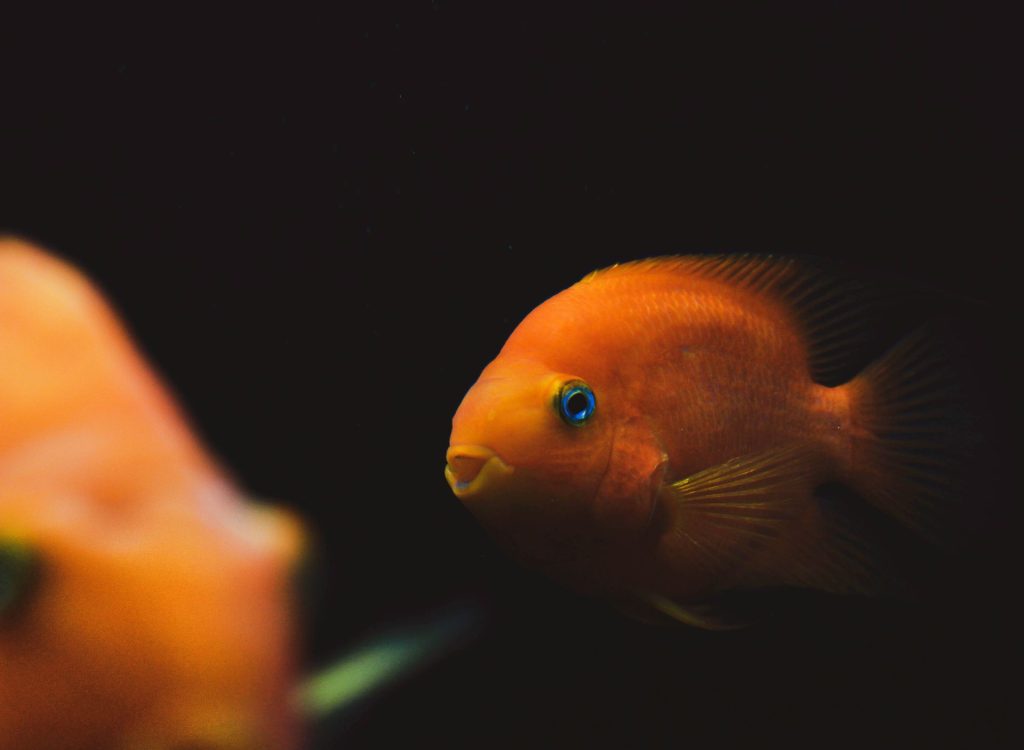
What Matters First During a Power Outage
Oxygen is a major early concern in a stocked aquarium because fish, invertebrates, and aerobic filter microorganisms all depend on it. Without pumps, surface movement falls and water inside some filters becomes stagnant.
Temperature becomes increasingly important when the room is much hotter or colder than the aquarium. Large volumes change temperature more slowly than small tanks, but prolonged outages can eventually move any aquarium toward room temperature.
Lighting is usually a lower short-term priority than aeration and temperature. Plants can tolerate a temporary dark period far better than livestock can tolerate severe oxygen shortage.
Prepare Backup Aeration
A battery-operated air pump with an airstone is one of the simplest emergency tools. Test it before an emergency, keep suitable batteries available, and know how long the unit runs in continuous or intermittent modes.
A USB air pump paired with a charged power bank can also provide emergency aeration if the devices are compatible. Do not wait for an outage to discover that a cable, connector, or battery no longer works.
If no powered aeration is available, manually disturbing the surface can provide temporary gas exchange, but it requires repeated attention and is not a substitute for a dependable backup during a long outage.
Protecting the Biological Filter
Different filters behave differently when power stops. Sponge filters remain submerged but lose airflow. HOB media may stay wet but no longer receives continuous oxygenated flow. Canister filters contain a closed volume of water that can become oxygen-depleted during a long outage.
Keep biological media wet and prioritize restoring oxygenated flow. Do not allow mature media to dry while troubleshooting equipment.
After a prolonged outage, inspect stagnant filters before simply pumping old low-oxygen water back into the display. The exact response depends on outage length, filter design, temperature, and organic load.
Keeping the Aquarium at a Safe Temperature
In cold weather, reduce heat loss by closing the room, keeping the aquarium away from drafts, and insulating the sides with blankets or other dry insulating material while leaving appropriate access for air exchange and monitoring.
In hot weather, the problem reverses. Warm water holds less oxygen, so aeration becomes even more important. Keep the room shaded and use safe backup circulation where available.
Avoid sudden temperature corrections. Adding very hot or very cold water can create a rapid swing that is more stressful than a gradual change.
Feeding During an Outage
Healthy adult fish can often tolerate a temporary reduction in feeding better than an aquarium can tolerate extra waste while filtration and oxygenation are limited. For a short outage, feeding is usually not the priority.
Fry and specialized animals may need a different plan because they rely on frequent food. Their emergency setup should be designed specifically for their needs rather than following a general adult-fish rule.
When power returns, do not compensate with an oversized meal. Resume normal feeding after confirming filtration, temperature, and water quality are stable.
Choosing Backup Power
A battery air pump is inexpensive and efficient because it powers only the function you need most. A larger power station or properly selected UPS may run additional equipment, but runtime depends on the actual wattage of connected devices.
Calculate expected demand before an emergency and prioritize equipment. Running a high-wattage heater can drain a small battery much faster than running an air pump.
Follow manufacturer electrical-safety instructions, keep connections dry, use drip loops, and never improvise unsafe mains wiring around aquarium water.
What to Do When Power Returns
Confirm that every filter and air pump restarts. Some HOB filters need priming, canisters may need attention, and electronic controllers may have reset schedules.
Check temperature, ammonia, and nitrite when the outage was long or filtration was compromised. Observe fish breathing and behavior before assuming the system has returned to normal.
Review what worked. Recharge batteries, replace used supplies, and update the emergency plan while the experience is fresh.
Frequently Asked Questions
What Is the Biggest Aquarium Risk During a Power Outage?
Loss of aeration and circulation is often an early concern, followed by temperature changes and reduced biological-filter performance.
Should I Feed Fish During a Power Outage?
For healthy adult fish, reducing or pausing feeding during a short outage can reduce waste. Fry and specialized species may require a different plan.
Will Beneficial Bacteria Die When the Filter Stops?
Aerobic filter microorganisms are stressed when oxygenated flow stops. Keep media wet and restore aeration or circulation as soon as practical.
Do Aquarium Lights Need Backup Power?
Usually aeration, filtration, and temperature are higher short-term priorities than lighting.
Is a Battery Air Pump Worth Keeping?
Yes. It is a simple way to maintain surface movement and oxygenation without using much backup power.
What Should I Check When Electricity Returns?
Verify filter restart, aeration, temperature, and—after a significant outage—ammonia and nitrite.
Can I Use a Blanket Around the Aquarium in Winter?
Dry insulation around the sides can slow heat loss, but keep electrical equipment safe and maintain necessary air access.