
Care Guide
Cold Weather Water Changes
In cold weather, tap water can be far colder than the tank, so warm and condition the replacement water until it is within 1 to 2 °C of the aquarium before adding it. Unplug the heater before lowering the water level, refill slowly, and watch the fish afterwards for signs of temperature stress.
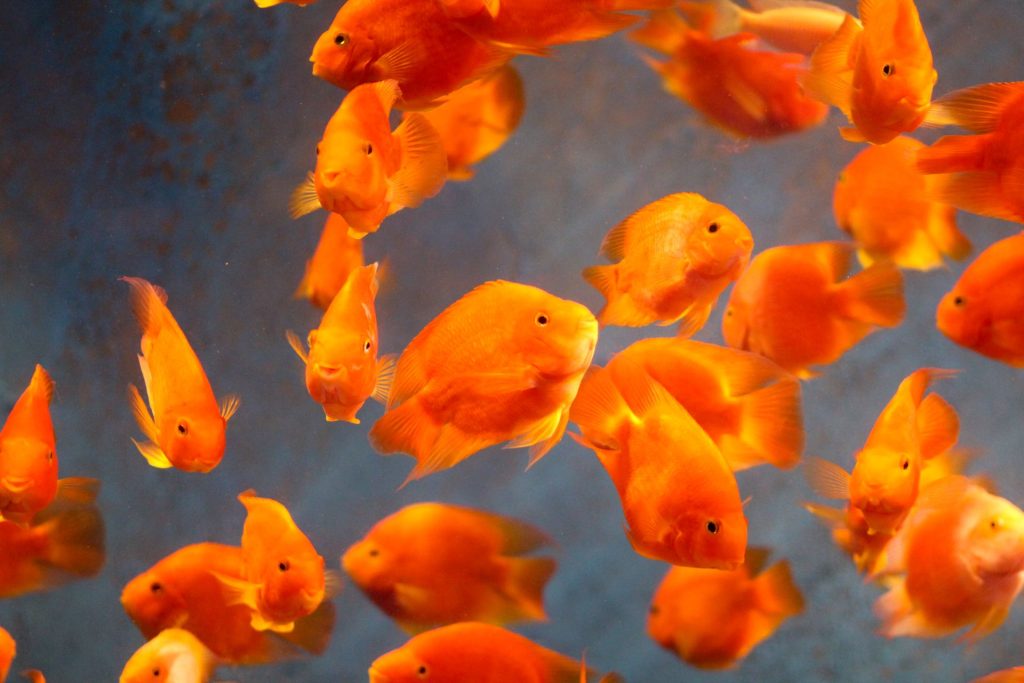
Why Cold Weather Changes Water-Change Planning
Cold tap water, cold rooms and cold pipes make winter water changes riskier than summer ones. Adding a large amount of water that is several degrees colder can drop the tank’s temperature quickly.
Tropical fish handle slow changes well but react badly to sudden ones, so the aim in winter is to keep the temperature steady while still changing water as usual.
Matching Replacement-Water Temperature
Bring the replacement water to within about 1 to 2 °C of the tank. Use a thermometer rather than your hand, because skin is a poor judge of small differences.
A big temperature swing can stress fish and weaken their resistance to disease, especially in tropical species and young fish.
Preparing Water During Cold Weather
Fill containers in advance and let them reach room temperature, warm them with a spare aquarium heater, or mix in kettle-warmed water. Avoid relying on the hot tap, because hot water systems can add metals such as copper from tanks and pipes.
Add water conditioner to remove chlorine and chloramine, and stir the container so the temperature and treatment are even before the water goes into the tank.
How to Perform the Water Change
Remove old water while vacuuming the substrate as usual, then add the replacement water slowly. Pouring it gently against a plate or through a hose prevents a cold layer from forming and avoids stirring up debris.
For large changes, check the tank’s temperature part way through and pause if it is dropping.
Protecting the Heater and Equipment
Switch off and unplug heaters before lowering the water level. A hot heater exposed to air can overheat or crack when cold water touches it later.
Wait until the heater is fully submerged again before switching it back on, and check it is running correctly once the tank is full. Keep filters primed and running so the biological bacteria stay active.
Signs of Temperature Stress
Watch the fish for an hour or two after the change. Rapid breathing, clamped fins, sluggish movement, loss of balance, or fish lying on the bottom or hiding can mean the temperature changed too much.
If you see these signs, check the thermometer, make sure the heater is working, and avoid adding more water until the temperature has stabilised.
Building a Safe Winter Maintenance Routine
Keep to your normal water-change schedule in winter, but plan for the extra time needed to warm water. In cold rooms, check that the heater is powerful enough, use a lid to reduce heat loss, and keep the tank away from draughty doors and windows.
A smaller water change is not necessary if the temperature is matched. What matters is that the tank stays warm and stable before, during and after the change.
Frequently Asked Questions
How Close Should Replacement-Water Temperature Be?
Within about 1 to 2 °C of the tank. Use a thermometer to check rather than judging by hand.
Can Cold Tap Water Shock Aquarium Fish?
Yes. Adding a large amount of cold tap water can drop the tank’s temperature quickly and stress fish, especially tropical species.
Should I Leave the Heater on During a Water Change?
No. Unplug the heater before lowering the water level, and switch it back on only once it is fully submerged again.
Can I Use Hot Tap Water to Warm Replacement Water?
It is better avoided. Hot water systems can add metals such as copper from tanks and pipes. Warm the water with a heater, let it stand indoors, or mix in kettle-warmed water instead.
Should Winter Water Changes Be Smaller?
Not if the temperature is matched. Keep to your usual schedule and volume, but allow time to warm the replacement water.
What Are Signs of Temperature Stress in Fish?
Rapid breathing, clamped fins, sluggish movement, loss of balance, hiding or lying on the bottom.
Does a Cold Room Change Aquarium Maintenance?
Yes. Cold rooms make the heater work harder, so check its capacity, use a lid, keep the tank away from draughts and allow more time to prepare water.