
July 23, 2026
Algae on Plant Leaves
Algae growing on aquarium plant leaves is frustrating because the leaf is both part of the display and a living surface that can be damaged by aggressive cleaning. The right response depends on the algae, the plant, and why growth is appearing there. Slow-growing Anubias may collect algae under strong light, while fast-growing stems can become coated when growth stalls because of unstable carbon, nutrient problems, or poor maintenance.
The useful question is not simply, “What kills this algae?” It is, “Why is algae gaining an advantage on these leaves?” Start by removing the worst growth gently, then review lighting, plant health, nutrients, carbon availability, circulation, and organic waste. Healthy new plant growth is the long-term target. Old leaves that are badly damaged may never look perfect again.
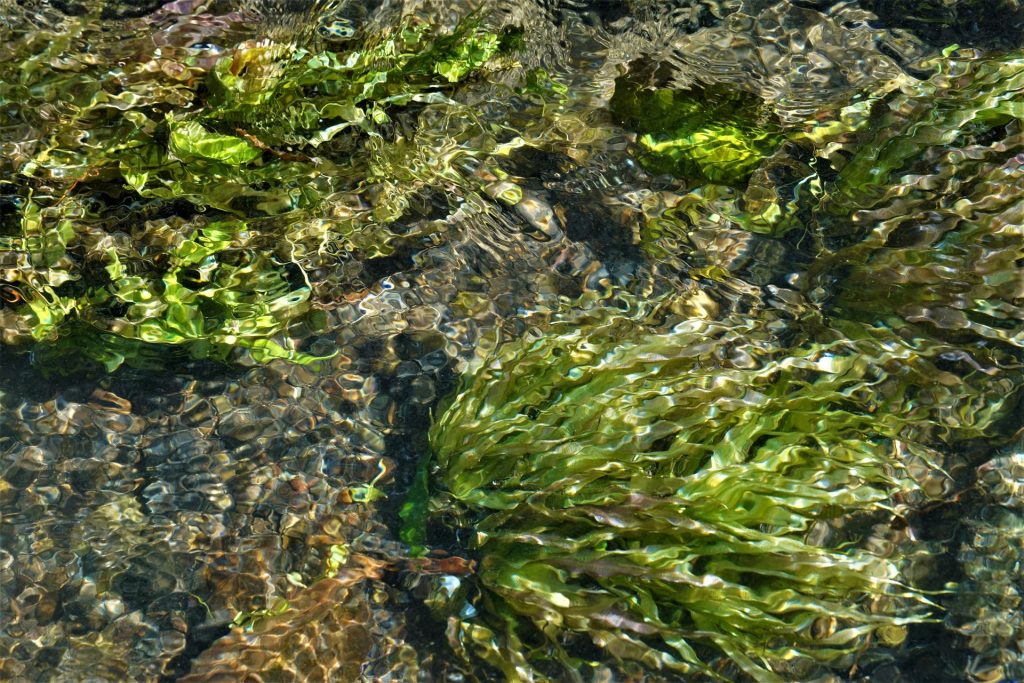
Why Algae Grows on Plant Leaves
Plant leaves provide illuminated surfaces where algae can attach. Older, slow-growing leaves remain in place for months and therefore have more time to collect algae than rapidly replaced growth.
When plants are growing poorly, they may be less able to use available light and nutrients efficiently. Algae can then become more visible, especially if lighting is intense or the photoperiod is long.
Debris settling on leaves can also create favorable local conditions. Weak circulation, overfeeding, dying plant material, and infrequent maintenance may contribute without being the only cause.
Leaf age is a valuable clue. If algae is concentrated on the oldest Anubias, Java fern, or Amazon sword leaves while fresh growth stays clean, the problem may be largely about long exposure under the light. If even brand-new leaves become coated quickly, look harder at stalled plant growth, excessive intensity, unstable CO2, or accumulated organic material. Also inspect the direction of flow. Fine debris that continually settles on one side of a plant can make those leaves look worse than identical leaves in a cleaner current. Comparing old and new growth prevents you from treating every spotted leaf as evidence of a whole-tank nutrient crisis.
Identify the Growth Pattern Before Treating
Green dust, hard green spots, brown coatings, short dark tufts, and long filaments do not behave identically. Exact identification can help, but beginners can still learn a great deal from where the algae grows and what changed before it appeared.
Note whether growth is concentrated near the light, on old leaves, in low-flow areas, or across the entire aquarium. Photograph the same area weekly so you can judge whether an adjustment is actually working.
Do not combine several chemical treatments simply because the algae name is uncertain. Begin with low-risk corrections that improve the aquarium overall.
Location can narrow the diagnosis even when you cannot name the algae confidently. Hard green dots directly under the brightest part of the fixture suggest a different situation from soft brown film in a recently established tank or dark tufts appearing on slow-growing leaf margins. Take close photographs before cleaning and note whether the growth wipes away, forms threads, or feels firmly attached. That record is useful because treatment changes the appearance. Once the leaves have been scrubbed and several products have been added, the original pattern is much harder to reconstruct. Accurate observation should come before aggressive treatment.
How to Clean Algae From Plant Leaves
For sturdy broad leaves, gently rub loose algae with clean fingers or a soft aquarium-safe tool while siphoning detached material. Avoid scraping so hard that the leaf surface is torn.
Trim leaves that are heavily damaged, dying, or so coated that recovery is unlikely. Remove only a reasonable amount at one time so the plant retains enough healthy tissue for photosynthesis.
Fine-leaved plants are harder to clean manually. Correcting the growth conditions and trimming affected tops or old sections is often more practical than trying to scrub individual leaves.
Work with the plant rather than against it. Support a broad leaf with one hand while gently wiping it so the petiole is not bent or torn. For plants attached to wood or stone, it is often easier to lift the entire removable hardscape into a container of aquarium water and clean it there. Avoid household brushes that may carry detergent or cleaning residue; keep tools dedicated to the aquarium. When a leaf is mostly dead, perforated, or densely covered, pruning it at the base is often better than repeated scrubbing. Remove leaves gradually if the plant has only a small amount of healthy foliage left.
Adjust Light Without Starving the Plants
Use a timer and keep the photoperiod consistent. If algae increased after a brighter fixture or longer schedule, reduce one lighting variable gradually and observe the response.
Slow-growing plants placed directly under intense light are common algae magnets. Shade-tolerant Anubias, Java fern, and Bucephalandra can often be moved lower or partially shaded rather than forcing the entire tank into darkness.
Light must match the aquarium’s carbon and nutrient supply. Increasing intensity can increase plant demand faster than the rest of the system can support.
Before reducing light, confirm the actual schedule. Manual switching often turns an intended seven-hour day into nine or ten hours because the light is switched on early and forgotten at night. A timer removes that variation. Also consider intensity at the leaf, not just fixture wattage: an Anubias tied near the surface can receive far more light than the same plant on the substrate. Moving a slow grower into partial shade may solve a local algae problem without depriving demanding stem plants elsewhere. After a change, keep the new setting stable for a few weeks so new leaves provide a fair comparison.
Plant Nutrition, CO2 and Growth
Do not assume algae means fertilizer is automatically too high. Nutrient-starved plants can become weak while algae remains capable of growing. Use a balanced fertilizer strategy appropriate to plant mass and water chemistry.
In CO2-injected aquariums, stable delivery is more important than occasional high levels. Poor circulation, inconsistent injection, or a clogged diffuser can create uneven growth and algae-prone areas.
Low-tech tanks can grow healthy plants without injected CO2 when species and light are chosen appropriately. Avoid pushing light beyond what the slower carbon supply can support.
Healthy plant growth requires several resources at the same time. Increasing fertilizer cannot compensate for insufficient carbon, and adding more CO2 cannot fix a severe nutrient shortage. In a non-injected aquarium, moderate light and suitable plant choices keep demand within what natural carbon supply can support. In an injected system, check that CO2 reaches the affected area while the lights are on rather than assuming the bubble counter proves good distribution. When changing fertilizer, use a known product and repeatable dose. The most useful result is not an immediate disappearance of old algae; it is stronger new growth that stays cleaner.
Can Shrimp, Snails or Fish Clean the Leaves?
Amano shrimp, some snails, Otocinclus, and other grazers may consume certain soft algae and biofilm, but no animal reliably cleans every algae type from every leaf.
Choose algae grazers only when their adult size, social needs, water chemistry, diet, and tank mates fit the aquarium. They are livestock, not disposable cleaning tools.
Grazers work best as maintenance helpers after the underlying imbalance is addressed. Adding more animals to an already overstocked tank can increase waste.
Think of grazers as specialists with preferences. Nerite snails are effective on many hard surfaces but cannot polish delicate leaves perfectly. Amano shrimp are excellent pickers of soft material yet may ignore hard green spots. Otocinclus browse biofilm and softer growth but require a mature tank and supplemental food. If you add an animal solely because algae appeared, you may be left caring for it long after that algae type is gone. A better approach is to choose a grazer you genuinely want to keep, confirm compatibility, and let its normal feeding behavior support the maintenance routine.
Preventing Algae From Returning to Leaves
Keep lighting consistent, remove dying leaves, maintain filter flow, feed accurately, and perform regular water changes. These routine actions reduce the swings that often accompany algae outbreaks.
Prune plants so lower leaves receive some circulation and light. Dense plant masses can trap debris and create shaded, stagnant areas even when the aquarium has a strong filter.
Judge success by cleaner new growth and slower algae return. A damaged old leaf is not the best measure of whether the aquarium has improved.
During weekly maintenance, turn leaves over and look beneath dense plant groups. Early algae is easier to wipe away than a thick established layer. Thin crowded stems so water can pass through them, remove loose dying leaves before they settle, and keep the filter output unobstructed. If one plant repeatedly becomes coated while the rest of the aquarium is clean, change that plant’s position or light exposure rather than redesigning the whole tank. Prevention becomes much easier once you identify whether the recurring weakness belongs to the aquarium as a whole or to one slow-growing plant in one difficult location.
Frequently Asked Questions
Why Does Algae Grow on My Plant Leaves?
Leaves provide lighted surfaces, especially older slow-growing leaves. Excess light, stalled plant growth, debris, and instability can increase growth. Use the newest leaves as your comparison point because old damage and established algae can remain visible after conditions improve. Use the newest leaves as your comparison point because old damage and established algae can remain visible after conditions improve. Use the newest leaves as your comparison point because old damage and established algae can remain visible after conditions improve.
Should I Remove Algae-Covered Leaves?
Trim leaves that are badly damaged, but keep enough healthy foliage for the plant to continue growing. Use the newest leaves as your comparison point because old damage and established algae can remain visible after conditions improve. Use the newest leaves as your comparison point because old damage and established algae can remain visible after conditions improve. Use the newest leaves as your comparison point because old damage and established algae can remain visible after conditions improve.
Can I Scrub Anubias Leaves?
Sturdy leaves can be cleaned gently, but aggressive scraping can damage the surface. Use the newest leaves as your comparison point because old damage and established algae can remain visible after conditions improve. Use the newest leaves as your comparison point because old damage and established algae can remain visible after conditions improve.
Does Algae Mean I Use Too Much Fertilizer?
Not necessarily. Weak nutrient-starved plants can also become algae-prone. Use the newest leaves as your comparison point because old damage and established algae can remain visible after conditions improve. Use the newest leaves as your comparison point because old damage and established algae can remain visible after conditions improve.
Will Amano Shrimp Clean Plant Leaves?
They graze some algae and biofilm but will not remove every algae type. Use the newest leaves as your comparison point because old damage and established algae can remain visible after conditions improve. Use the newest leaves as your comparison point because old damage and established algae can remain visible after conditions improve.
Should I Reduce Aquarium Light?
If light is excessive for the plant system, a measured reduction can help. Keep the schedule consistent. Use the newest leaves as your comparison point because old damage and established algae can remain visible after conditions improve. Use the newest leaves as your comparison point because old damage and established algae can remain visible after conditions improve.
How Do I Know the Problem Is Improving?
Look for healthier new plant growth and slower algae return after cleaning. Use the newest leaves as your comparison point because old damage and established algae can remain visible after conditions improve. Use the newest leaves as your comparison point because old damage and established algae can remain visible after conditions improve.
Algae on plant leaves is best treated as a clue about the growing environment, not simply as dirt to scrub away. Clean or prune affected leaves gently, then compare light, plant growth, nutrition, carbon, flow, and waste with the conditions that existed before the problem appeared. Give special attention to healthy new leaves. When new growth stays clean and strong, the aquarium is moving back toward balance.