
July 23, 2026
Yellow Aquarium Leaves
Yellow aquarium leaves are easy to notice and difficult to diagnose from color alone. A yellow leaf can be an old leaf reaching the end of its life, a plant adapting to submerged growth, a nutrient problem, damage from shading, or a sign that the species is not happy with the conditions you are providing.
The fastest way to make troubleshooting harder is to add several fertilizers and change the lighting at the same time. Instead, look at which leaves are affected, whether new growth is healthy, how quickly the change happened, and whether multiple plant species show the same pattern.
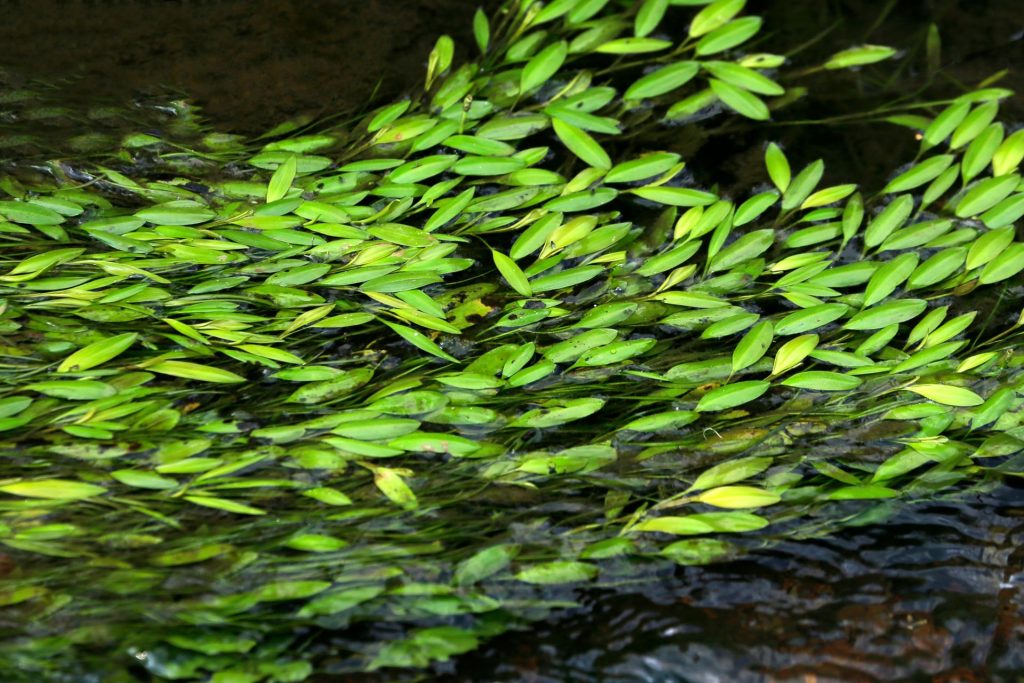
Why Do Aquarium Plant Leaves Turn Yellow?
Yellowing happens when green chlorophyll is reduced or leaf tissue is deteriorating. It can occur naturally as old leaves age or when plants lack resources or adapt to new conditions.
Are Old Leaves or New Leaves Yellow?
Start by identifying the affected growth. Problems beginning on old leaves can point toward different processes than problems appearing first on new growth. Look for holes, transparent tissue, twisting, or damaged edges too.
Normal Leaf Aging
An occasional lower leaf turning yellow while the growing tip remains healthy may be normal. Judge the plant by its overall trend rather than one leaf.
Transition from Emersed Growth
Many commercial aquarium plants are grown above water. When submerged, they may replace old emersed leaves with new leaves adapted to underwater conditions.
Nutrient Deficiency
Plants require nitrogen, phosphorus, potassium, iron, and other micronutrients. Different deficiencies can produce overlapping symptoms, so leaf color alone is not a reliable nutrient test.
Tropica notes that micronutrient shortage can produce pale leaves in Hygrophila difformis, but this does not mean every pale plant needs a large trace dose.
Why Old and New Leaves Can Point in Different Directions
Plants can move some nutrients from older tissue to new growth more easily than others. Deficiencies involving more mobile nutrients often become visible on older leaves first, while shortages of less mobile nutrients may show more clearly in new growth.
This is a clue rather than proof of one specific deficiency. Aquarium plants are also affected by light, CO2, water chemistry, root conditions, and interactions between nutrients, so use symptom location as part of a broader assessment.
Nitrogen and Older-Leaf Yellowing
Nitrogen deficiency is commonly associated with pale or yellow older growth because nitrogen can be moved within the plant. Review the complete nutrient routine before adding fertilizer.
Iron and Pale New Growth
Iron-related chlorosis is often discussed when newer leaves become pale, but similar symptoms can come from other micronutrient or water-chemistry issues. Do not diagnose from one photograph alone.
Lighting Problems
Heavily shaded leaves may decline, while very strong light can drive demand for carbon and nutrients faster than the tank can supply them. Match light to the plant species and system.
Root-Feeding Plants
Rosette and heavy root-feeding plants may benefit from nutrient availability in the substrate. Water-column fertilizer alone may not address every setup.
When Substrate Nutrition Matters
Heavy root feeders can exhaust a nutrient-poor substrate even when the water column receives fertilizer. Root tabs or nutrient-containing substrate can be useful for species that rely strongly on root uptake, but they should be used according to the plant and product rather than added everywhere without a plan.
Epiphytes attached to wood or rock rely more heavily on nutrients available from the water column and should not have their rhizomes buried.
Check Planting Technique
Rhizome plants such as Anubias and Microsorum should not have the rhizome buried in substrate. A buried rhizome can rot, causing yellowing and leaf loss that fertilizer will not fix.
Yellow Leaves and Algae Together
When plants are stressed or growing slowly, algae may take advantage of light and nutrients the plants are not using effectively. Treating the algae without improving plant growth can leave the underlying imbalance unchanged.
Review plant health, photoperiod, nutrient consistency, CO2 where used, and organic waste rather than assuming algae itself caused the yellowing.
How to Troubleshoot Yellow Leaves
- Identify the plant species.
- Check whether old or new leaves are affected first.
- Look for new submerged growth.
- Review light.
- Review fertilizer dose and consistency.
- Check CO2 if used.
- Inspect planting depth and roots.
- Change one major variable at a time.
Judge a Correction by New Growth
Old yellow leaves often remain yellow after the underlying problem is corrected. The better indicator is whether newly produced leaves emerge with healthier color and form.
This is why plant troubleshooting requires patience. Give a sensible adjustment time to show up in new tissue instead of making a different change every day.
When Several Plant Species Turn Yellow
If unrelated species begin declining at the same time, look for a system-wide change: lighting schedule, fertilizer routine, CO2 operation, temperature, water source, or a major maintenance event. A shared environmental cause becomes more likely than several unrelated species-specific problems appearing simultaneously.
Common Yellow-Leaf Mistakes
Adding every nutrient at once
You lose the ability to understand what changed.
Increasing light immediately
More light can increase nutrient and carbon demand.
Diagnosing from one old leaf
Normal aging is common.
Frequently Asked Questions
Why Are My Aquarium Plant Leaves Turning Yellow?
Possible causes include normal aging, emersed-to-submerged transition, nutrient shortage, shading, planting problems, or unsuitable conditions.
Does Yellowing Always Mean Iron Deficiency?
No. Several nutrient and non-nutrient problems can cause pale or yellow leaves.
Should I Cut Off Yellow Leaves?
Fully deteriorated leaves can usually be removed while healthy or recovering tissue remains.
Can Low Light Make Leaves Yellow?
Yes, especially on shaded older leaves, although excessive light can also create imbalance.
Why Are Only New Leaves Pale?
Pale new growth can point toward micronutrient availability or other growth problems, but it is not specific by itself.
Can New Plants Yellow After Planting?
Yes. Emersed-grown plants may lose old leaves while developing submerged growth.
Conclusion
Yellow leaves are a clue, not a complete diagnosis. Start by identifying which leaves are affected, whether the plant is newly submerged, and whether healthy new growth is appearing.
Review light, nutrients, planting technique, species requirements, and water conditions methodically. Make one meaningful change at a time so the plant can show whether the adjustment actually helped.
Sources
About Emerse Production of Aquarium Plants — Tropica: Explains that many aquarium plants grow both above and below water and can change leaf form as they adapt to submerged conditions.
Hygrophila difformis — Tropica: Notes that micronutrient shortage can cause pale leaves, supporting nutrient-deficiency troubleshooting.
The Right Start With Your Aquarium — Tropica: Provides planted-aquarium guidance on nutrition, fertilizers, planting, and common plant-care questions.
Planting in the Aquarium — Tropica: Explains correct placement of rhizome plants, mosses, floating plants, and other aquarium plant forms.