
Cornerstone Guide
Beginner’s Guide to Freshwater Aquariums
Setting up your first freshwater aquarium is exciting, but it can also feel like there’s a lot to learn at once. Filters, cycling, water tests, fish compatibility—suddenly a simple fish tank starts sounding like a science project. The good news is that you don’t need to learn everything on day one.
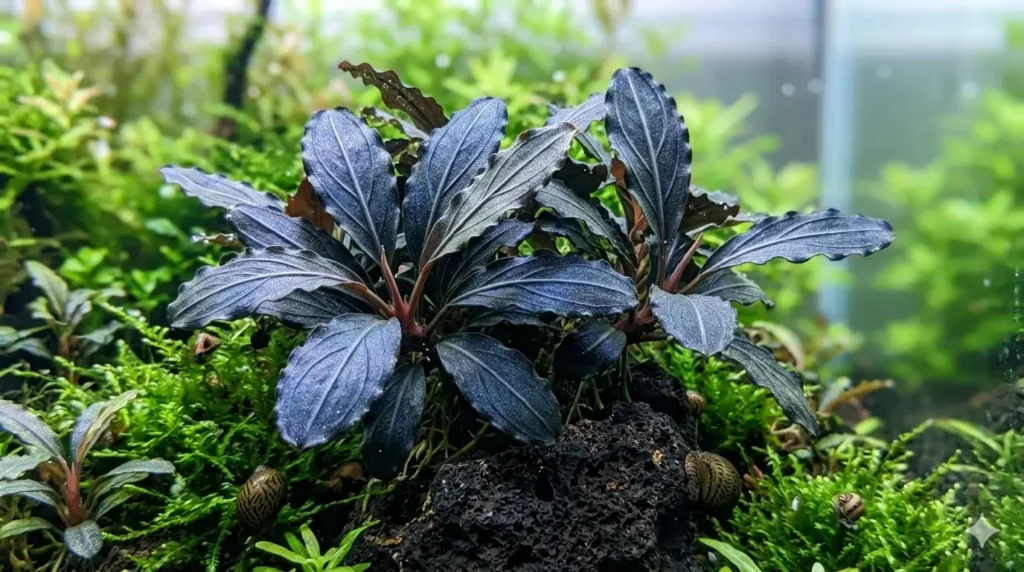
A healthy aquarium starts with a few basics: choose fish that suit your tank, get the right equipment, prepare the water properly, give the aquarium time to cycle, and build a simple maintenance routine. Once those pieces are in place, everything becomes much easier to understand.
This beginner’s guide walks you through that process from an empty tank to a healthy freshwater community aquarium.
What Is a Freshwater Aquarium?
A freshwater aquarium is a tank designed for fish, plants, and other aquatic life that live in freshwater rather than saltwater.
Freshwater tanks come in all shapes and styles. Some people create heavily planted aquariums, while others prefer simple community tanks with a few easy-to-care-for fish. There’s no single “correct” way to build one.
For someone new to fishkeeping, a straightforward community aquarium is often a good place to begin. The goal is to choose species with similar needs that can comfortably share the same environment.
It also helps to stop thinking of the aquarium as simply a glass box filled with water. It’s a small living system. Fish produce waste, bacteria help process that waste, the filter keeps water moving, and regular maintenance prevents unwanted substances from building up.
Once you understand that basic idea, a lot of aquarium care starts to make sense.
What Do You Need to Start a Freshwater Aquarium?
You don’t need every gadget in the aquarium aisle. Start with the equipment that actually helps you maintain a stable environment.
A typical beginner setup includes:
- An appropriately sized aquarium
- A filter suited to the tank
- A heater if your chosen fish require one
- A thermometer
- Aquarium lighting
- Water conditioner
- A reliable water-testing kit
- Sand, gravel, or another suitable substrate
- Aquarium-safe plants and decorations
- A siphon or gravel-cleaning tool
- A bucket or other equipment kept specifically for aquarium maintenance
- Food appropriate for the fish you plan to keep
The exact shopping list depends on your fish. That’s why it’s worth deciding what you’d eventually like to keep before buying everything.
For example, many tropical fish need heated water, while other freshwater species prefer cooler conditions. Some fish need plenty of open swimming room, while others appreciate plants, caves, or hiding places.
Researching the animals first can save you from buying equipment—or even an entire aquarium—that doesn’t suit them.
Choosing the Right Tank
It’s tempting to assume that a tiny aquarium will be easier to look after. After all, there’s less water and less glass to clean.
In practice, very small tanks can be surprisingly unforgiving. Because they hold less water, changes in temperature and water quality can happen more quickly. A larger volume of water generally gives you a little more room for error, although bigger tanks obviously need more space and cost more to set up.
Rather than choosing a tank based only on what fits on a desk or shelf, think about the adult needs of the fish you want.
Before buying a species, find out:
- How large does it grow?
- Does it need to live with others of its own kind?
- How active is it?
- Is it peaceful or territorial?
- What temperature does it prefer?
- What type of water does it naturally suit?
- Will it get along with the other fish you’re considering?
One common beginner mistake is planning around the size of fish at the store. Many are juveniles and may look completely different in terms of size or behavior once mature.
Always plan for the adult fish.
Where Should You Put Your Aquarium?
Choose the aquarium’s location before you fill it. Even a modest tank becomes extremely heavy once you add water, substrate, rocks, and decorations.
The aquarium needs a stable, level surface designed to support its filled weight. You’ll also want enough room around it to feed the fish, clean the glass, service the filter, and carry out water changes without turning maintenance into a gymnastics routine.
Direct sunlight is usually best avoided because it can contribute to unwanted algae growth and temperature changes. Locations next to radiators, heaters, air-conditioning vents, or frequently opened exterior doors can also make temperatures harder to keep stable.
Nearby electrical outlets are useful for the filter, lighting, and heater. Set up electrical equipment according to the manufacturer’s safety instructions and keep water and electrical connections in mind when arranging cables.
How to Set Up a Freshwater Aquarium
Once you have the tank and equipment, you can start putting everything together. There’s no need to rush this part. In fact, patience now can prevent a lot of frustration later.
1. Decide What Fish You Want to Keep
Start with research rather than shopping.
Look at the adult size, temperament, preferred temperature, social needs, diet, water requirements, and compatibility of any species you’re considering.
You don’t have to choose every future fish immediately. You just need a sensible idea of what kind of community you’re building.
2. Put the Empty Tank in Position
Place the aquarium on its stand and make sure everything is stable and level before adding water.
This is also a good time to check that you can comfortably reach the filter and other equipment for future maintenance.
3. Add Your Substrate and Decorations
Add your chosen sand or gravel, followed by plants, rocks, wood, caves, or other aquarium-safe decorations.
Try to think about the fish rather than decorating purely for appearance. Shy species may appreciate sheltered areas, while active swimmers need enough open space to move comfortably.
4. Install the Equipment
Set up the filter, heater if needed, thermometer, and lighting. Follow the instructions supplied with each piece of equipment, especially when positioning heaters and filters.
5. Fill the Aquarium and Condition the Water
Tap water is commonly used in freshwater aquariums, but municipal water may contain chlorine or chloramine. These disinfectants are useful for drinking-water systems but can be harmful to fish and interfere with the microorganisms your aquarium relies on.
Use an appropriate aquarium water conditioner when required for your water supply.
6. Set the Temperature
If your fish require heated water, allow the aquarium to reach an appropriate and stable temperature.
There isn’t one perfect temperature for every freshwater fish. The right setting depends on the species you plan to keep.
7. Start the Filter
Once the tank is filled, get the filtration system running as directed by the manufacturer.
Your filter does more than catch visible debris. It also provides an important home for beneficial microorganisms involved in biological filtration.
8. Cycle the Aquarium
This is the step beginners are often tempted to skip.
A brand-new aquarium may look clean and ready for fish, but looks can be misleading. The tank still needs time to develop the biological filtration that helps process waste.
That process is usually called cycling the aquarium.
Understanding the Aquarium Nitrogen Cycle
You don’t need a chemistry degree to understand aquarium cycling. The basic idea is fairly simple.
Fish waste, uneaten food, and decaying organic material contribute nitrogenous waste to the aquarium. One of the compounds you need to watch is ammonia, which is toxic to fish.
As biological filtration becomes established, microorganisms convert ammonia into nitrite. Nitrite is also toxic. Other microorganisms then convert nitrite into nitrate.
A simplified version looks like this:
Waste → ammonia → nitrite → nitrate
Nitrate is generally less toxic than ammonia and nitrite, but that doesn’t mean you can forget about it. It can accumulate over time and is one reason regular aquarium maintenance and partial water changes are important.
The useful microorganisms involved in this process grow on surfaces throughout the aquarium, with filter media providing an especially important habitat.
How Do You Know When Your Aquarium Is Cycled?
Don’t judge cycling by how long the aquarium has been running or by how clear the water looks.
Use water tests.
During fishless cycling, you can monitor ammonia, nitrite, and nitrate to see how the biological filter is developing. The goal is to establish a system that can process the expected waste without ammonia or nitrite accumulating.
You’ll sometimes see aquarium cycling described as something that takes a fixed number of days. It’s better not to treat that number like a countdown timer. How quickly biological filtration develops depends on the aquarium and cycling method, among other conditions.
Give the tank the time it needs and let your test results guide you.
Water Quality: What Beginners Actually Need to Know
One of the most useful habits you can develop as a fishkeeper is testing the water instead of trying to diagnose everything by sight.
Crystal-clear water isn’t automatically healthy water. Ammonia and nitrite, for example, aren’t problems you can spot just by looking through the glass.
| Parameter | Why It Matters |
|---|---|
| Temperature | Different fish have different temperature requirements. |
| Ammonia | A toxic waste compound that should not be allowed to accumulate. |
| Nitrite | A toxic compound produced during the nitrogen cycle. |
| Nitrate | Can build up over time and helps indicate when maintenance may be needed. |
| pH | Shows how acidic or alkaline the water is. |
| Hardness and alkalinity | Can influence which species are well suited to your water. |
There is no single “perfect” pH, hardness, or temperature that works for every freshwater aquarium.
A better question is: Are these conditions suitable for the fish I keep?
That distinction matters. Constantly adjusting the water to chase a number you found online can sometimes create more instability than simply choosing fish suited to your local water conditions.
Choosing Fish for a Freshwater Community Aquarium
This is where the fun really begins—but it’s also where a little restraint goes a long way.
A freshwater community tank works best when its residents have compatible needs. Two species can both be labeled “beginner fish” and still be poor tank mates.
Check the following before combining fish:
- Adult size
- Temperature requirements
- Preferred water conditions
- Social and schooling needs
- Activity level
- Territorial behavior
- Diet
- Swimming space
- Compatibility with other planned species
Be particularly careful with species that need to live in groups. Buying one fish because you like the way it looks may not meet that animal’s social needs.
Be Careful With Simple Stocking Formulas
You may come across rules that try to calculate stocking based only on fish length and tank volume. They sound convenient, but fish aren’t interchangeable units.
A slim, peaceful schooling fish has very different space, behavior, and waste considerations from a bulky or highly territorial fish of the same length.
Stocking decisions should take adult size, body shape, behavior, swimming needs, group size, filtration, and water quality into account.
For your first community tank, keeping things simple is usually the easier route. A few carefully researched species can be much more enjoyable than trying to fit every fish you like into one aquarium.
Adding Fish Without Rushing the Tank
Once the aquarium is cycled and the water conditions suit your planned livestock, you can start adding fish.
The key word is start.
Avoid buying your entire stocking list in one trip. Adding many fish at once means adding a lot more waste at once, and the aquarium’s biological filtration needs to keep up with that change.
Add livestock gradually and continue checking water quality as the aquarium develops.
New fish can also bring pathogens into an established aquarium. Dedicated quarantine systems are commonly used by experienced fishkeepers to observe new arrivals separately before they enter the main tank.
When introducing fish, use an acclimation approach appropriate for the species and follow reliable guidance from the seller or an aquatic veterinary professional when needed. Avoid sudden changes in temperature and water conditions.
How Much Should You Feed Your Fish?
There isn’t one feeding rule that works for every freshwater species.
Fish have different diets, feeding behaviors, and nutritional needs, so choose food that suits the animals you actually keep.
The beginner mistake to watch for is overfeeding.
Extra food doesn’t simply disappear. Uneaten food can break down in the aquarium and add to the waste the system needs to process.
Watch your fish while they eat and pay attention to leftovers. In a community aquarium, remember that different species may feed in different parts of the tank. Surface feeders, midwater fish, and bottom-dwelling species may not all compete for food in the same way.
A Simple Freshwater Aquarium Maintenance Routine
Maintenance sounds like work, but once you have a routine it becomes one of the easiest parts of fishkeeping.
You’re not trying to make the aquarium sterile. You’re simply keeping conditions stable and preventing waste from accumulating.
Every Day
- Look at your fish and notice any unusual behavior or appearance.
- Check the temperature.
- Make sure the filter, heater, and other essential equipment are working.
- Feed appropriately and watch for excessive leftovers.
Regularly
- Test important water parameters.
- Remove unwanted algae when necessary.
- Trim or remove dying plant material.
- Check that the filter is flowing normally.
During Routine Maintenance
- Carry out partial water changes based on the needs of the aquarium.
- Remove accumulated debris where appropriate.
- Maintain filter components according to the manufacturer’s instructions.
- Condition replacement tap water when required.
- Avoid sudden temperature differences when replacing water.
A partial water change is not the same thing as emptying the aquarium and scrubbing everything clean.
Your tank contains beneficial microorganisms that contribute to biological filtration. Avoid unnecessarily sterilizing the aquarium or replacing all established biological filter media at the same time.
Common Freshwater Aquarium Mistakes
Most beginners make a few mistakes. Knowing the common ones beforehand simply makes them easier to avoid.
Putting Fish in an Uncycled Tank
A freshly filled aquarium may look ready, but biological filtration still needs to become established.
Instead: Cycle the aquarium and use water tests to monitor progress before normal stocking.
Buying Too Many Fish at Once
It’s hard to walk past a wall of colorful aquarium fish and leave with only a few. But suddenly adding a large amount of livestock also suddenly increases waste production.
Instead: Build your community gradually and monitor the water as you go.
Choosing Fish Because They Look Nice Together
Appearance tells you almost nothing about compatibility.
Instead: Compare adult size, temperament, group requirements, temperature, water conditions, and behavior before buying.
Feeding Too Much
More food isn’t necessarily better care.
Instead: Feed an appropriate diet and portion while keeping an eye on uneaten food.
Assuming Clear Water Means Good Water
Some of the most important water-quality problems are invisible.
Instead: Keep a water-testing kit and use it.
Planning Around Juvenile Fish Size
That tiny fish in the store may have plenty of growing left to do.
Instead: Research adult size before deciding whether a species belongs in your aquarium.
Cleaning Everything Too Thoroughly
A healthy aquarium isn’t supposed to be sterile.
Instead: Maintain the tank in stages and protect the biological filtration that helps keep the system stable.
Trying to Create “Perfect” Water
There’s no universal pH or hardness that every freshwater fish prefers.
Instead: Learn what your species need and aim for appropriate, stable conditions.
Freshwater Aquarium FAQs
How Long Does a Freshwater Aquarium Need to Cycle?
There isn’t a reliable fixed number of days. Establishing biological filtration commonly takes several weeks, but the actual time varies. Use ammonia and nitrite testing to judge how the cycle is progressing rather than relying only on the calendar.
Can I Put Fish in a Brand-New Aquarium?
A newly filled aquarium generally hasn’t developed the biological filtration needed to process fish waste effectively. Fishless cycling lets that system develop before the tank is normally stocked.
Does Every Freshwater Aquarium Need a Filter?
Most conventional beginner freshwater aquariums use filtration. Besides helping remove debris and move water, the filter provides valuable surface area for the microorganisms involved in biological filtration.
How Many Fish Can I Keep in My Aquarium?
There isn’t a universal answer based only on tank volume. Adult fish size, activity, social requirements, territorial behavior, filtration, water quality, and compatibility all matter. Research the needs of each species instead of relying on a single stocking formula.
Is a Small Aquarium Easier to Maintain?
Not always. Small tanks take up less room, but their lower water volume means conditions can change more quickly. Choose a tank that you can comfortably maintain while still providing enough space for the adult fish you want to keep.
What Water Tests Should a Beginner Buy?
Ammonia, nitrite, nitrate, and pH are useful starting points, along with a reliable thermometer for temperature. Depending on your water supply and the fish you keep, hardness and alkalinity tests may also be useful.
How Often Should Beginners Test Aquarium Water?
Test frequently while a new aquarium is cycling and continue monitoring after livestock is introduced. An established, stable tank may not require the same testing frequency, but it’s sensible to test again whenever something changes or the fish appear unwell.
Can I Use Tap Water in My Fish Tank?
Tap water is commonly used, but municipal supplies may contain chlorine or chloramine. When present, these should be treated with an appropriate aquarium water conditioner before the water is used with fish or an established biological system.
How Often Should I Change the Aquarium Water?
There isn’t one schedule that suits every tank. Stocking level, feeding, aquarium size, plants, source water, nitrate accumulation, and other factors can all affect the maintenance routine. Regular testing helps you understand how your particular aquarium behaves.
Do Freshwater Fish Need a Heater?
It depends on the species. Many popular tropical fish need heated water, while some freshwater species are suited to cooler conditions. Research your fish before choosing a temperature or buying a heater.
Does Every Freshwater Aquarium Need a Filter?
Most conventional beginner freshwater aquariums use filtration. Besides helping remove debris and move water, the filter provides valuable surface area for the microorganisms involved in biological filtration.
Can I Put Fish in a Brand-New Aquarium?
A newly filled aquarium generally hasn’t developed the biological filtration needed to process fish waste effectively. Fishless cycling lets that system develop before the tank is normally stocked.
Start Simple and Give the Aquarium Time
Your first freshwater aquarium doesn’t need to be elaborate to be successful.
Choose fish carefully, build the tank around their needs, prepare the water, establish biological filtration, and let your test results tell you when the aquarium is ready. Once fish are introduced, add them gradually and pay attention to how both the animals and the water respond.
And when something doesn’t look right, resist the urge to immediately add a product or make several changes at once. Check the equipment, observe the fish, and test the water first.
That habit alone can save you a lot of guesswork.
With time, you’ll get to know what “normal” looks like in your own aquarium. That’s when fishkeeping starts feeling less like following instructions and more like understanding the little ecosystem sitting in front of you.