
Cornerstone Guide
Choosing Your First Aquarium
Choosing your first aquarium is one of the most exciting parts of getting into fishkeeping. It’s also where a little planning can save you from problems later.
Many beginners start by looking for the smallest or cheapest tank available. That makes sense at first—a small aquarium looks easier to fill, clean, and fit into your home. But smaller doesn’t always mean easier. A small volume of water can change more quickly, and your choice of fish becomes much more limited.
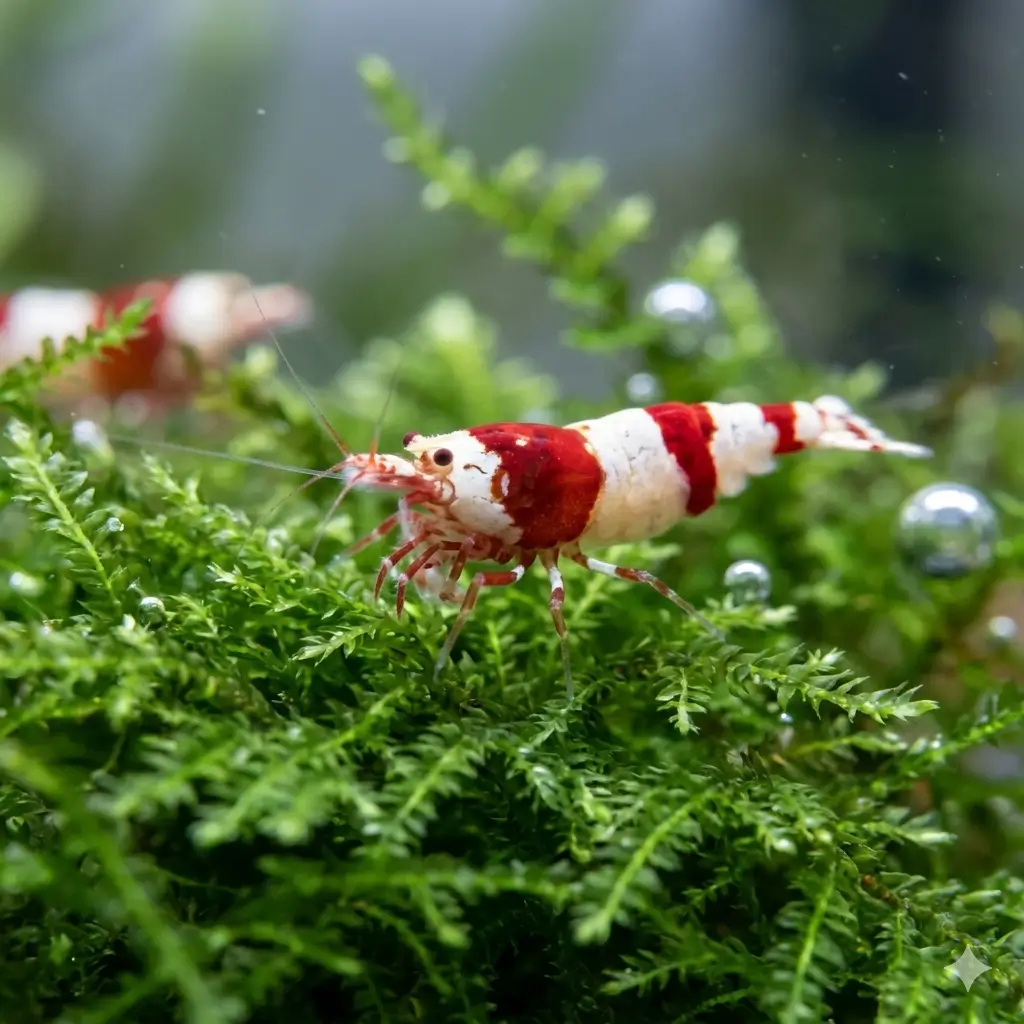
A better approach is to think about the fish you’d like to keep, how much room you have, and how much maintenance you can comfortably manage. Your first aquarium doesn’t need to be huge or expensive. It simply needs to provide enough space and suitable conditions for the animals that will live in it.
What Size Aquarium Is Best for Beginners?
There isn’t one perfect aquarium size for every beginner.
The right size depends on the fish you plan to keep, the space available in your home, your budget, and how much maintenance you’re comfortable doing.
One thing that often surprises new fishkeepers is that very small aquariums aren’t necessarily easier to maintain. With less water, changes in temperature and water chemistry can happen more quickly. Larger water volumes generally provide more dilution and can be more forgiving of small changes.
That doesn’t mean you should buy the biggest aquarium you can find. Larger tanks are heavier, need more equipment, use more water during maintenance, and usually cost more to set up.
Instead of looking for a universal “beginner size,” choose a tank that gives your planned fish enough room while still being practical for you to maintain.
Choose Your Fish Before Your Tank
This may sound backward, but it can prevent one of the most common beginner problems.
Before buying an aquarium, make a short list of fish you might eventually like to keep. You don’t need to decide on every fish right away. The goal is simply to understand what kind of aquarium those species will need as adults.
For each species, look at:
- Adult size
- Minimum recommended aquarium space
- Activity level
- Social or schooling requirements
- Territorial behavior
- Preferred temperature
- Water requirements
- Compatibility with other fish
For example, a fish may look tiny at the store because it is still young. If you choose the aquarium based on its current size rather than its adult needs, you may end up with a tank that becomes unsuitable later.
Planning around the fish first makes choosing the aquarium much easier.
Why Small Aquariums Can Be Challenging
A tiny aquarium can look like the perfect beginner setup. It costs less, fits almost anywhere, and doesn’t require many gallons of water.
But there’s a trade-off.
Because a small tank contains less water, changes can have a greater effect on the overall system. Excess food, accumulated waste, evaporation, or a temperature change can become noticeable more quickly than they might in a larger volume of water.
Small aquariums also limit your stocking choices. Some fish need groups, others need considerable swimming room, and many species simply become too large for a small tank.
A small aquarium can absolutely work when it is stocked appropriately and maintained carefully. It just shouldn’t be chosen because you assume it will require less knowledge or attention.
Think About Adult Fish Size
When you see fish in a store, you are often looking at juveniles rather than fully grown adults.
That small fish may stay small—or it may grow much larger than you expect.
Before deciding whether a species fits your aquarium, look up its expected adult size from a reliable source. Then go a little further and learn about its behavior.
Size alone doesn’t tell the whole story. An active fish that spends most of its time swimming may need more open space than a less active species of similar length. Territorial species may need enough room to establish areas without constantly competing with tank mates.
Plan for the fish you will have later, not just the fish you see today.
Consider How Many Fish Need to Live Together
Some freshwater species are social and should be kept with an appropriate number of their own kind.
This matters when choosing aquarium size because you need to plan for the whole group, not one individual fish.
A species might appear small enough for your aquarium when you look at a single fish. Once you account for its social requirements and swimming space, the picture can change considerably.
Avoid choosing a schooling or social species with the idea that you’ll simply keep one because the aquarium is small.
Research the recommended social arrangement for each species and include the full group in your stocking plan before deciding whether the tank is suitable.
Aquarium Shape Matters Too
Tank volume gets most of the attention, but aquarium shape can matter as well.
Two aquariums can hold a similar amount of water while providing very different swimming areas.
Many active fish benefit from horizontal swimming room, which can make a longer aquarium more appropriate than a tall, narrow tank of similar volume.
Other species spend more time near the bottom, making the tank’s footprint particularly relevant. Territorial fish may also benefit from enough horizontal space for separate areas and hiding places.
Choose the shape of the aquarium with the natural behavior of your planned fish in mind rather than judging the tank by water volume alone.
Glass vs. Acrylic Aquariums
Most beginners will encounter aquariums made from either glass or acrylic. Both can work well, but they have different characteristics.
Glass Aquariums
Glass tanks are widely available and generally resist scratching better than acrylic. They are familiar to most fishkeepers and come in a large range of standard sizes.
The trade-off is weight. Glass aquariums can become quite heavy even before water, substrate, rocks, and equipment are added.
Acrylic Aquariums
Acrylic is lighter than glass and can be formed into shapes that are harder to create with traditional glass panels.
However, acrylic surfaces generally scratch more easily, so cleaning tools need to be chosen and used carefully.
For a typical first freshwater aquarium, either material can work. Tank dimensions, construction quality, suitable support, and whether the aquarium meets the needs of your fish matter more than choosing one material simply because it is considered more advanced.
Aquarium Kits vs. Buying Equipment Separately
Beginner aquarium kits can be convenient because several basic pieces of equipment are packaged together.
A kit may include the aquarium, lid, lighting, filter, and sometimes other accessories. This can simplify shopping when you’re not yet familiar with all the equipment.
The downside is that included equipment may not always be the best match for the particular fish or aquarium you want to create.
Before buying a kit, look at what is actually included rather than assuming the box contains everything you’ll need.
Ask yourself:
- Is the filter appropriate for the aquarium?
- Does it include a heater, and do my planned fish need one?
- Is the lighting suitable for the plants I want?
- Will I still need a thermometer?
- Do I need to buy water conditioner and a test kit separately?
- Are replacement filter components readily available?
A kit can be a good starting point, but think of it as a bundle of equipment rather than a guarantee that nothing else is required.
Choose the Right Aquarium Stand
Water is heavy, and the weight of an aquarium includes much more than the water itself.
You also have the tank, substrate, rocks, wood, equipment, and decorations. Once everything is added, even a moderately sized aquarium can place a substantial load on its stand.
Use a stable, level stand or supporting surface designed to safely handle the aquarium’s filled weight and dimensions.
Don’t assume an ordinary desk, dresser, shelf, or piece of furniture is suitable simply because the empty aquarium fits on top.
The aquarium should be supported according to the tank manufacturer’s requirements.
Where to Place Your First Aquarium
Deciding where the aquarium will live is best done before you fill it.
Once water, substrate, rocks, and equipment are inside, moving the tank becomes much more difficult.
Look for a location that is:
- Stable and level
- Away from strong direct sunlight
- Away from major temperature fluctuations
- Close enough to suitable electrical outlets
- Accessible for feeding and maintenance
- Practical for carrying out water changes
Direct sunlight can encourage unwanted algae and may contribute to temperature changes. Areas beside heaters, radiators, air-conditioning vents, or frequently opened exterior doors may also make temperature control more difficult.
Think about maintenance as well. An aquarium squeezed into a beautiful but inaccessible corner may become frustrating when you need to reach the filter or use a siphon.
Plan for Maintenance Before Buying
Every aquarium requires maintenance, so think about how you’ll actually care for the tank before choosing its size and location.
Ask yourself a few practical questions:
- Can I comfortably reach the bottom of the aquarium?
- Can I access the filter without moving furniture?
- Where will I put a bucket during water changes?
- How far is the aquarium from a suitable water source?
- Can I safely reach the lighting and other equipment?
A tank that is convenient to maintain is much easier to enjoy over the long term.
This is especially important for beginners because complicated maintenance can turn a hobby you were excited about into something you keep putting off.
Think About the Total Aquarium Budget
The aquarium itself is only part of the cost of setting up your first tank.
Depending on your planned fish and setup, you may also need:
- A suitable stand
- A filter and filter media
- A heater
- A thermometer
- Lighting
- A lid or cover
- Substrate
- Plants and decorations
- Water conditioner
- Water-testing supplies
- A siphon and maintenance equipment
- Fish food
- The fish themselves
There will also be ongoing costs such as food, replacement equipment when necessary, water treatments where appropriate, and electricity.
It’s usually better to choose a manageable aquarium and equip it properly than to spend most of your budget on the tank itself and have very little left for filtration, testing, and other essentials.
New vs. Used Aquariums
A used aquarium can sometimes be a practical way to reduce setup costs, but it needs to be inspected carefully.
Look for chips, cracks, damaged frames, questionable seams, heavy scratching, or other signs of damage. Find out how the tank was previously used if possible.
If you are unsure whether a second-hand aquarium is structurally sound, the lower purchase price may not be worth the uncertainty.
Used equipment also deserves inspection. A filter or heater that looks fine externally may still need replacement or servicing.
For a first aquarium, simplicity has value. Buying equipment you can trust and understand may be worth more than getting the lowest possible setup price.
Avoid Choosing an Aquarium Only for Appearance
Aquariums are decorative objects, so naturally you want one that looks good in your home.
Just don’t let appearance become the only consideration.
An unusually shaped aquarium may look impressive but provide less useful swimming room. A tiny desktop tank may fit your room perfectly but severely restrict your choice of fish. A tall aquarium may create maintenance challenges if you cannot comfortably reach the bottom.
Start with the needs of the animals and the practical realities of maintenance. Once those requirements are met, you can focus on creating an aquarium that looks great too.
Questions to Ask Before Buying Your First Aquarium
Before making the purchase, run through this quick checklist:
- Which fish am I interested in keeping?
- How large will those fish become?
- Do any of them need to live in groups?
- Does the tank provide suitable swimming space?
- Can the aquarium fit comfortably in my home?
- Do I have a suitable stand?
- Can I easily reach the tank for maintenance?
- What filtration will I need?
- Will my fish require a heater?
- Can I afford the complete setup rather than just the tank?
- Do the species I want have compatible requirements?
If you can answer those questions before buying, you’re already avoiding several of the problems that catch new aquarium owners by surprise.
Choosing Your First Aquarium FAQ
What Size Aquarium Should a Beginner Get?
There is no single aquarium size that is best for every beginner. Choose a tank large enough for the adult size, activity, social needs, and number of fish you plan to keep while making sure the aquarium remains affordable and practical for you to maintain.
Is a Small Aquarium Easier for Beginners?
Not necessarily. Small aquariums take up less space, but their lower water volume means temperature and water-quality conditions can change more quickly. They also limit the number and types of fish you can keep.
Should I Choose the Aquarium or Fish First?
It helps to research the fish first. You don’t need a final stocking list, but knowing the adult size, behavior, group requirements, and environmental needs of the species you like will help you choose a suitable aquarium.
Is a Longer Aquarium Better Than a Tall Aquarium?
It depends on the species. Many active fish benefit from horizontal swimming room, while bottom-dwelling and territorial species may also benefit from a larger footprint. Aquarium shape should be considered alongside total water volume.
Are Aquarium Starter Kits Good for Beginners?
They can be convenient, especially when they include several pieces of essential equipment. Check exactly what is included and whether the filter, lighting, heater, and other components are appropriate for the aquarium you plan to create.
Can I Put an Aquarium on Regular Furniture?
Do not assume ordinary furniture can safely support an aquarium. A filled tank is very heavy and needs a stable, level surface capable of supporting its complete weight according to the aquarium manufacturer’s requirements.
Should an Aquarium Be Placed Near a Window?
Strong direct sunlight is generally best avoided because it can contribute to algae growth and temperature changes. A location with more controllable lighting and temperature is usually easier to manage.
Should Beginners Buy a Used Aquarium?
A used tank can be a practical option if it is in good condition, but inspect it carefully for cracks, chips, damaged seams, frame problems, and other signs of wear. If you are uncertain about its condition, a new aquarium may provide more peace of mind for a first setup.
What Equipment Do I Need With My First Aquarium?
The exact equipment depends on your fish, but a typical freshwater setup may include filtration, lighting, a heater when required, a thermometer, water conditioner, water-testing supplies, substrate, suitable decorations or plants, and basic maintenance equipment.
Should I Buy Fish on the Same Day as the Aquarium?
Buying the aquarium does not mean it is immediately ready for fish. A new freshwater aquarium needs to be set up properly and biological filtration needs to become established. Learn about the nitrogen cycle and fishless cycling before stocking the tank.
Conclusion
Choosing your first aquarium becomes much easier when you stop asking, “Which tank should I buy?” and start asking, “What kind of environment do my future fish need?”
Think about adult fish size, swimming behavior, social requirements, aquarium shape, filtration, maintenance, available space, and your total budget before making the purchase.
And don’t automatically choose the smallest tank because it looks beginner-friendly. A slightly larger, thoughtfully planned aquarium may give you more stocking options and a more forgiving volume of water to work with.
Once you have chosen the right tank, resist the temptation to rush out and fill it with fish. Set up the equipment, prepare the water, establish biological filtration, and learn how to test the aquarium first.
A little planning at this stage gives you something much more useful than a tank that simply looks good on day one: an aquarium you can comfortably maintain and your fish can live in long term.