
How-To Guide
Breeding Cherry Shrimp
Cherry shrimp breed readily in a mature, stable tank with plenty of biofilm, moss and hiding places. Females carry eggs under their tails for about three to four weeks, and the young hatch as tiny shrimp. Keep water stable, feed lightly and protect filter intakes.

How Cherry Shrimp Breeding Works
Cherry shrimp, a common color form of Neocaridina davidi, reproduce readily when mature males and females are kept in stable freshwater conditions.
Sexing Mature Cherry Shrimp
Adult females are usually larger and deeper-bodied than males, often show stronger coloration, and may display a visible ovarian saddle before carrying fertilized eggs.
Water Conditions for Successful Breeding
Stable temperature, suitable hardness, mature biological filtration, and freedom from ammonia and nitrite are more important than repeatedly chasing a single ideal number.
Understanding Berried Females
After mating, a female carries fertilized eggs beneath her abdomen and moves her swimmerets to circulate water around the developing clutch.
Caring for Newly Hatched Shrimplets
Cherry shrimp hatch as tiny versions of the adults and depend heavily on biofilm, microorganisms, fine foods, safe filtration, and abundant grazing surfaces.
Feeding a Breeding Colony
A breeding colony benefits from varied foods in controlled portions, with mature biofilm and natural grazing helping support adults and juveniles between prepared meals.
Improving Shrimplet Survival and Managing Population
Dense plants, moss, intake protection, stable water, restrained feeding, and careful tank-mate choices improve juvenile survival while sensible population planning prevents overcrowding.
Frequently Asked Questions
How Can I Tell If a Cherry Shrimp Is Female?
Mature females are often larger and deeper through the abdomen, may have stronger coloration, and can show an ovarian saddle behind the head before eggs move beneath the abdomen. Apply this within the stable water and husbandry conditions described for breeding cherry shrimp, rather than changing several breeding variables at once.
What Does a Berried Cherry Shrimp Mean?
A berried female is carrying fertilized eggs beneath her abdomen, where she fans and tends them with her swimmerets until development is complete. Apply this within the stable water and husbandry conditions described for breeding cherry shrimp, rather than changing several breeding variables at once.
Do Cherry Shrimp Need a Separate Breeding Tank?
Not always. A shrimp-only mature aquarium can support breeding well, but a separate setup gives more control when fish or other predators would eat shrimplets. Apply this within the stable water and husbandry conditions described for breeding cherry shrimp, rather than changing several breeding variables at once.
What Do Baby Cherry Shrimp Eat?
Newly hatched shrimplets graze biofilm and microorganisms and can also use very fine shrimp foods when offered sparingly on accessible surfaces. Apply this within the stable water and husbandry conditions described for breeding cherry shrimp, rather than changing several breeding variables at once.
Can Fish Live With Breeding Cherry Shrimp?
Some small fish coexist with adult shrimp, but nearly any fish may eat tiny shrimplets. A shrimp-only tank gives more predictable juvenile survival. Apply this within the stable water and husbandry conditions described for breeding cherry shrimp, rather than changing several breeding variables at once.
Why Are My Cherry Shrimp Breeding but Babies Disappearing?
Predation, unsafe filter intakes, unstable water, inadequate grazing surfaces, or maintenance disturbances can reduce survival even when females regularly carry eggs. Apply this within the stable water and husbandry conditions described for breeding cherry shrimp, rather than changing several breeding variables at once.
How Quickly Can a Shrimp Colony Grow?
Growth depends on temperature, adult numbers, food, survival, and available space. Plan population management before trying to maximize every brood. Apply this within the stable water and husbandry conditions described for breeding cherry shrimp, rather than changing several breeding variables at once.
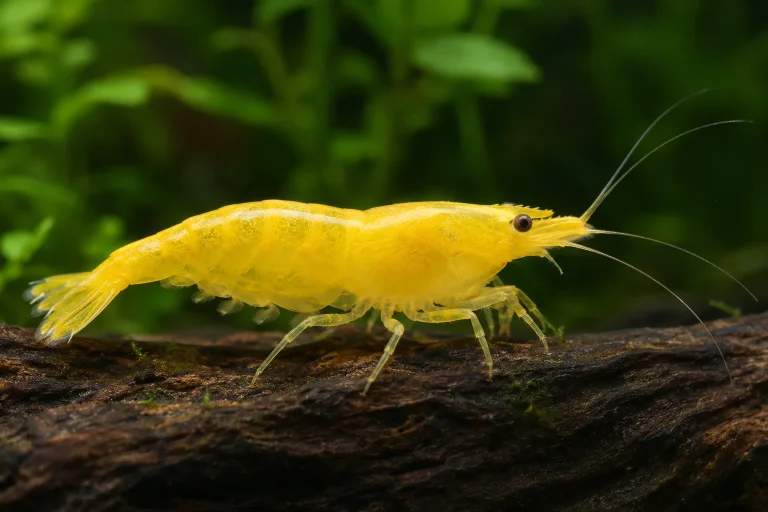
Yellow Shrimp
Neocaridina davidi
- Care level
- Beginner
- Adult size
- 3–4 cm
- Minimum tank
- 20 litres
- Temperature
- 18–26 °C
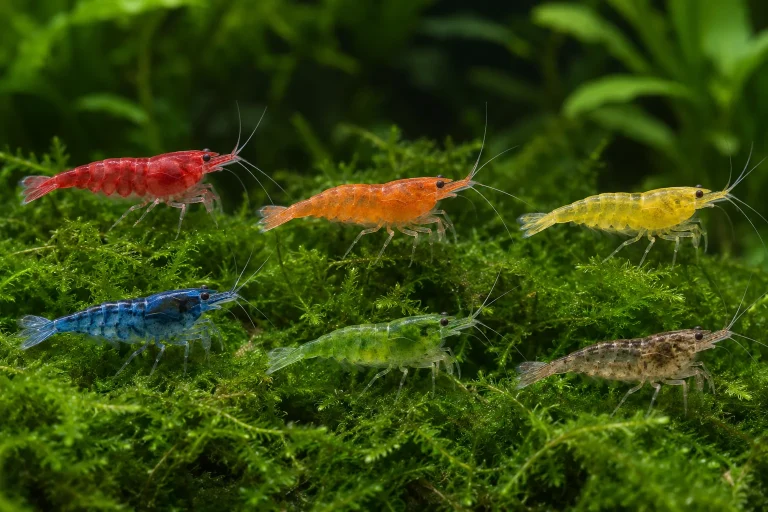
Assorted Shrimp
Neocaridina spp.
- Care level
- Beginner
- Adult size
- 2–3.5 cm
- Minimum tank
- 20 litres
- Temperature
- 18–28 °C
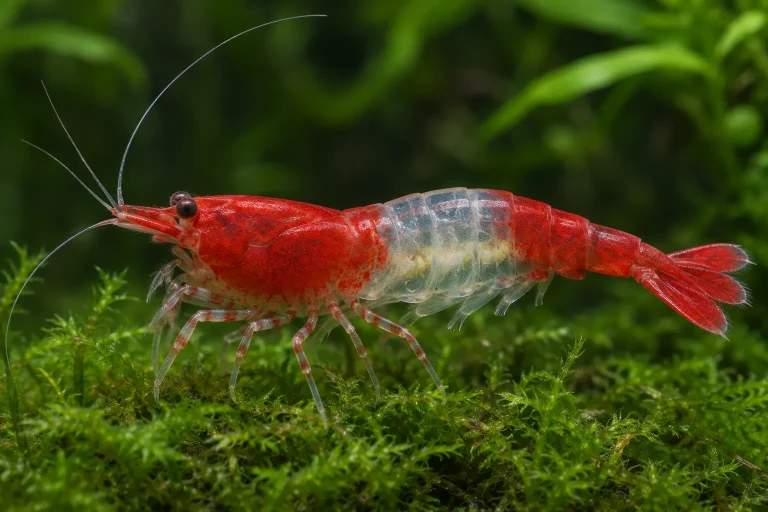
Red Rili Shrimp
Neocaridina davidi
- Care level
- Beginner
- Adult size
- 3–4 cm
- Minimum tank
- 20 litres
- Temperature
- 18–26 °C
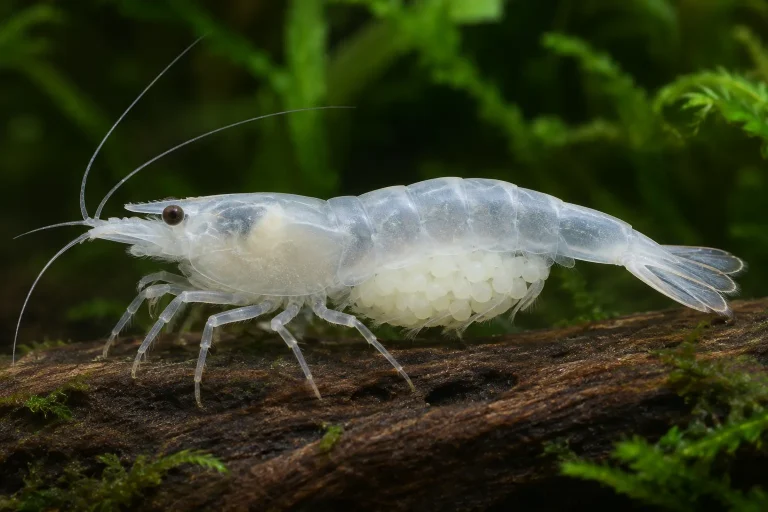
Snowball Shrimp
Neocaridina zhangjiajiensis
- Care level
- Beginner
- Adult size
- 2.5–3 cm
- Minimum tank
- 20 litres
- Temperature
- 18–26 °C