
Care Guide
Floating Plants Guide
Floating plants such as Amazon frogbit, Salvinia and red root floaters shade the tank, absorb excess nutrients and give fry and shy fish cover. They need good light and a calm surface, and regular thinning so they do not block light from the plants below.
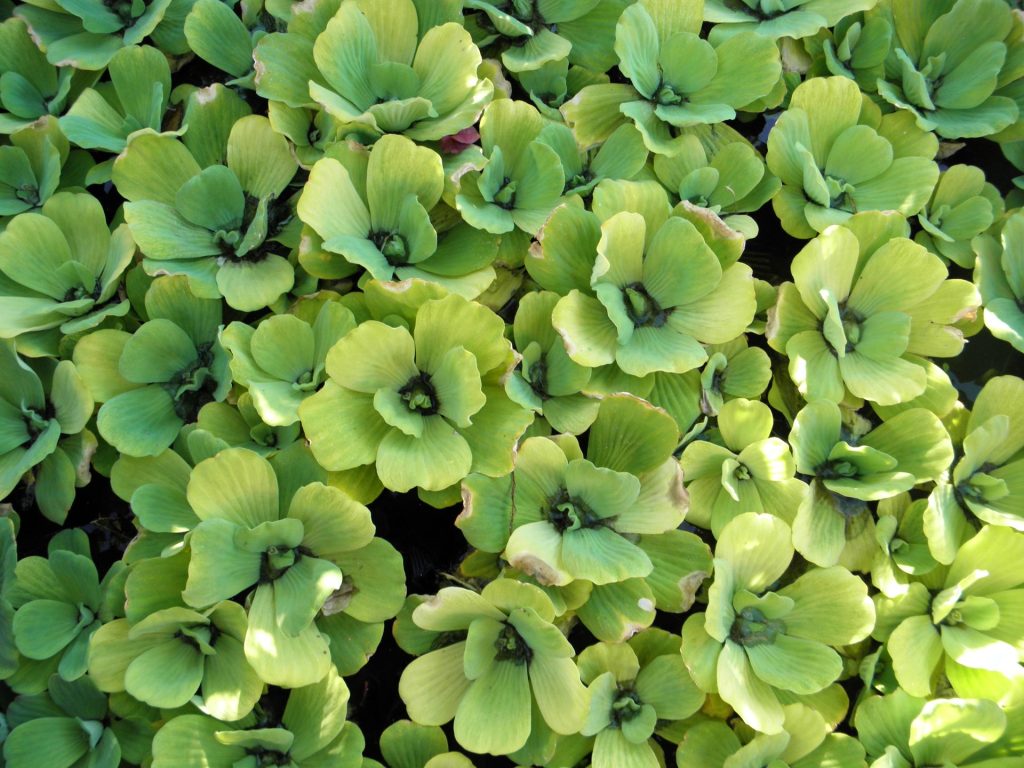
Benefits of Floating Aquarium Plants
Floating plants shade the aquarium, absorb dissolved nutrients, create cover for shy fish and fry, and develop hanging roots that support microorganisms. They can soften strong lighting and give surface-oriented fish security. Their fast growth also means they require regular thinning.
Popular Floating Plants for Freshwater Aquariums
Common choices include Amazon frogbit, Salvinia species, red root floaters, water lettuce where legal, and duckweed. Each differs in size, root length, light demand, flow tolerance, and growth speed. Check local regulations because some floating plants are invasive and restricted in certain regions.
Light, Flow, and Surface Conditions
Most floaters prefer good light and a relatively calm surface. Strong splashing can keep leaves wet and damage species that are adapted to dry upper leaf surfaces. Use filter baffles, floating rings, or outlet adjustments when necessary without sacrificing oxygenation and overall circulation.
Nutrients and Fertilization
Floating plants have direct access to atmospheric carbon dioxide and can grow rapidly when nitrogen, phosphorus, iron, and micronutrients are available in the water. Pale or stunted growth may indicate nutrient shortage, but diagnose patterns before dosing heavily. Excess fertilizer does not fix inadequate light or damaged roots.
Thinning and Maintaining Floating Plants
Remove excess plants before they cover the entire surface. Dense mats can block light from submerged plants, restrict feeding access, interfere with gas exchange at calm surfaces, and clog filter intakes. Regular thinning is easier than removing a neglected mass after lower plants have declined.
Floating Plants With Fish and Shrimp
Guppies, bettas, gouramis, fry, and shrimp often use hanging roots as cover and grazing habitat. Herbivorous or large fish may damage or eat floaters. Leave open surface areas for fish that need unobstructed access to air or for feeding and maintenance.
Common Floating-Plant Problems
Melting can follow shipping stress, wet leaves, abrupt changes in light or nutrients, or unsuitable flow. Yellowing may reflect nutrient deficiency, while tiny new growth can indicate crowding. Duckweed and similar plants spread easily, so introduce them only if you are willing to manage them long term.
Frequently Asked Questions
Do Floating Plants Need Substrate?
No. True floating plants take nutrients directly from the water and keep their roots suspended rather than planted in substrate.
Why Are My Floating Plants Melting?
Common causes include shipping stress, strong surface splashing, abrupt light changes, nutrient shortage, crowding, or conditions unsuitable for the species.
Can Floating Plants Block Aquarium Oxygen?
A dense unbroken mat can interfere with surface access and gas exchange in low-flow areas. Thin plants regularly and maintain appropriate surface movement.
Are Floating Plants Good for Bettas?
They can provide shade and cover that many bettas use, but leave open surface access because bettas breathe atmospheric air with their labyrinth organ.
Do Floating Plants Reduce Nitrate?
Fast-growing floaters consume nitrogen as they grow, which can contribute to nutrient control, but they do not replace appropriate stocking, filtration, or water changes.
How Do I Stop Floaters Entering the Filter?
Use floating rings, airline barriers, or outlet adjustments to create a protected zone while preserving necessary circulation and safe filter operation.
Are All Floating Plants Legal to Keep?
No. Some species are invasive and restricted in certain locations. Check local regulations before buying, trading, or disposing of aquatic plants.

Riccia Fluitans
Riccia fluitans
- Care level
- Intermediate
- Placement
- Floating, Foreground, Hardscape
- Light
- Low, Medium
- CO₂
- Recommended
Salvinia Cucullata
Salvinia cucullata
- Care level
- Beginner
- Placement
- Floating
- Light
- Low, Medium
- CO₂
- Unnecessary
Ceratopteris Cornuta
Ceratopteris cornuta
- Care level
- Beginner
- Placement
- Background, Floating, Midground
- Light
- Low, Medium
- CO₂
- Optional
Hydrocotyle Leucocephala
Hydrocotyle leucocephala
- Care level
- Beginner
- Placement
- Background, Floating, Midground
- Light
- Low, Medium
- CO₂
- Optional