
How-To Guide
Preventing Algae
Algae is a normal part of a freshwater aquarium, and a small amount on rocks, wood, or glass is not a sign that the tank has failed. Problems begin when algae grows faster than you are willing to manage or starts covering plant leaves. Preventing that outcome is less about finding an “algae killer” and more about keeping light, nutrients, plant growth, feeding, and maintenance in balance.
The most effective algae plan starts by identifying what changed. A longer photoperiod, brighter new light, unstable CO2, overfeeding, dying plant mass, or inconsistent maintenance can all shift the aquarium in algae's favor. Correct the cause, remove what you can manually, and give healthy plants time to respond.
Why Some Algae Is Normal
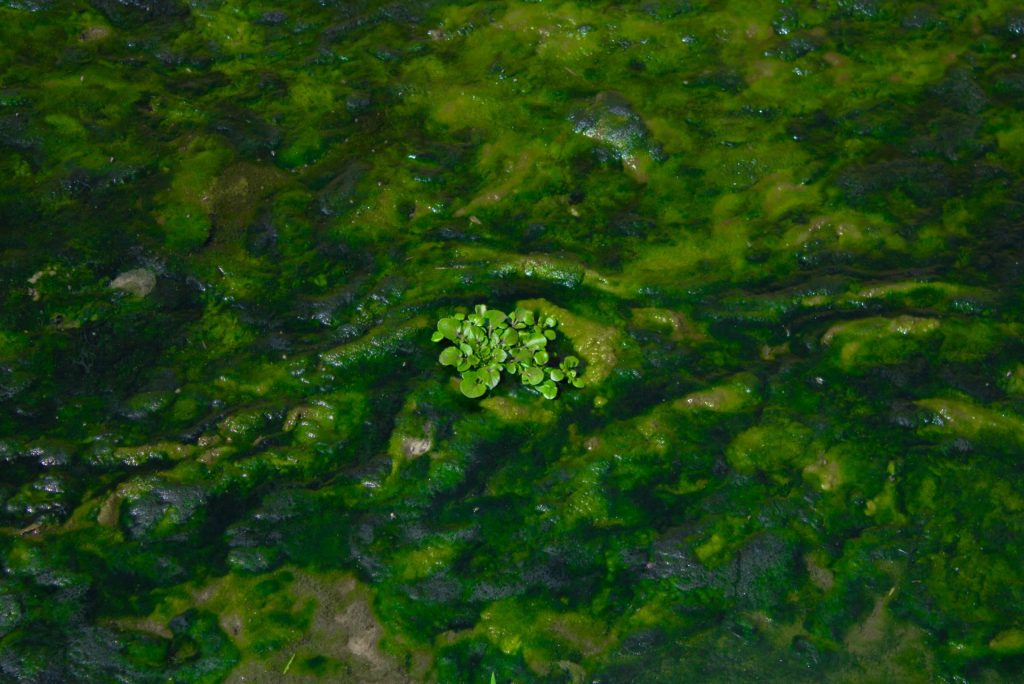
Algae uses light and nutrients just as plants do. New aquariums often pass through visible algae stages while microbial communities, plants, and maintenance routines are still developing.
Trying to keep every surface sterile can create more work than accepting a small controlled amount. Grazers such as snails, shrimp, and some fish can consume certain algae, but they should be chosen for their care needs rather than as disposable cleaning equipment.
Define the actual problem: algae on the front glass is easy to wipe, while algae smothering slow-growing plant leaves indicates a balance issue worth investigating.
Control Lighting First
Use a timer so the photoperiod is consistent. If algae is increasing, do not respond by changing intensity and duration at the same time. Reduce one variable and observe the result.
Direct sunlight can add uncontrolled light and heat. Position the aquarium where daylight is predictable or use curtains and blinds if seasonal sunlight reaches the glass.
Planted tanks need enough light for healthy growth, so permanent darkness is not the solution. The aim is appropriate light for the plant species and available carbon and nutrients.
Control Feeding and Organic Waste
Uneaten food and decaying material add nutrients and organic load. Feed portions the livestock can use and remove large leftovers before they break down.
Trim dead leaves, siphon accessible debris, and maintain filter flow. A filter packed with decomposing waste does not become more biologically valuable simply because it is dirty.
Do not overclean every surface at once. Preserve mature biological filtration while removing excess accumulated waste.
Keep Aquarium Plants Healthy
Fast-growing healthy plants can use substantial nutrients and occupy lighted space that would otherwise be available to algae. A tank full of nutrient-starved, melting plants does not provide the same competition.
Fertilize planted aquariums according to plant demand instead of trying to drive every nutrient to zero. Plants need nitrogen, phosphorus, potassium, micronutrients, carbon, and suitable light.
CO2-injected aquariums benefit from stable CO2 delivery. High light combined with inconsistent CO2 is a common way to create stressed plants and persistent algae.
Manual Removal and Water Changes
Scrape glass, remove badly covered leaves, twist or brush filamentous algae from hardscape, and siphon loose material during water changes. Physical removal immediately reduces the algae biomass.
Regular water changes reset part of the dissolved waste load and give you a chance to clean accessible areas. Match replacement water appropriately for livestock.
Manual removal works best alongside a correction to light, feeding, plant health, or another cause. Otherwise the algae simply regrows under the same conditions.
Using Algae-Eating Animals Responsibly
Nerite snails, Amano shrimp, Otocinclus, and other grazers have different diets and cannot be expected to eat every algae type. Research the animal before adding it.
Adding more livestock also adds feeding needs and waste. A fish that grows too large for the aquarium is not an appropriate algae solution even if it is sold as an algae eater.
Use grazers as part of a compatible stocking plan, not as a replacement for maintenance.
A Simple Algae-Prevention Routine
Keep the light schedule consistent, feed accurately, remove dying plant material, maintain filter flow, and perform regular water changes. These basic actions prevent many small imbalances from becoming large ones.
Photograph the tank under similar lighting each week. Slow changes are easier to recognize when you can compare images rather than relying on memory.
When algae appears, identify its location and growth pattern before changing the entire aquarium. A local flow or shading issue may need a local solution.
Frequently Asked Questions
Can I Completely Prevent Algae?
Probably not, and a small amount is normal. The practical goal is to keep algae at a manageable level that does not smother plants or dominate the display.
Does Too Much Light Cause Algae?
Excessive or poorly matched light can contribute, especially when plant carbon or nutrients cannot support the growth driven by that light.
Should I Stop Fertilizing to Prevent Algae?
Not automatically. Starving plants can weaken them. Use balanced fertilizer appropriate to plant demand and control light and CO2 as well.
Do Water Changes Prevent Algae?
They help control accumulated waste and support stable conditions, but they work best as part of a broader light, feeding, and plant-care routine.
What Is the Best Algae-Eating Fish?
There is no single fish that eats every algae type. Choose livestock for long-term compatibility and care requirements, not only for algae removal.
Can Overfeeding Cause Algae?
It can contribute excess nutrients and organic waste. Feed accurately and remove leftovers.
Why Does Algae Keep Returning After I Scrub It Off?
Manual removal reduces existing algae, but regrowth continues if the underlying light, nutrient, carbon, or maintenance imbalance remains.