
How-To Guide
Vacation Aquarium Care
A stable freshwater aquarium can usually handle a short absence better than it handles last-minute overfeeding, major cleaning, or untested equipment. Vacation care is therefore less about doing more and more about making the normal routine predictable before you leave.
Plan several days ahead. Confirm that water quality and equipment are stable, decide how feeding will be handled, test any automatic feeder, and leave simple instructions if another person will check the tank. The length of the trip and the needs of the livestock determine how much outside help is necessary.
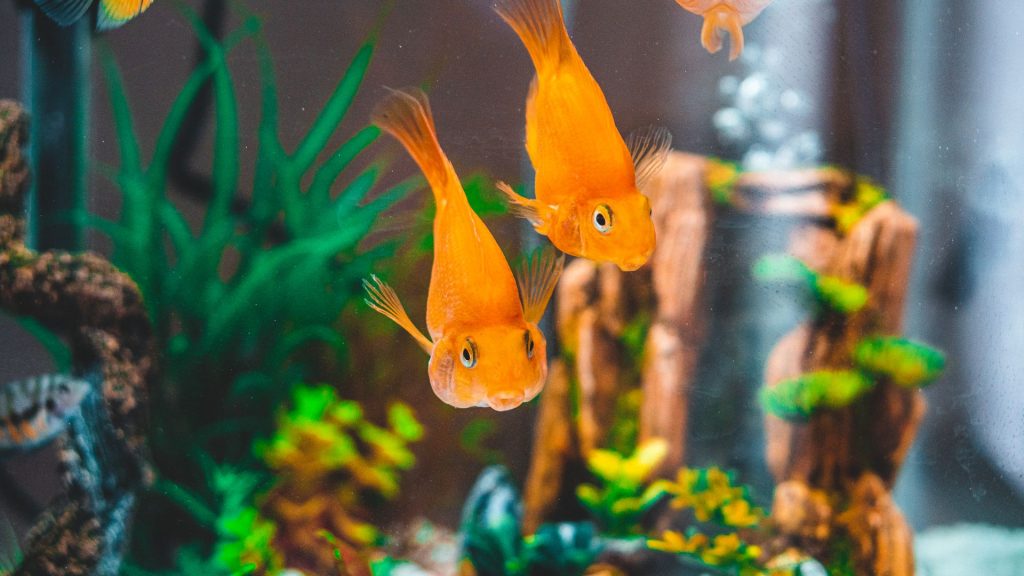
Prepare Several Days Before You Leave
Observe the fish during normal feeding, check temperature and filter flow, and test water if the tank is new, recently changed, or has a history of instability. Fix existing problems before the aquarium is unattended.
Avoid adding new livestock immediately before travel. New fish can introduce disease, change biological load, or require closer observation during acclimation. Also avoid replacing a working filter or heater with unfamiliar equipment at the last minute unless the old equipment is unsafe.
Use the Week Before Travel as a Stability Test
The best preparation is several ordinary days in which the aquarium behaves normally. Watch whether every fish eats, confirm that the heater cycles normally, listen for unusual pump noise, and make sure the water level does not fall faster than expected. If something is already questionable, you still have time to correct it and observe the result.
Do not use this week to redesign the aquascape, switch substrate, replace all filter media, or add a large group of new fish. Each major change adds uncertainty at exactly the wrong time.
Do the Normal Water Change
Perform the water change that would normally be due before the trip. The objective is good starting water quality, not an unusually large change that exposes fish to unfamiliar chemistry.
If the filter needs routine cleaning, do it early enough to verify normal flow afterward. Preserve established biological media and avoid replacing everything at once. Prepare replacement water with the same dechlorination and mineral routine you normally use.
Maintenance Should Be Familiar, Not Aggressive
Perform the same sensible water change you would normally do at that point in the maintenance cycle. Vacuum obvious debris, clean the viewing glass if needed, and restore filter flow if a pre-filter is clogged. The aquarium does not need to be “extra clean” before you leave.
Overcleaning can disturb biological media and plant roots. If filter media needs rinsing, preserve the mature material and confirm normal flow afterward. Give the tank at least a little observation time after maintenance rather than walking out the door immediately.
Choose a Feeding Plan That Fits the Livestock
Do not feed extra before leaving. Fish cannot store a useful vacation supply simply because you double the meal, and uneaten food adds waste. Healthy adult fish of many common species tolerate short feeding gaps better than chronic overfeeding, but fry, young fish, specialized feeders, and animals under treatment may need regular care.
For longer absences, use a tested automatic feeder or a reliable helper. Portion food in advance so a helper does not have to estimate. Label each portion by day and make it clear that begging fish should not receive extra food.
Feeding Plans Should Reflect Age and Species
A healthy adult community fish and a tank of rapidly growing fry do not have the same vacation needs. Young fish often require more frequent feeding, while some adult fish can comfortably tolerate short gaps. Specialized grazers and animals receiving medication may also need individual planning.
If you are unsure, arrange a knowledgeable helper rather than applying a universal fasting rule. The goal is to meet the animals’ actual needs without creating the much more common vacation problem: excessive food decomposing in an unattended tank.
Test Automatic Feeders Before the Trip
Run an automatic feeder for several days before relying on it. Confirm the actual amount dispensed, whether flakes or pellets clump in humidity, whether the opening changes accidentally, and whether the food lands where fish can reach it.
Set the smallest suitable portion first. A feeder that releases too much food can create a water-quality problem every day until you return. Mount it securely and make sure the lid or opening remains escape-resistant.
Automatic Feeders Need a Real Trial
Testing a feeder over an empty bowl once is not enough. Run it on the aquarium for several normal feeding cycles. Humidity near the tank can cause flakes to clump, pellets can bridge inside the opening, and vibration can change the portion. Observe what actually reaches the fish.
If the feeder dispenses too much, change the opening or food type before travel. Do not compensate by planning a large water change when you return; prevent the excess from entering the tank in the first place.
Lights, Water Level, and Essential Equipment
Put aquarium lights on a timer and keep a normal photoperiod rather than leaving lights on continuously. Check the heater, filter, air pump, and other essential equipment. Make sure filter intakes are clear and electrical connections remain dry.
Consider evaporation. In an open-top aquarium, the water level may fall enough to affect a HOB filter, heater, or pump. For longer trips or high-evaporation systems, arrange an appropriate top-off plan or a knowledgeable helper.
Timers Remove One Job From the Care Plan
A reliable light timer keeps the photoperiod consistent and prevents a helper from accidentally leaving lights on around the clock. Test the timer after a brief power interruption if your model can lose its programming.
Check other equipment separately. A heater controller, air pump, filter, and automatic top-off each has its own failure mode. Secure hoses and cords, make sure a canister cannot siphon onto the floor, and verify that an open-top tank will not evaporate below a critical equipment level.
Give a Helper Simple Instructions
A helper needs exact tasks, not a full aquarium manual. Pre-portion food, show the normal water level and filter flow, and leave contact information. Tell them what requires a call rather than asking them to diagnose the problem.
Useful instructions include: feed only the labeled portion; check that water is moving; check temperature; look for leaks; do not add chemicals or medication; do not clean the filter; and contact you if several fish behave abnormally. Simpler instructions reduce accidental intervention.
Make the Helper’s Job Almost Impossible to Misunderstand
Pre-portion food into labeled containers or small packets. Put a piece of tape at the normal water level if top-off is required. Write down the normal temperature and show what normal filter flow looks like. These concrete references are easier to follow than instructions such as “feed a little” or “check the filter.”
Also write a short “do not” list: no extra food, no medication, no filter cleaning, no topping off with untreated tap water, and no new fish. Give one clear contact person for anything outside the checklist.
What to Do When You Return
Observe before feeding a large meal or immediately cleaning the tank. Check livestock behavior, temperature, filter flow, water level, and visible leftovers. If everything is normal, return to the regular routine.
If you suspect overfeeding or equipment failure, test ammonia and nitrite and inspect the filter before making several changes. Perform an appropriate water change based on the actual condition of the aquarium rather than automatically doing the largest possible change.
Have an Emergency Decision Plan
A helper does not need to diagnose fish disease, but they should know what deserves immediate contact: water on the floor, a stopped filter, a heater showing an abnormal temperature, several fish gasping, or a power outage lasting beyond a brief interruption. If you have backup aeration, show them exactly how to start it.
For long trips, consider leaving prepared conditioner, a clean bucket, and written water-change instructions only if the helper is capable of using them. Otherwise, emergency aquarium work is better handled by an experienced aquarist or aquarium service.
Return to the Routine Gradually
Fish that received lighter feeding do not need a double meal when you return. Feed a normal portion and observe. Check for uneaten food, unusual algae, evaporation, temperature changes, and reduced filter flow. Test ammonia and nitrite if equipment stopped, the sitter reports overfeeding, or livestock behavior is abnormal.
Do not combine a huge feeding, full filter cleaning, major water change, and aquascape overhaul on the same evening. Correct any actual problem first; otherwise, resume the normal maintenance schedule.
Match the Plan to the Length of the Trip
For a short absence, a stable adult-fish aquarium may need very little intervention beyond normal preparation. For a longer trip, evaporation, feeding, equipment checks, and plant growth become more important. The point at which a helper is necessary depends on the livestock and system rather than a universal number of days.
Fry, fish that require frequent specialized feeding, tanks receiving medication, high-evaporation open aquariums, and systems with a history of equipment trouble deserve closer supervision. A mature, lightly stocked community tank with automated lights and stable equipment is generally easier to leave. Assess the aquarium you actually own rather than copying a vacation checklist written for a different setup.
Leave Useful Information Beside the Aquarium
A one-page instruction sheet should include the normal temperature, feeding portions, where prepared top-off water is stored, and your contact information. Add the contact details of a local aquarium shop, experienced aquarist, or service person if someone has agreed to help in an emergency. Photograph the aquarium before leaving so a sitter can compare normal water level and equipment position.
If the tank uses unusual equipment, label the controls that the sitter may touch and mark everything else “leave on.” Many vacation problems come from well-meaning intervention: unplugging a noisy air pump, turning off a filter at night, adding untreated water, or feeding extra because the fish appear hungry. Clear, limited instructions protect the aquarium better than a long technical manual.
Frequently Asked Questions
How Long Can Fish Go Without Food?
There is no universal number. Healthy adult fish of many common species can tolerate short gaps, while fry, young fish, specialized feeders, and sick animals may need regular feeding. The safest plan is the one you have already tested before leaving, with simple instructions and no unnecessary last-minute changes.
Should I Feed Extra Before Vacation?
No. Feed normally. Extra food increases waste and does not safely prepare fish for a feeding gap. The safest plan is the one you have already tested before leaving, with simple instructions and no unnecessary last-minute changes.
Do I Need an Automatic Feeder?
Not always. It can be useful for longer trips, but it should be tested for several days before you rely on it. The safest plan is the one you have already tested before leaving, with simple instructions and no unnecessary last-minute changes.
Should I Do a Large Water Change Before Leaving?
Do the normal appropriate change. Avoid an unusually large or unfamiliar maintenance session simply because you are going away. The safest plan is the one you have already tested before leaving, with simple instructions and no unnecessary last-minute changes.
What Should a Fish Sitter Do?
Keep the job simple: use pre-portioned food, check filter flow and temperature, look for leaks or abnormal behavior, and contact you if something is wrong. The safest plan is the one you have already tested before leaving, with simple instructions and no unnecessary last-minute changes.
What Should I Do First When I Return?
Observe the tank and equipment first. Then resume normal feeding and maintenance unless testing or visible conditions show a specific problem. The safest plan is the one you have already tested before leaving, with simple instructions and no unnecessary last-minute changes.
Conclusion
Vacation aquarium care works best when the tank is already stable. Prepare early, perform normal maintenance, avoid new livestock and major equipment changes, and choose a feeding plan appropriate to the animals and length of the trip.
If someone checks the aquarium, make their job simple and specific. When you return, observe before intervening. A predictable routine is safer than trying to compensate for your absence with extra food or aggressive cleaning.
Sources
Nutrition in Fish — Merck Veterinary Manual: Explains species-specific feeding strategies and the nutritional differences among herbivorous, omnivorous, and carnivorous fish.