
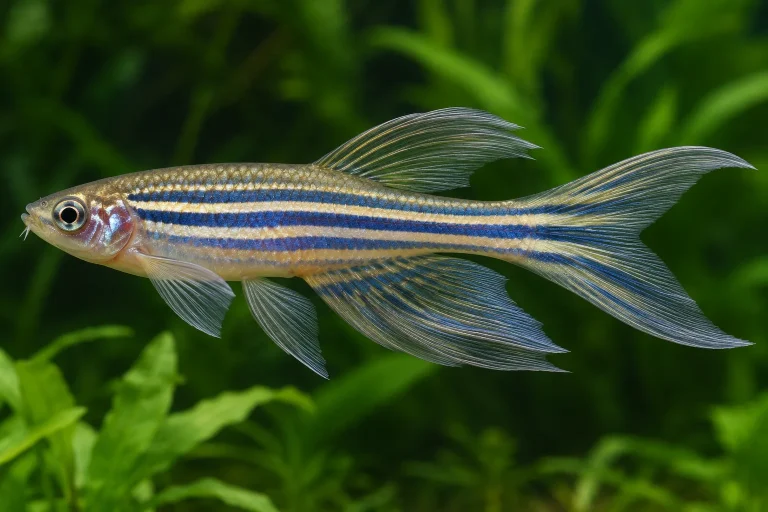
Zebra Danio – Longfin
Danio rerio
- Care level
- Beginner
- Adult size
- 4–5.5 cm
- Minimum tank
- 72 litres
- Temperature
- 18–26 °C
Species profile
Danio rerio
Common names: Zebra Danio, Zebrafish
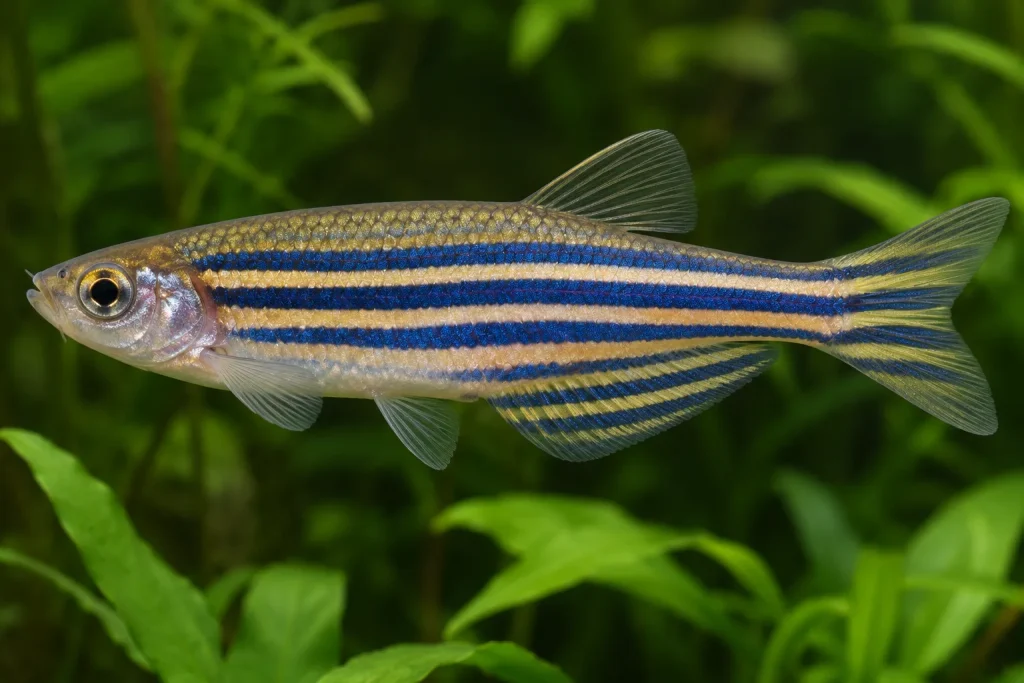
Up to 5 cm
Typical adult length 4–5 cm.







Zebra Danio is a small to medium schooling danio requiring a group, a secure lid, clean oxygen-rich water, and at least 72 litres.
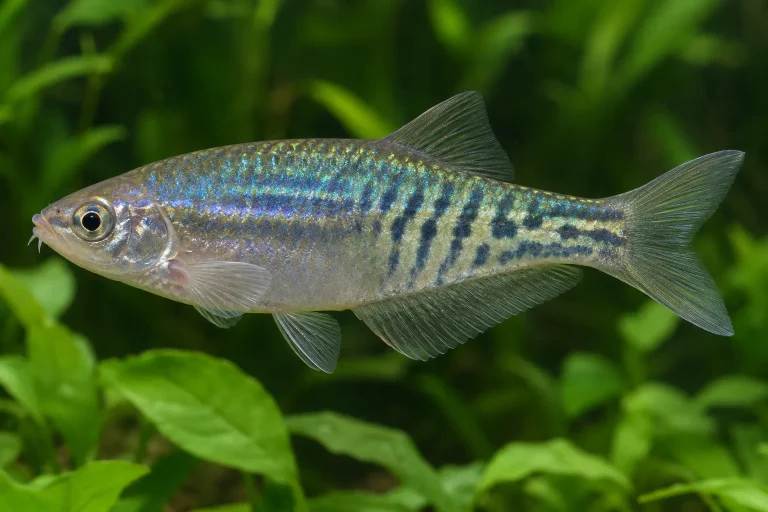
A slim silver-gold fish marked by several dark blue horizontal stripes running from the gill cover into the tail.
The standard wild-type and common captive form of Danio rerio. Brachydanio rerio is an outdated generic combination.
Adult females are generally fuller-bodied and slightly larger. Mature males are usually slimmer and show stronger colour, especially during courtship.
Keep a group of at least 8 in an aquarium at least 80 cm long. Provide open swimming space, secure cover, efficient filtration, and moderate water movement.
Use plants, wood, and rounded stone around the margins while preserving a clear central swimming area.
Keep planting and hardscape around the margins so the school has cover without losing the open midwater space it uses most.
Zebra Danio is a social, active schooling fish that should be maintained with its own kind. Most chasing is part of normal group interaction, but cramped quarters or a group that is too small can concentrate aggression.
Maintain at least 8, preferably 12 or more. A larger group produces more natural schooling and spreads chasing. Not truly territorial, although males may spar or defend short-lived display positions within the group.
Choose peaceful, similarly active fish that share the same temperature and water requirements. Very slow, timid, or long-finned tankmates may be stressed by constant movement or persistent feeding competition. Small shrimp and shrimplets may be eaten.
This adaptable captive line tolerates a broad range, but stable conditions and good oxygenation remain important.
Some links may earn us a commission on qualifying purchases, at no extra cost to you. Check suitability, price and availability with the seller. How affiliate links work
 Manual aquarium siphon and gravel cleaner
A manual siphon for routine aquarium water changes and accessible waste removal. The seller lists a hose approximately 1.6 m long.
Control the flow and keep the intake clear of fish and delicate planting. Clean the areas appropriate for your substrate and layout rather than disturbing the entire planted bed.
A hardy, greedy omnivore that takes almost any small food at the surface. Flake and micro pellets with frozen brine shrimp and daphnia keep it in good condition.
Feed small portions once or twice daily. Active danios feed quickly, so check that slower tankmates receive food.
Breeding follows the usual Zebra Danio pattern. Condition adults with varied foods, then provide a separate spawning tank with mesh, marbles, moss, or spawning mops that allow adhesive eggs to fall beyond the adults’ reach. Remove the breeders after spawning because they provide no parental care and will eat eggs. Feed newly free-swimming fry infusoria or very fine prepared food before introducing microworms and Artemia nauplii.
You can write a note about what worked for you, or send a photograph. We check everything before it appears here.
Danio rerio
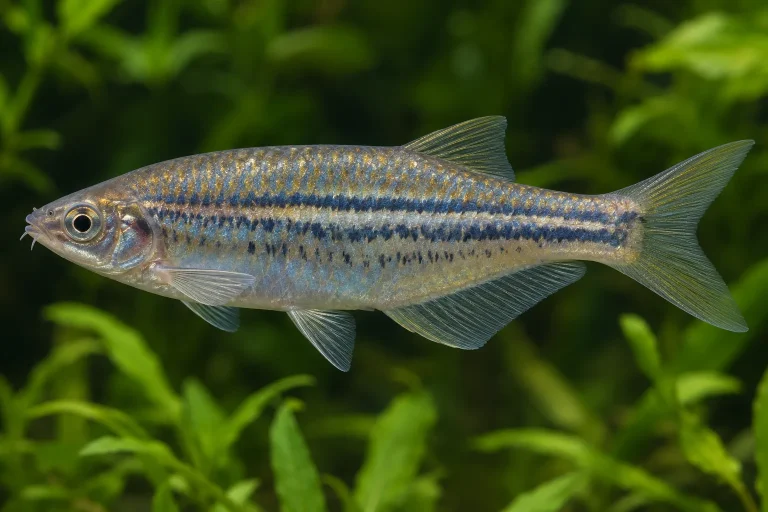
Devario assamensis
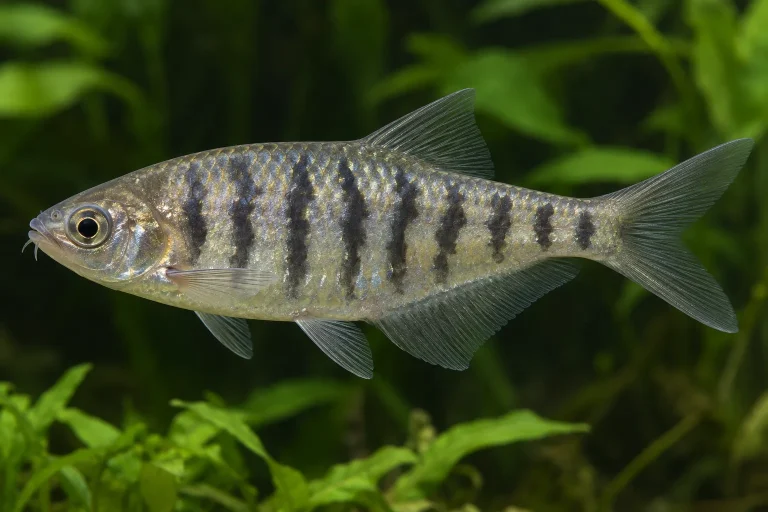
Devario pathirana
Devario devario