

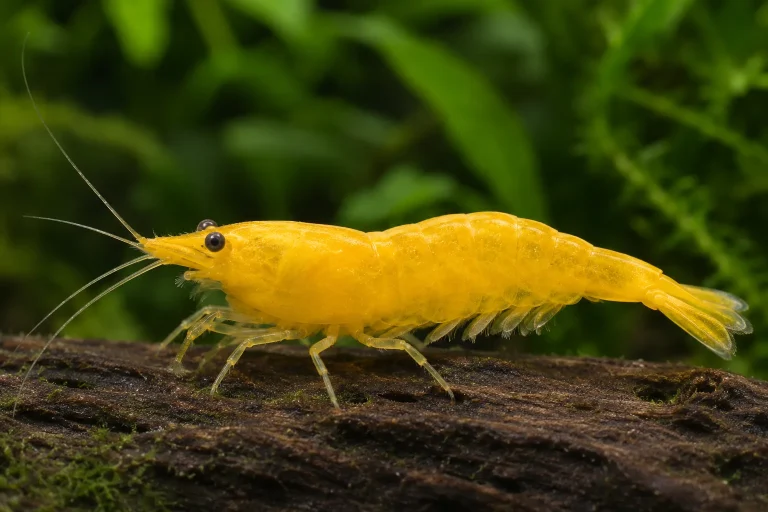
Ultra Gold Neocaridina Shrimp
Neocaridina davidi
- Care level
- Beginner
- Adult size
- 2–3 cm
- Minimum tank
- 20 litres
- Temperature
- 19–26 °C
Species profile
Neocaridina davidi
Common names: Sunburst Neocaridina Shrimp, Sunburst Shrimp, Koi Sunburst Neocaridina
Up to 3 cm
Typical adult length 2–3 cm.




A modern orange Neocaridina davidi breeding line sold under the Sunburst trade name.
Orange to reddish-orange colour with a brighter dorsal area or variable contrasting patches, depending on the breeder line sold under the Sunburst name.
Sunburst is not a standardized formal variety. Some breeder lines are solid orange while others are Koi-style patterned stock, so provenance and seller photographs are important.
Adult females are usually larger and deeper-bodied than males. Colour intensity alone is not a reliable sex indicator.
Use a mature, cycled aquarium with protected filter intakes, biofilm-rich surfaces, plants or mosses, and stable water chemistry.
Peaceful dwarf shrimp that spends much of its time grazing biofilm, algae, detritus, plants, and hardscape.
Best kept in a colony with other compatible Neocaridina sharing similar water requirements.
Not territorial.
Peaceful fish may still consume shrimplets. Different Neocaridina colour lines can interbreed, which may reduce colour consistency in later generations.
Maintain stable, mineralized freshwater with sufficient calcium and magnesium. Mature biofilm and gradual acclimation improve survival.
Omnivorous biofilm grazer. Provide mature natural grazing surfaces plus small portions of complete shrimp food, algae-based foods, leaf litter, and occasional protein-rich food.
Avoid overfeeding. A mature aquarium with continuous grazing surfaces is more important than heavy feeding.
Some links may earn us a commission on qualifying purchases, at no extra cost to you. Check suitability, price and availability with the seller. How affiliate links work
 Aquatic Venturez dwarf-shrimp food – 10 g
A specialist prepared-food option for the dwarf-shrimp diet described above. This listing is a 10 g pack.
Use small portions alongside the mature grazing surfaces and other foods in the care guide. Remove leftovers and adjust the amount to the number of shrimp feeding. This is not a food recommendation for filter-feeding shrimp.
Direct-developing freshwater shrimp. Females carry eggs beneath the abdomen and release miniature shrimplets. Selective breeding is needed to maintain strong colour or pattern.
You can write a note about what worked for you, or send a photograph. We check everything before it appears here.
Neocaridina davidi
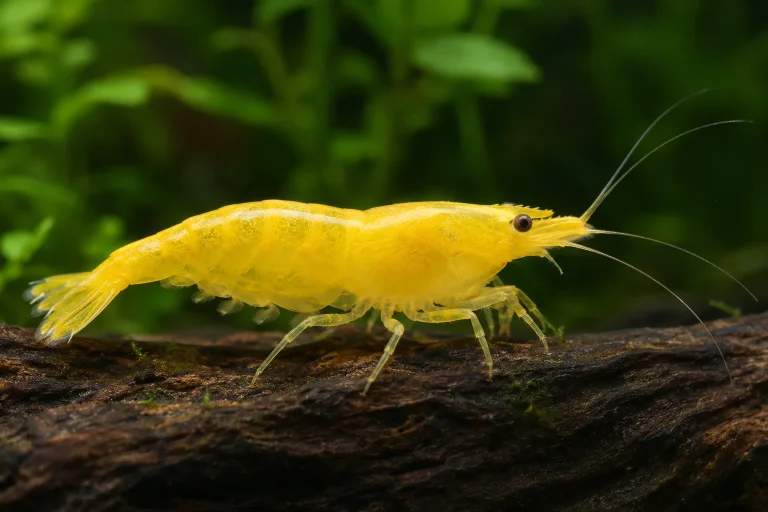
Neocaridina davidi
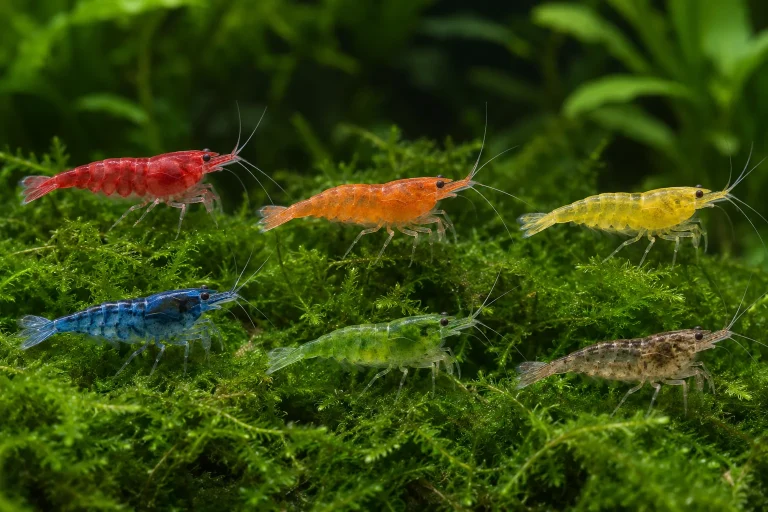
Neocaridina spp.
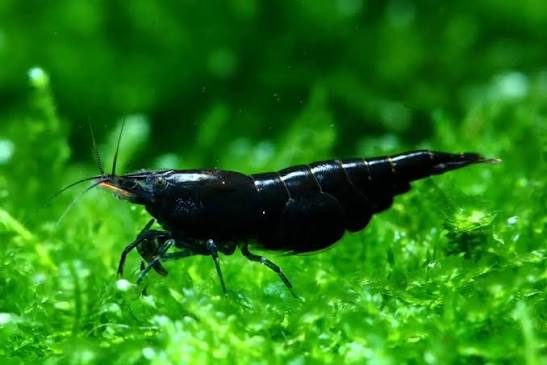
Neocaridina davidi