
Care Guide
Goldfish Care Guide
Goldfish grow far larger than most people expect, so plan around adult size. Fancy goldfish need roughly 75 to 100 litres for the first fish, and single-tail goldfish are better suited to very large tanks or ponds. Give them strong filtration, cool, well-oxygenated water, controlled feeding and frequent water changes.
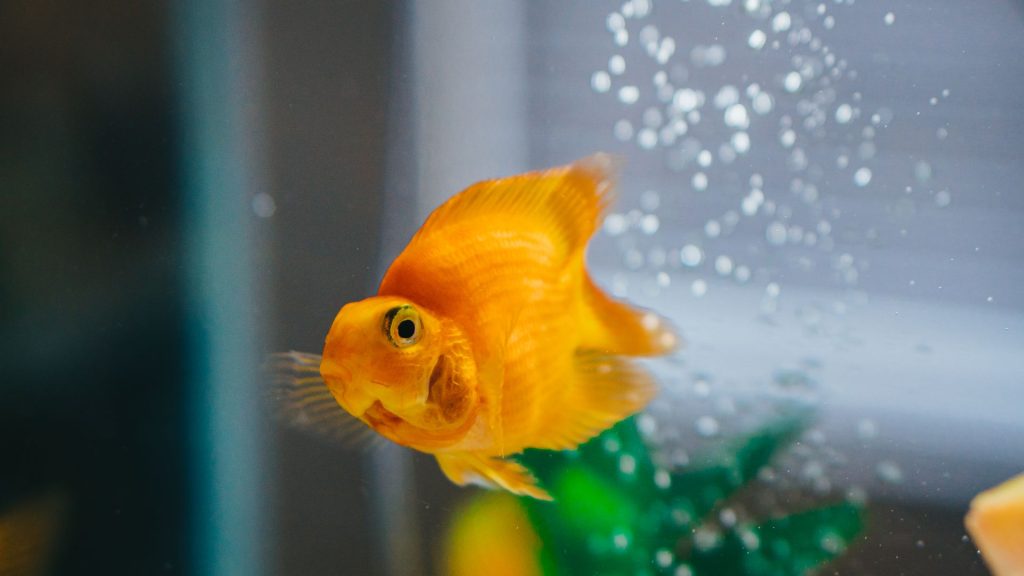
Goldfish Basics and Adult Size
Goldfish are domesticated Carassius auratus with varieties ranging from streamlined common and comet forms to rounded fancy types. They are not tiny bowl fish. Healthy adults can become large, live for many years, and produce substantial waste, so the aquarium should be planned around adult size and swimming needs.
Tank Size, Shape, and Filtration
Prioritize horizontal swimming space, strong biological filtration, and enough water volume to dilute waste. Long-bodied goldfish generally need more swimming room than fancy varieties. Exact minimum volumes vary by fish size and husbandry, so avoid treating one gallon rule as a substitute for observing growth and water quality.
Water Quality, Temperature, and Oxygen
Goldfish tolerate cool conditions but still need stable temperature and good oxygenation. Keep ammonia and nitrite at zero in a cycled aquarium and control nitrate through stocking, feeding, plants where appropriate, and water changes. Warm water holds less oxygen, making surface movement especially important in summer.
Feeding Goldfish Properly
Use a quality goldfish diet as the staple and offer suitable plant matter or other foods for variety. Feed controlled portions and monitor body condition. Overfeeding is a common source of water-quality problems, while floating foods may be less suitable for some fancy fish that gulp air at the surface.
Substrate, Plants, and Safe Decor
Goldfish investigate objects with their mouths, so avoid gravel pieces that can become lodged and sharp decor that can injure delicate fins or eyes. Sand, bare-bottom sections, or appropriately sized substrate can work. Choose robust plants or accept that some plants will be uprooted or eaten.
Goldfish Tank Mates
Compatibility depends on temperature, adult size, swimming ability, feeding speed, and temperament. Long-bodied goldfish can outcompete slow fancy varieties, while tropical community fish often need warmer water. Avoid fin-nippers and fish small enough to be swallowed.
Routine Goldfish Maintenance
Test water when establishing or troubleshooting the aquarium, perform regular partial water changes, vacuum accumulated waste, and service filters without sterilizing biological media. A goldfish tank should smell clean and maintain steady parameters; clear water alone does not prove that ammonia or nitrate is acceptable.
Frequently Asked Questions
Can Goldfish Live in a Bowl?
No. Goldfish grow large and produce a lot of waste, so they need a big, well-filtered tank or a pond.
Do Goldfish Need a Heater?
Usually not. Goldfish do well in cool water, roughly 18 to 22 °C for fancy types, as long as the temperature stays stable.
How Big Do Goldfish Get?
Fancy goldfish often reach 15 to 20 cm, and common or comet goldfish 25 to 30 cm or more.
Why Does My Goldfish Float Upside Down?
Often a swim bladder problem linked to diet, overfeeding or water quality, especially in round-bodied fancy goldfish. Test the water and feed sinking food in small portions.
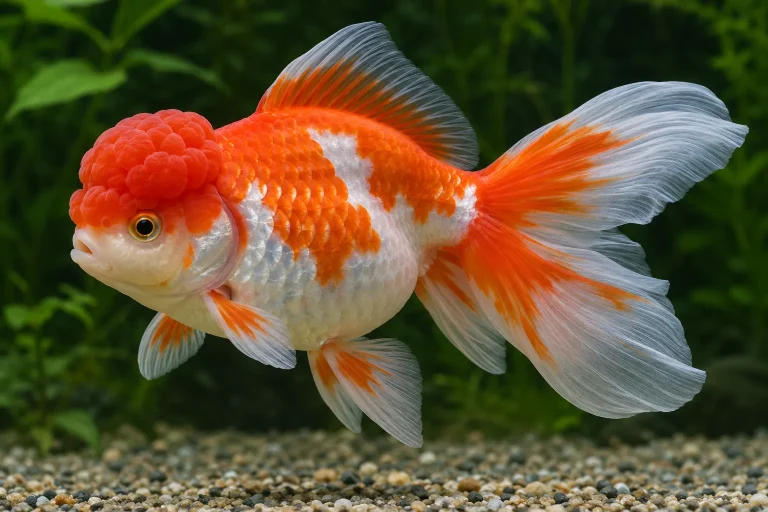
Fancy Goldfish
Carassius auratus
- Care level
- Intermediate
- Adult size
- 10–20 cm
- Minimum tank
- 80 litres
- Temperature
- 18–24 °C
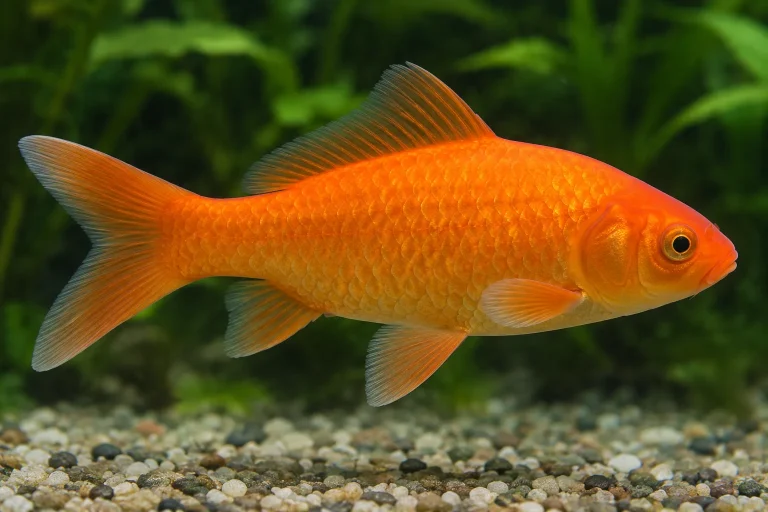
Common Goldfish
Carassius auratus
- Care level
- Beginner
- Adult size
- 12–22 cm
- Minimum tank
- 150 litres
- Temperature
- 10–24 °C