
July 23, 2026
CO2 Deficiency Symptoms
The clearest signs of CO2 shortage are slow or stunted growth, small or distorted new leaves and a white mineral crust on leaves, often alongside black beard algae. Similar symptoms can come from weak light or missing nutrients, so check CO2 levels and circulation before increasing injection, and raise it gradually while watching the fish.
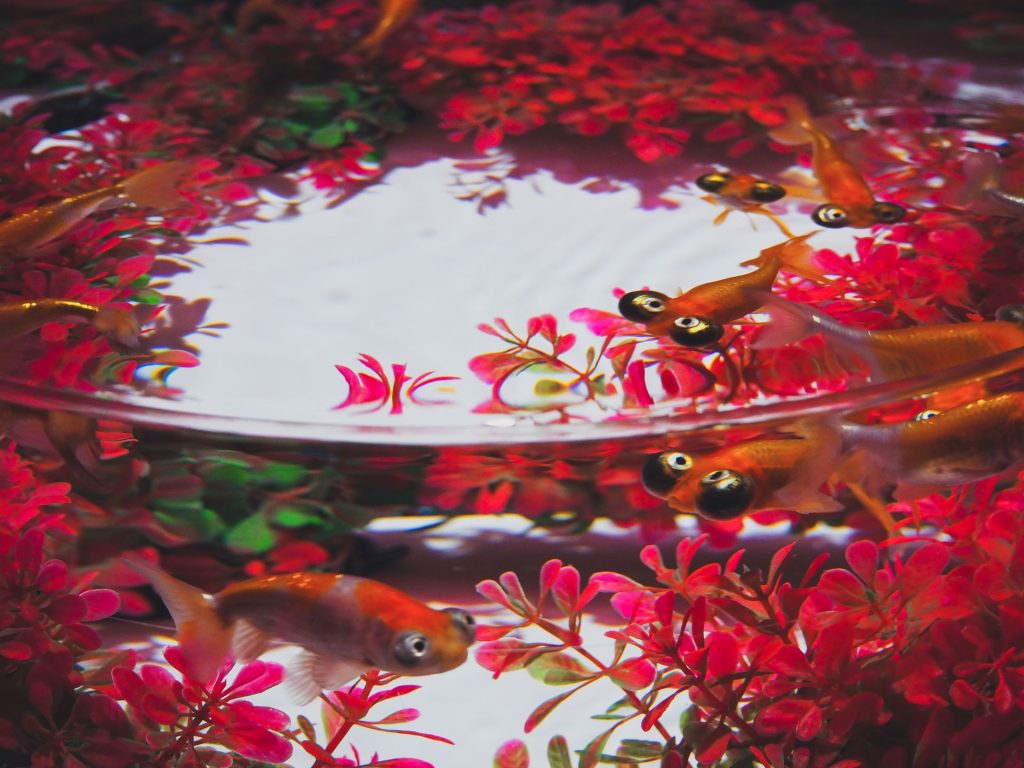
What CO2 Does for Aquarium Plants
Plants use carbon dioxide as their main source of carbon for photosynthesis. In a tank with strong light and plenty of nutrients, carbon is often the first resource to run short, so growth slows even when light and fertiliser are good.
Aquarium water usually holds only a few milligrams of CO2 per litre unless it is injected, which is why high-light tanks often need added CO2 while low-light tanks manage without it.
Common Signs of CO2 Deficiency
Common signs include slow or stalled growth, smaller new leaves, stems that look thin, pale or twisted new growth, and red plants staying green. A white, crusty deposit on leaves can form when plants pull carbon from carbonate hardness instead.
Black beard algae on leaf edges, wood and equipment often appears where CO2 levels are low or swing during the day. None of these signs alone proves a CO2 problem, so read them together.
Problems That Can Look Like Low CO2
Several problems look similar. Nitrogen shortage yellows older leaves first; potassium shortage causes pinholes; iron shortage gives pale new leaves with green veins. Weak or poorly placed light causes slow, leggy growth too.
Before raising CO2, check that the light suits the plants, that fertilisers are dosed regularly and that the tank is not limited by something else.
CO2 Distribution and Water Circulation
CO2 only helps if it reaches the plants. Weak circulation leaves dead spots where plants struggle while others grow well. Place the diffuser or reactor where the filter outflow carries fine bubbles or dissolved gas around the whole tank.
Heavy surface agitation drives CO2 out of the water, while too little movement lowers oxygen. Aim for a gentle ripple across the surface rather than a flat or boiling one.
How to Evaluate CO2 More Reliably
A drop checker with 4 dKH reference fluid turns green at roughly 30 mg per litre, but it reacts an hour or two behind the water. Read it near the end of the light period.
A more direct check is the pH drop: measure pH in a sample left to degas overnight, then in the tank during the light period. A drop of about one pH unit means roughly 30 mg per litre. pH and KH charts are unreliable when wood, leaves or soils add other acids.
Correcting a CO2 Deficiency Safely
Increase injection in small steps over several days rather than all at once. Start the CO2 an hour or two before the lights come on so levels are ready when the plants need them, and use a solenoid on a timer to turn it off at night.
Watch the fish closely after each change. Fish gasping at the surface, rapid breathing or shrimp acting erratically mean CO2 is too high: turn it down at once and increase surface movement.
Balancing CO2, Light, and Nutrients
Light drives demand. More light makes plants use more CO2 and nutrients, so a stronger light without enough CO2 often causes algae rather than growth.
If you cannot supply more CO2, reduce light intensity or duration and choose plants that grow well in low-tech conditions. Keep CO2, light and fertiliser in step and change one at a time.
Frequently Asked Questions
What Does CO2 Deficiency Look Like in Aquarium Plants?
Slow or stunted growth, small or distorted new leaves, pale new growth, red plants staying green, and sometimes a white crust on leaves. Black beard algae often appears alongside low or unstable CO2.
Can Algae Mean There Is Not Enough CO2?
It can. Black beard algae in particular is often linked to low or fluctuating CO2. Algae has several possible causes, though, so check light and nutrients too.
Can Nutrient Deficiency Look Like Low CO2?
Yes. Nitrogen, potassium and iron shortages, as well as weak light, all cause slow or discoloured growth. Check these before assuming CO2 is the problem.
How Do I Know Whether CO2 Reaches the Whole Tank?
Watch growth across the tank. Plants that struggle in one area while others grow well point to a dead spot. Placing the diffuser where the filter outflow spreads the CO2 usually fixes this.
Should I Increase CO2 Quickly?
No. Raise it in small steps over several days and watch the fish after each change. Too much CO2 can suffocate fish and shrimp.
Does Every Planted Tank Need Injected CO2?
No. Many planted tanks with low to moderate light and slow-growing plants do well without it. Injected CO2 matters most in high-light tanks with fast-growing or demanding plants.
How Does Lighting Affect CO2 Demand?
Stronger light makes plants grow faster and use more CO2. If light rises but CO2 does not, plants run short of carbon and algae often takes advantage.