
Care Guide
Vacation Tank Checklist
Leaving a freshwater aquarium for a few days can feel more stressful than the trip itself. The good news is that a healthy, established tank usually does not need complicated vacation equipment or a last-minute overhaul. What it needs is preparation: stable water, working equipment, sensible feeding, and clear instructions if someone will be checking the aquarium.
The biggest vacation mistakes usually come from doing too much rather than too little. Overfeeding, replacing equipment the night before leaving, making a huge unfamiliar water change, or giving a helper vague instructions can create problems that were not there before. Use this checklist to leave the tank as stable and predictable as possible.
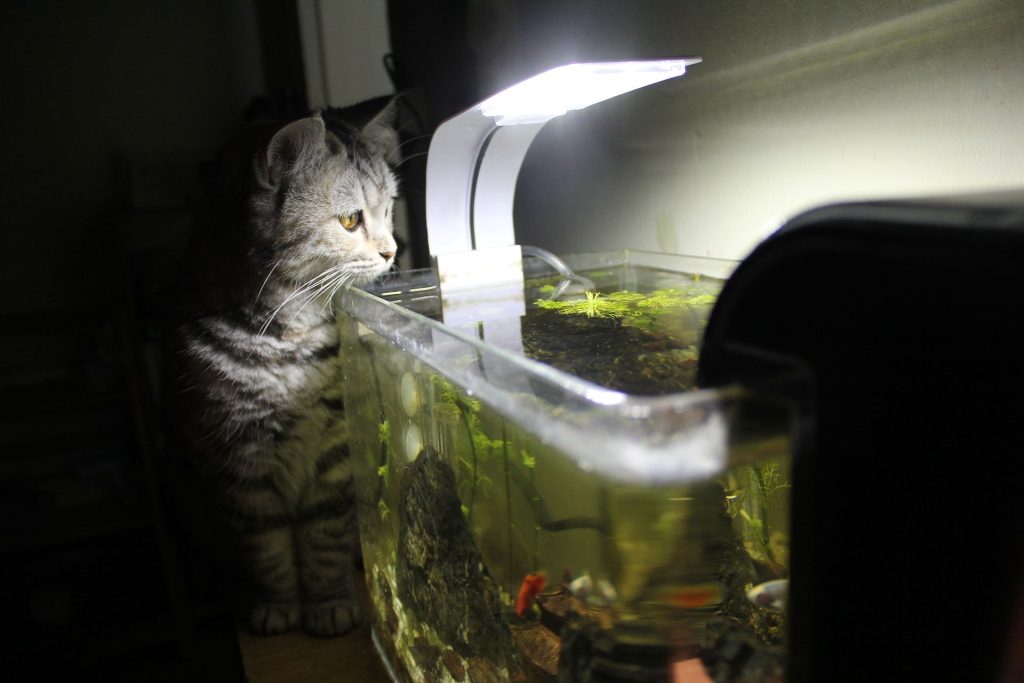
One Week Before Vacation: Check the Aquarium, Not Just the Calendar
Start preparing several days before you leave rather than doing everything the night before. Watch the fish during normal feeding, check that the filter flow looks normal, confirm the heater is maintaining the expected temperature, and test water quality if your routine or recent tank history makes testing appropriate.
If something is already wrong—such as measurable ammonia or nitrite in an established tank, unexplained fish losses, a heater that is struggling, or a filter that repeatedly stops—solve that problem before relying on the aquarium to run unattended. Vacation is not the best time to hope a failing piece of equipment lasts a little longer.
Avoid major changes that are not necessary. Do not add a large group of new fish immediately before leaving, install unfamiliar equipment without testing it, or completely rebuild the aquascape. The most dependable vacation tank is the tank that has already been stable under its normal routine.
Do a Normal Water Change Before You Leave
For most established freshwater community tanks, perform the water change that would normally be due before the trip. The goal is to begin the vacation period with good water quality, not to perform the largest possible water change simply because you will be away.
Use appropriately prepared replacement water and keep the change consistent with what the fish normally experience. If municipal water contains chlorine or chloramine, treat it as usual. Clean obvious waste from accessible substrate areas, but do not turn the session into a complete sterilization of the tank.
If the filter needs routine maintenance, do it early enough that you can confirm normal operation afterward. Avoid replacing all established biological media. A filter that has been running correctly for several days after maintenance is much more reassuring than one you disassembled an hour before leaving the house.
Make a Feeding Plan Based on How Long You Will Be Away
Do not automatically leave extra food in the aquarium. Excess food can decay, increase biological waste, and create water-quality problems while nobody is there to notice. The correct feeding plan depends on the fish species, age, health, aquarium maturity, and length of the trip.
Healthy adult fish of many commonly kept species can tolerate short periods without food better than they tolerate repeated overfeeding, but this should not be turned into a universal fasting rule. Fry, very young fish, certain high-metabolism species, fish under treatment, and animals with specialized feeding needs may require a more carefully managed plan.
If another person will feed the aquarium, portion each feeding in advance. Small labeled containers, packets, or a pill organizer can prevent a well-meaning helper from pouring in a large amount because the fish “look hungry.” Tell the helper not to add extra food even if the fish gather at the glass.
Automatic feeders
An automatic feeder can be useful for longer absences, but test it before the trip. Run it for several days over the aquarium or into a container so you know how much food it actually dispenses and whether humidity causes the food to clump. Do not install an untested feeder on the morning you leave.
Vacation feeding blocks
Do not assume a dissolving feeding block is suitable for every aquarium. Products differ, and adding a slowly dissolving material changes what is entering the water. If you use one, follow its instructions and test the approach before depending on it.
Put Lights and Essential Equipment on a Predictable Routine
Use a timer for aquarium lights rather than leaving them continuously on or off for the entire vacation. Keep the normal photoperiod unless there is a specific reason to change it. In planted tanks, a stable light schedule is easier on plants and helps avoid creating an unnecessary algae problem.
Check the heater, filter, air pump, and other essential equipment. Make sure cords are secure, drip loops are intact, filter intakes are clear, and the water level is high enough for the equipment to operate correctly. If evaporation is significant in your home, account for how far the water level may fall while you are gone.
Do not put nonessential equipment on improvised electrical setups. Power strips, timers, and extension equipment should be appropriate for the load and kept dry.
If Someone Is Checking the Tank, Give Them Simple Instructions
A helper does not need a crash course in aquarium science. They need a short list of jobs, exact feeding portions, and clear instructions about what not to do. Complexity increases the chance of mistakes.
- Feed only the pre-portioned amount on the specified days.
- Check that the filter is moving water.
- Check the thermometer or temperature display.
- Look for water leaking around the aquarium.
- Do not clean the filter or add chemicals unless specifically instructed.
- Do not replace evaporated water unless you have explained exactly how and with what water.
- Contact you or the designated aquarium-savvy person if something looks wrong.
Leave your phone number, the location of basic aquarium supplies, and an emergency contact if possible. A photograph showing what normal filter flow and water level look like can be more useful than a long written explanation.
Prepare for the Problems That Actually Matter
You cannot prevent every possible failure, but you can make common problems easier to handle. Leave enough conditioned or otherwise appropriate replacement water if a knowledgeable helper may need it. Make sure the helper knows where the main aquarium power connection is and who to contact if there is a leak or extended outage.
If the aquarium contains unusually valuable, sensitive, or specialized livestock, consider arranging for an experienced aquarist rather than relying on someone who has never maintained a tank. A shrimp breeding system, high-tech planted tank, or aquarium with medically fragile fish may need more than a simple feeding visit.
Do not ask an inexperienced helper to diagnose disease, alter pH, replace filter media, or dose medication based on guesswork. Their role should be to keep the normal routine running and alert someone knowledgeable when conditions change.
The Day You Leave: Final Vacation Tank Checklist
- Fish are behaving normally.
- Filter flow is normal.
- Heater is maintaining the expected temperature.
- Water level is correct.
- Lighting timer works.
- Automatic feeder, if used, has already been tested.
- Helper feeding portions are prepared.
- No new livestock was added at the last minute.
- No uneaten food is sitting in the aquarium.
- Lid or cover is secure where required.
- Electrical connections are dry and secure.
- Emergency contact information is easy to find.
What to Do When You Return
Observe the aquarium before immediately feeding or cleaning it. Check fish behavior, temperature, filter flow, water level, and general appearance. If everything looks normal, return to the usual routine rather than compensating with a very large meal.
If a helper has been feeding, check for accumulated food and test water if there is any reason to suspect overfeeding or equipment trouble. Perform the next appropriate water change based on the aquarium’s condition and normal schedule.
If something did go wrong, troubleshoot the cause methodically. Check water quality and equipment before adding medication or making several unrelated changes at once.
Frequently Asked Questions
How Long Can Aquarium Fish Be Left While I Am on Vacation?
There is no single safe number for every fish. Healthy adult fish of many species can handle short periods with reduced or no feeding better than chronic overfeeding, but fry, young fish, specialized feeders, sick fish, and some species need a different plan. Base the decision on the livestock and trip length.
Should I Feed Extra Before Leaving?
No. Feed normally. Overfeeding before departure does not create a useful food reserve inside the fish and can increase waste in the aquarium.
Should I Do a Big Water Change Before Vacation?
Do the normal appropriate water change rather than an unusually large change just because you are leaving. Stability is more important than trying to make the tank extra clean.
Is an Automatic Feeder Necessary?
Not always. It can be useful for longer trips or species requiring regular feeding, but it should be tested for several days before you depend on it.
Should Someone Check My Aquarium While I Am Away?
For longer trips, sensitive livestock, or systems with meaningful evaporation or equipment risk, having someone check the tank is useful. Keep their instructions simple and pre-portion food.
What Should I Do First When I Come Home?
Observe before intervening. Check livestock, temperature, filter flow, and water level, then return to the normal feeding and maintenance routine unless testing shows a problem.
Conclusion
A vacation-ready aquarium is not one that has been heavily cleaned or loaded with extra food. It is an aquarium that is already stable, has reliable equipment, begins the trip with appropriate water quality, and has a simple feeding and emergency plan.
Prepare several days ahead, test any automatic equipment before you rely on it, and make helper instructions specific. The less improvisation required while you are away, the better the chance that the freshwater community will be running normally when you return.
Sources
Providing a Home for Fish — Merck Veterinary Manual: Provides veterinary guidance on aquarium temperature, water quality, filtration, routine care, and feeding. It supports the general freshwater husbandry and vacation-preparation recommendations in this guide.
Essential Maintenance — Merck Veterinary Manual: Summarizes routine fish, equipment, temperature, feeding, and maintenance checks that help form a practical pre-vacation and weekly aquarium-care routine.