
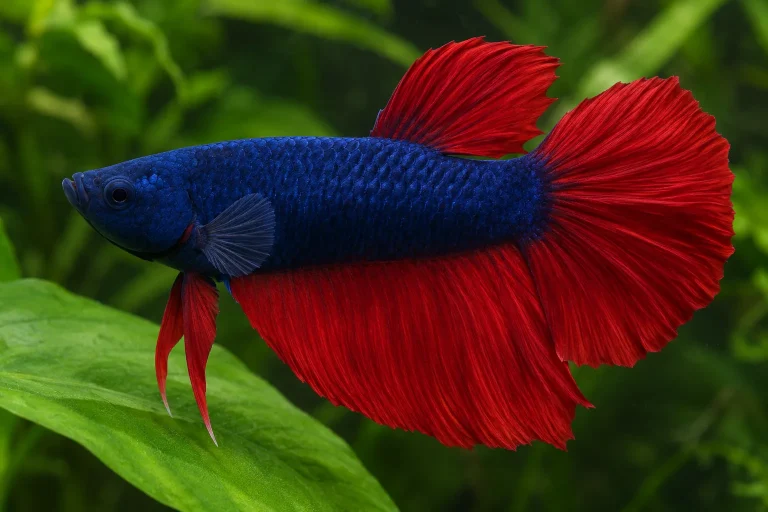
Bicolour Betta
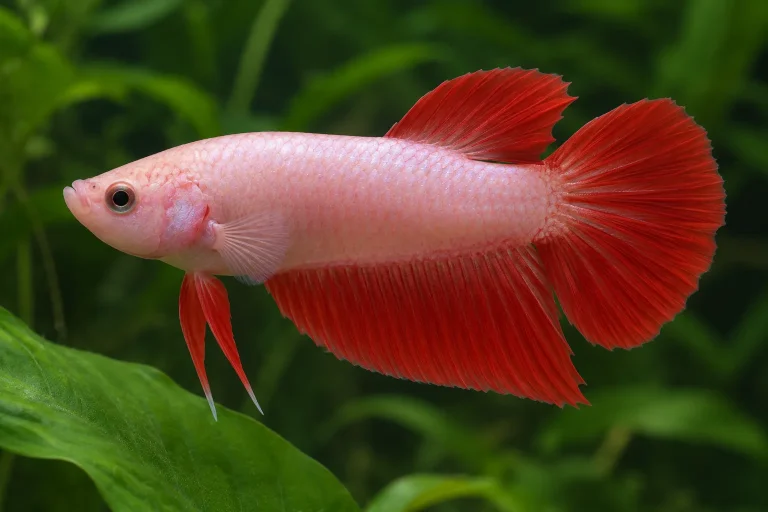
Betta splendens var. "Bicolour"
- Care level
- Beginner
- Adult size
- 5–7 cm
- Minimum tank
- 40 litres
- Temperature
- 22–30 °C
Species profile
Betta splendens
Common names: Betta, Betta Fish, Siamese Fighting Fish, Fighter Fish
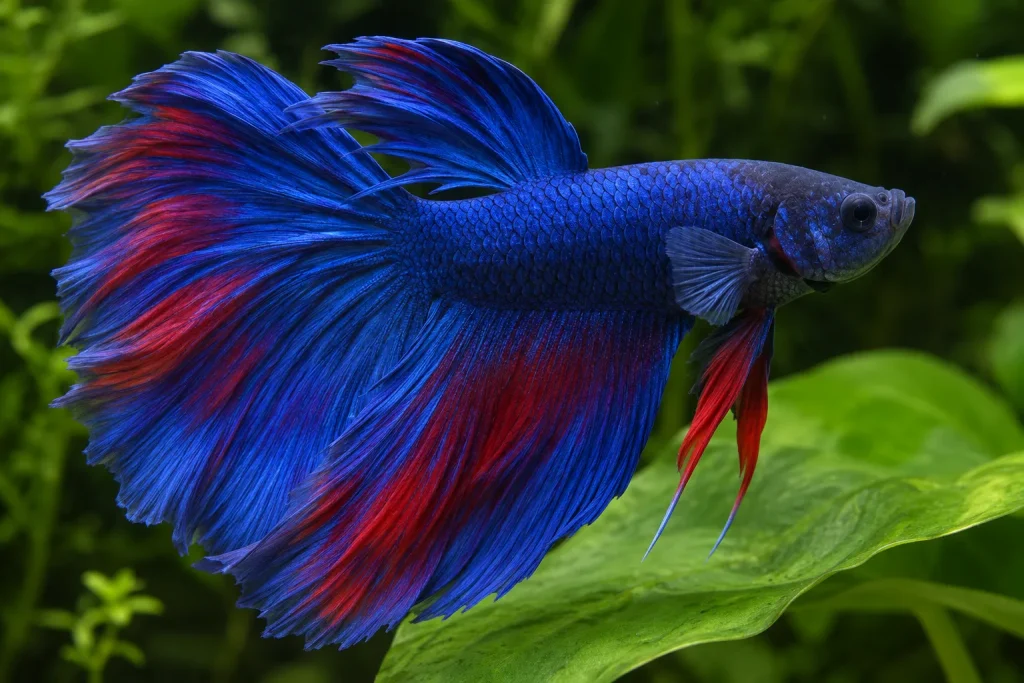
Up to 7 cm
Typical adult length 5–7 cm.





A colourful labyrinth fish from Thailand that breathes air at the surface. Males must be kept apart, and despite old advice, it needs a heated, filtered aquarium rather than a bowl.
Domestic males have long, flowing fins in reds, blues, whites, and many patterned forms. Females are smaller with shorter fins and are usually less colourful. Wild fish are much plainer.
Many fin types are sold under names such as veiltail, crowntail, halfmoon, and plakat. These are all forms of the same species, though short-finned plakats are stronger swimmers.
Males are more colourful and develop more-extended fins than females. Females often show a small white egg spot between the ventral fins.
Use a heater and a gently filtered tank, with broad leaves or floating plants for resting. Remove sharp decor that can tear long fins. A lid keeps the air above the water warm, which protects the labyrinth organ, and also prevents jumping.
Curious and often responsive to its keeper. Males patrol and flare at rivals, including their own reflection.
Best kept alone. Females can also be aggressive to each other, so a group of females is not a safe beginner setup.
Males are highly territorial and will fight other males. A male may also harass a female outside of spawning.
Not recommended for a standard community tank. Long fins attract nippers, and a male may attack fish with bright colours or flowing fins, including guppies. Calm bottom dwellers can work in larger tanks, but always have a backup plan. Shrimp may be eaten.
Long-finned domestic bettas are usually happiest at around 24 to 28 °C. Wild-collected fish likely prefer softer, more acidic water at pH 5 to 7.
A carnivore that takes small betta pellets and frozen foods from the surface.
Bettas overeat easily and have small stomachs. A swollen belly usually means too much food.
A bubble nester. The male builds a floating nest and embraces the female beneath it, then collects the eggs and guards them and the fry. Remove the female after spawning, and be ready to separate the pair quickly, because the male can seriously injure her. Fry need very small food and warm, humid air above the water.
You can write a note about what worked for you, or send a photograph. We check everything before it appears here.
Betta splendens var. "Bicolour"
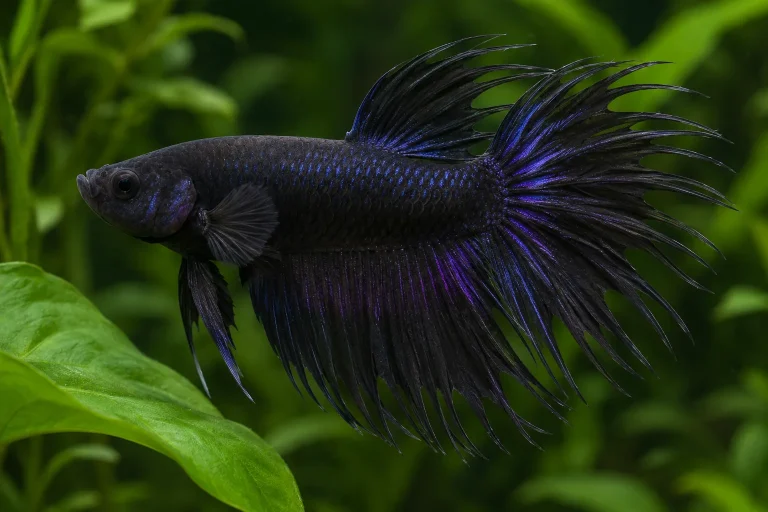
Betta splendens var. "Black Orchid"
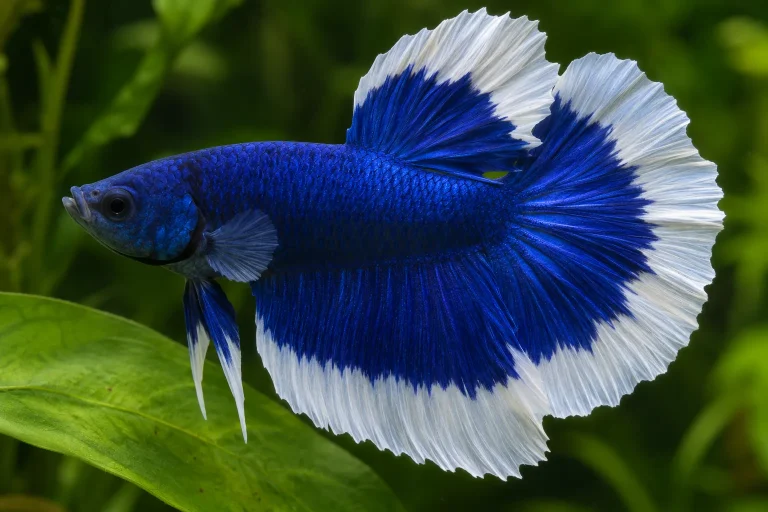
Betta splendens var. "Butterfly"
Betta splendens var. "Cambodian"