Skip to content
Menu

Species profile

Humpback Puffer

Pao palembangensis

Common names: Humpback Puffer, Dragon Puffer
Recognized speciesPufferfish
Humpback Puffer (Pao palembangensis)

Adult size

Up to 19.5 cm

Up to 19.5 cm

Countries of origin

  • See all stock from Indonesia
  • See all stock from Laos
  • See all stock from Malaysia
  • See all stock from Thailand

Good fit for your tank?

Good fit for

  • A keeper who wants one characterful, slow-moving predator
  • A large species tank with caves

Think carefully if

  • You want fish tankmates
  • You also keep shrimp or snails you want to protect, because this puffer will eat them
  • You are likely to overfeed, because adults need few meals

A chunky Southeast Asian ambush predator with a humped back. It grows to about 19 cm and adults are fed only once or twice a week.

Appearance and Identification

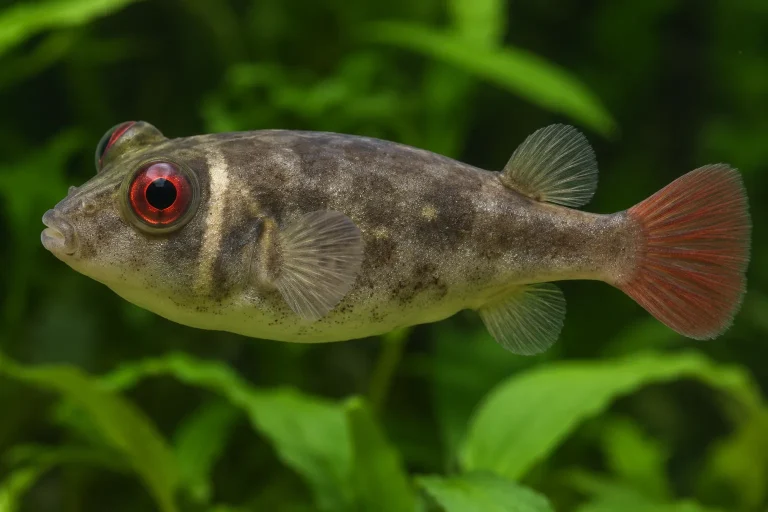
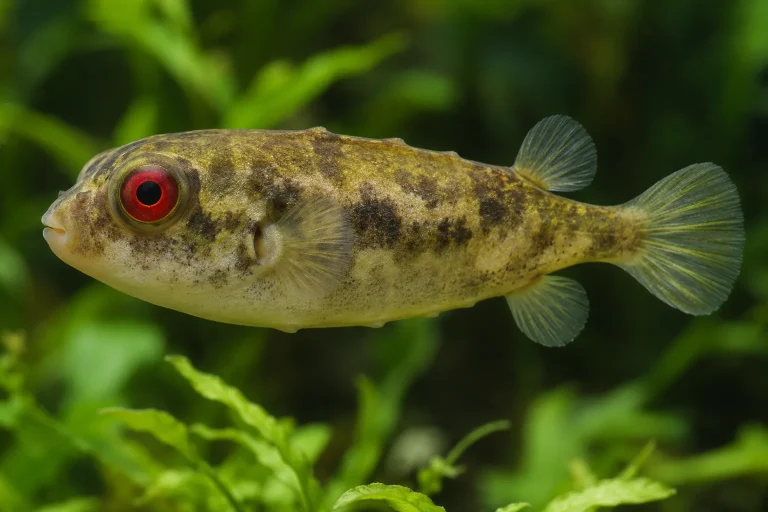
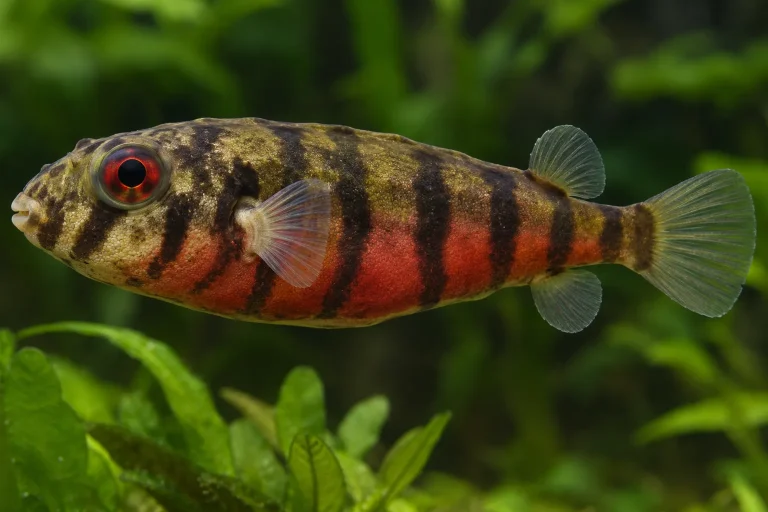
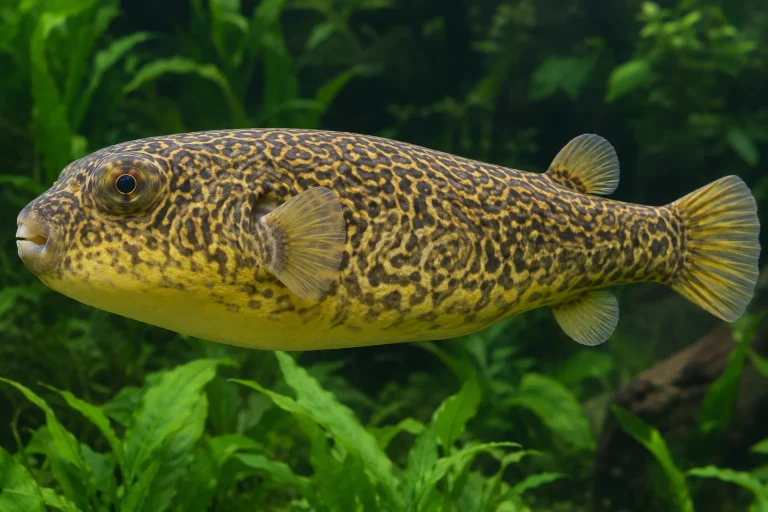
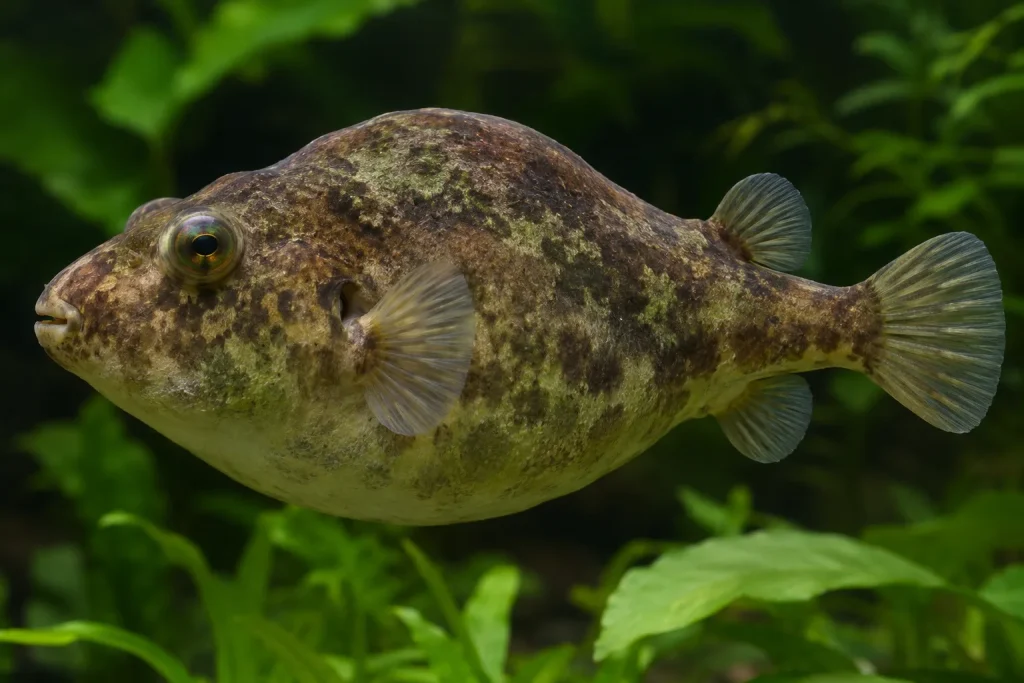
A heavy, humped puffer with a large head and mottled skin in browns and greens. Colour can change with mood.

The humped back and heavy build make it easy to recognise as an adult. Water advice varies, see below.

Unknown.

Tank Requirements

Suggested filter
About 220–320 litres an hour
Suggested heater
About 100–150 W for this tank
Minimum tank volume
108 litres
Minimum tank length
120 cm
Minimum group size
1
Recommended group size
1
Activity level
Low
Flow preference
Low
Planting preference
Moderately planted
Hiding places
Yes
Lid recommended
Yes
Jumping risk
Low

Provide a sandy bottom, caves, wood and plants. Filtration must cope with large, meaty meals.

Behaviour and Tankmates

Lies still for long periods, then lunges at food. Its keepers often enjoy its slow, deliberate character.

Best kept alone, but not especially hostile to its own kind, and several can be kept in a large tank.

Tolerant of its own kind compared with most puffers, but it will eat smaller fish.

Unsuitable for a community tank, because it eats fish. It is sometimes kept with larger, active fish, but the risk is always there. It will eat shrimp and snails.

Check tankmates for this species

Water Parameters

Temperature
24–28 °C
pH
6.8–7.6
GH
8–20
Stability importance
Very important

Seriously Fish gives moderately hard water, while Aquarium Glaser describes very soft, acidic water in its habitat. Stable, clean conditions matter most.

Parameter caveat
Puffers are messy feeders and sensitive to waste, so keep up regular water changes and use a filter rated for a larger tank.

Feeding

Diet types
Carnivore, Predator
Feeding frequency
Several times weekly
Preferred foods
  • Snails and mussels in the shellEssential. Crushing shells wears down the beak, which never stops growing.
  • Crab legs, prawns and cocklesFeed unshelled where you can, for the same reason.
  • EarthwormsA useful meaty food, and many puffers take them readily.

A carnivore that takes shellfish, worms and other live and frozen foods. Young fish eat more often than adults.

Adults are usually fed only once or twice a week. Overfeeding is a common problem, so keep an eye on its body shape.

Breeding

Breeding type
Cave Spawner
Breeding difficulty
Very difficult
Parental care
Paternal care

Very rare in aquariums. It spawns in a pit dug inside a cave, and the male cares for the eggs until they hatch.

Habitat and Origin

Geographic origin
Indonesia, Laos, Malaysia, Southeast Asia, Thailand
Natural habitat
Freshwater Stream, Pond, Slow River
Aquarium contexts
Species-Only Aquarium
Audience level
Advanced

Classification

Profile type
Recognized species
Genus
Pao
Family
Tetraodontidae
Species group
Fish, Pufferfish
Previous scientific names
Tetraodon palembangensis, Former genus, still used in many shops.

Have you kept this species?

You can write a note about what worked for you, or send a photograph. We check everything before it appears here.

Share a note or photo

JPG, PNG, or WebP, up to 5 MB.