
Explainer
Fish to Avoid with Shrimp
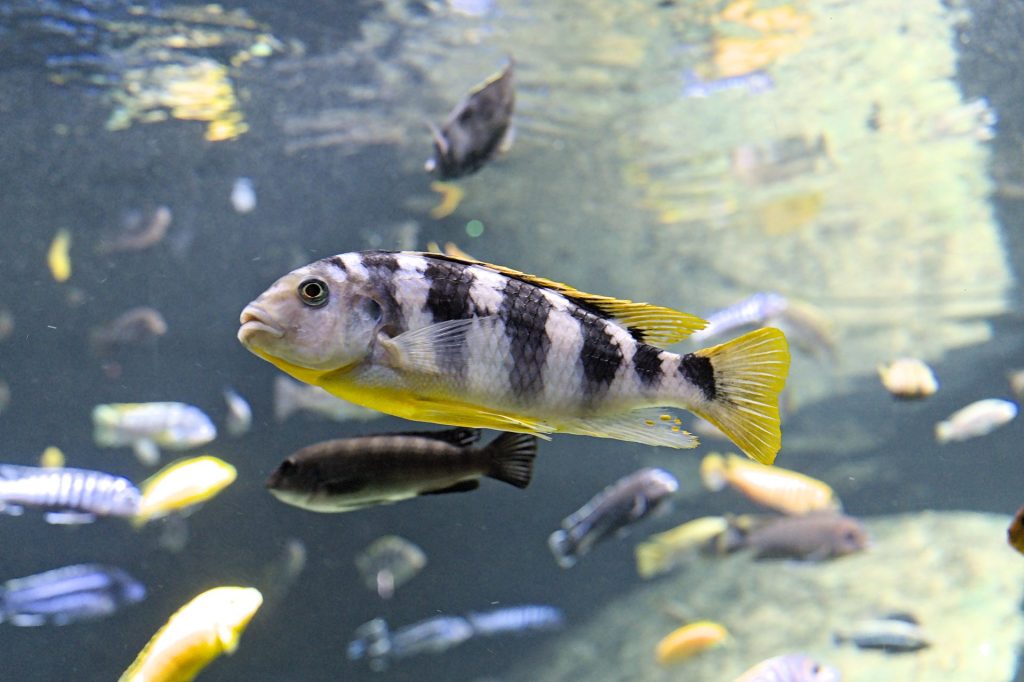
Avoid keeping shrimp with cichlids, pufferfish, most loaches, large barbs and any fish big enough to fit a shrimp in its mouth. Some bettas and gouramis hunt shrimp too, depending on the individual. For a shrimp-focused tank, choose tiny peaceful fish or keep the shrimp alone.
Why Some Fish Should Not Live With Shrimp
Shrimp are natural prey for many freshwater fish. A fish does not need to be labeled aggressive to hunt them; it only needs the mouth size and feeding behavior to recognize shrimp as food. Adult shrimp may survive while every juvenile disappears, creating the false impression that the pairing is safe.
Cichlids and Other Strong Predators
Many cichlids actively investigate and consume crustaceans, especially when the shrimp can fit in their mouths. Larger predatory fish can swallow adults outright. Heavy planting may delay encounters but cannot reliably protect a colony from a determined predator.
Pufferfish, Loaches, and Invertebrate Hunters
Freshwater puffers are specialized hunters of snails and other invertebrates and are poor shrimp companions. Many loaches also forage intensively for invertebrate prey. Their natural feeding behavior conflicts directly with maintaining a visible, breeding shrimp colony.
Bettas, Gouramis, and Individual Variation
Bettas and gouramis vary individually: some ignore adult shrimp for long periods, while others hunt them immediately. Their ability to stalk small prey means the risk remains even after a peaceful introduction. Do not use one person’s successful pairing as proof that the combination is dependable.
Large Community Fish and Opportunistic Predation
Angelfish, larger barbs, bigger tetras, and many otherwise peaceful community fish can eat dwarf shrimp or shrimplets. Temperament labels describe interactions with fish, not prey recognition. As the fish grows, a combination that worked with juveniles can become unsafe.
Why Hiding Places Do Not Guarantee Safety
Moss and dense plants are valuable refuges, especially during molting, but shrimp must leave cover to feed and reproduce. Predators also learn where prey hides. If maintaining high shrimp survival is the priority, habitat complexity should supplement compatible stocking rather than compensate for incompatible fish.
Safer Alternatives for a Shrimp-Focused Tank
A shrimp-only aquarium provides the most predictable breeding results. Snails are common companions when water parameters overlap, and carefully selected tiny fish can work when some juvenile losses are acceptable. Choose tank mates around the shrimp colony’s purpose rather than adding fish first and hoping the shrimp adapt.
Frequently Asked Questions
Will Cichlids Eat Aquarium Shrimp?
Many cichlids will hunt or consume shrimp that fit in their mouths. Risk varies by species and size, but dwarf shrimp are poor companions for many cichlid setups.
Can Bettas Live With Shrimp?
Sometimes, but individual bettas vary greatly and can begin hunting after initially ignoring shrimp. Treat the combination as a predation risk.
Are Pufferfish Safe With Shrimp?
Generally no. Puffers are active invertebrate hunters, and shrimp can be viewed as prey rather than tank mates.
Do Hiding Places Protect Shrimp From Predatory Fish?
They improve survival chances but do not guarantee safety. Shrimp must leave cover to feed, and determined fish can hunt around refuges.
Can Large Peaceful Fish Still Eat Shrimp?
Yes. A fish can be peaceful toward other fish while opportunistically swallowing a shrimp. Mouth size and diet matter as much as temperament.
Why Are My Adult Shrimp Alive but Babies Missing?
Fish may ignore or be unable to catch adults while consuming newly hatched shrimplets. This pattern is common in mixed shrimp-and-fish aquariums.
What Is the Safest Setup for Breeding Shrimp?
A shrimp-only aquarium with stable parameters, mature biofilm, gentle filtration, and ample cover gives the most predictable juvenile survival.