Skip to content
Menu

Species profile

Amazon Puffer

Colomesus asellus

Common names: Amazon Puffer, South American Puffer, SAP
Recognized speciesPufferfish
Amazon Puffer (Colomesus asellus)

Adult size

Up to 12.8 cm

Up to 12.8 cm

Countries of origin

  • See all stock from Brazil
  • See all stock from Ecuador
  • See all stock from Guyana
  • See all stock from Peru
  • See all stock from Venezuela

Good fit for your tank?

Good fit for

  • A group of six or more in a long, well-filtered tank
  • A snail problem in a fish-only tank
  • Keepers who enjoy a restless, always-moving fish

Think carefully if

  • You also keep shrimp or snails you want to protect, because this puffer will eat them
  • You only want one, because lone fish are often nervous
  • You cannot commit to frequent water changes

A social freshwater puffer from the Amazon that does best in a group of six or more. It is restless, needs clean, moving water and eats snails with ease.

Appearance and Identification

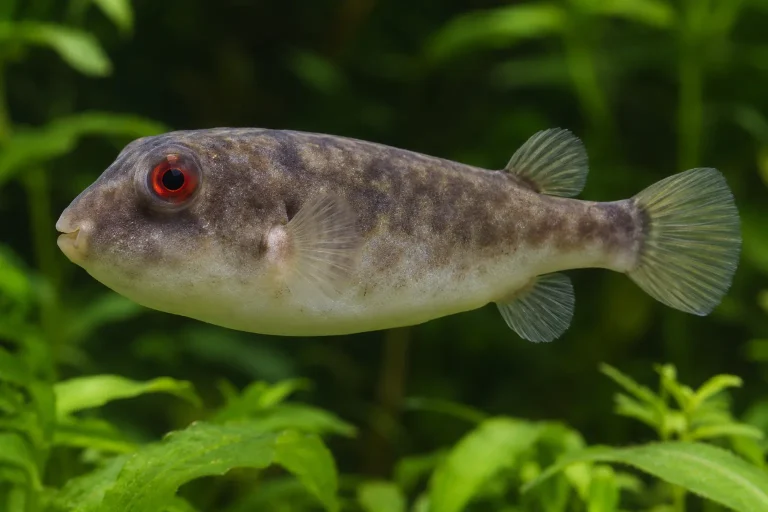
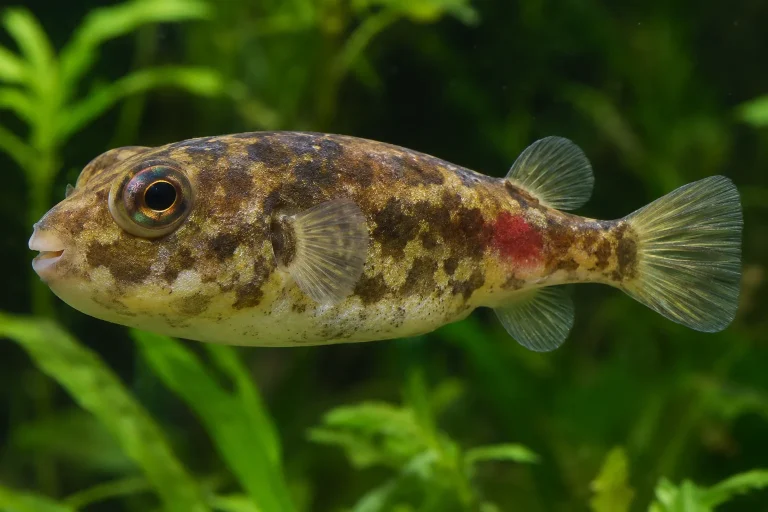
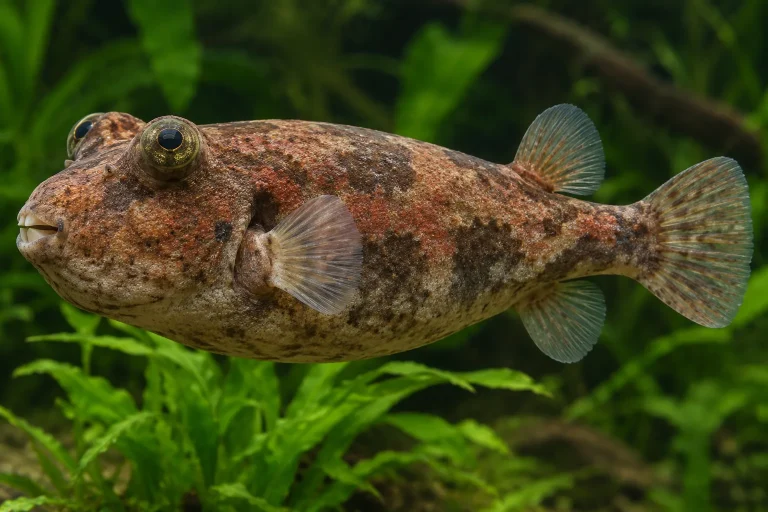
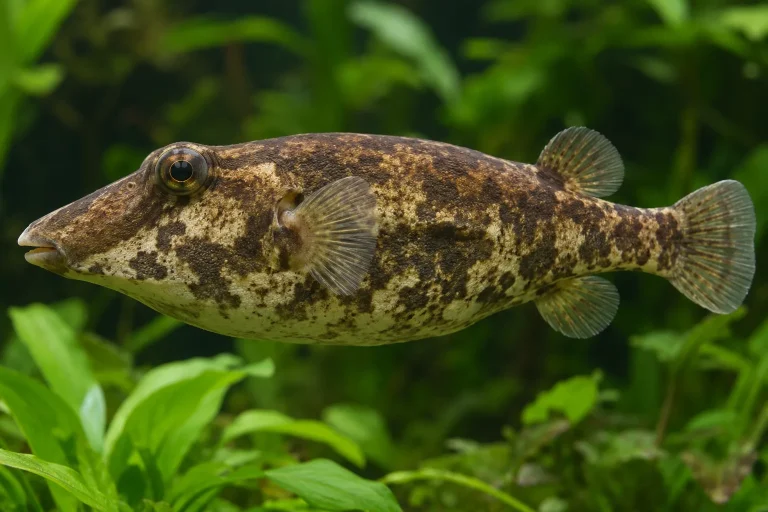
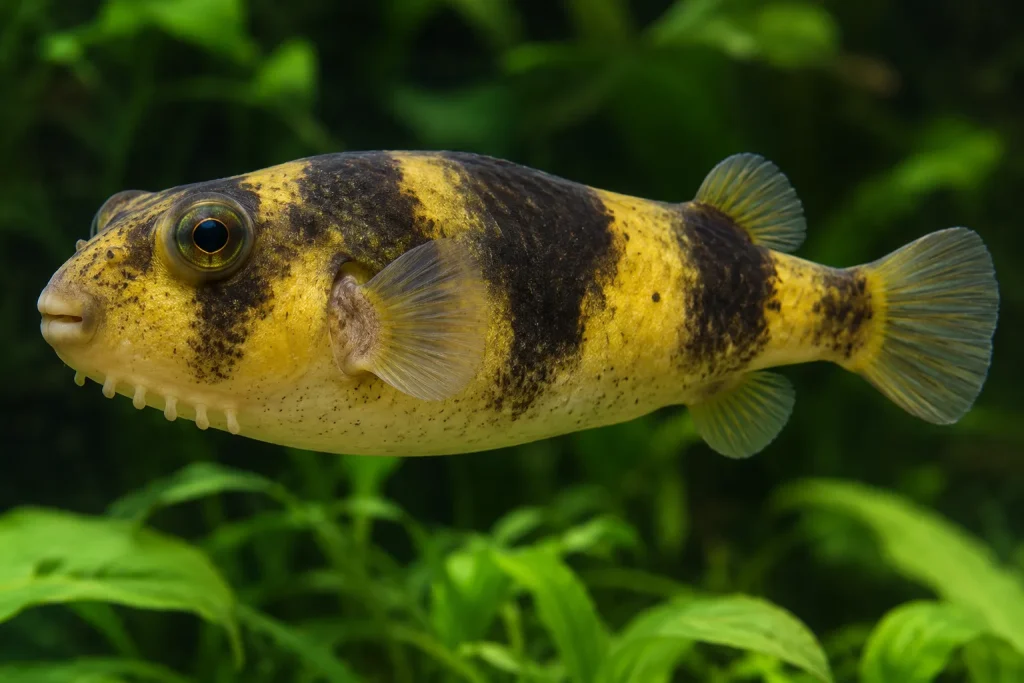
A small puffer with a yellow-gold body and broad dark bands across the back, and a row of small skin flaps across the chin.

The row of skin flaps across the chin separates it from its relatives. It is the only puffer commonly sold from South America.

No reliable way to tell the sexes apart has been confirmed.

Tank Requirements

Suggested filter
About 430–540 litres an hour
Suggested heater
About 100–150 W for this tank
Minimum tank volume
108 litres
Minimum tank length
120 cm
Minimum group size
1
Recommended group size
6
Activity level
Very active
Flow preference
Moderate
Planting preference
Mixed planting and open space
Hiding places
Yes
Lid recommended
Yes
Jumping risk
Low

Decorate well with wood and overhanging or floating plants, and add extra flow and oxygen if needed. Treat 108 litres as the lower limit, and go larger for a group. Expect weekly water changes of 30 to 50 percent.

Behaviour and Tankmates

Forms loose groups and is rarely still. It is more restless than most puffers and can seem nervous alone.

Naturally social. Buy six or more if you can.

Not strongly territorial, although squabbles occur over food.

Not aggressive as such, but unsuited to the general community tank. It may nip fins, so tankmates must be fast, river-dwelling fish. It will eat shrimp and snails.

Check tankmates for this species

Water Parameters

Temperature
20–26 °C
pH
5.5–8
GH
2–15
Stability importance
Very important

Freshwater only, with a fairly wide tolerance. It prefers cooler water than most puffers and strong oxygen levels.

Parameter caveat
Puffers are messy feeders and sensitive to waste, so keep up regular water changes and use a filter rated for a larger tank.

Feeding

Diet types
Carnivore
Feeding frequency
Daily
Preferred foods
  • Snails and mussels in the shellEssential. Crushing shells wears down the beak, which never stops growing.
  • Crab legs, prawns and cocklesFeed unshelled where you can, for the same reason.
  • EarthwormsA useful meaty food, and many puffers take them readily.

Eats mostly snails and crustaceans. Feed shelled foods regularly, along with frozen meaty foods.

Check the beak regularly. If it overgrows, the fish can no longer eat and the teeth may need to be trimmed by someone experienced.

Breeding

Breeding difficulty
Not commonly bred
Parental care
Unknown

Not recorded in aquariums. In the wild it produces many small eggs, more like marine puffers than other freshwater puffers.

Habitat and Origin

Geographic origin
Brazil, Ecuador, Guyana, Peru, South America, Venezuela
Natural habitat
Floodplain, Freshwater River, River
Aquarium contexts
Large Freshwater Aquarium, Species-Only Aquarium
Audience level
Advanced

Classification

Profile type
Recognized species
Genus
Colomesus
Family
Tetraodontidae
Species group
Fish, Pufferfish

Have you kept this species?

You can write a note about what worked for you, or send a photograph. We check everything before it appears here.

Share a note or photo

JPG, PNG, or WebP, up to 5 MB.