Skip to content
Menu

Species profile

Hairy Puffer

Pao baileyi

Common names: Hairy Puffer
Recognized speciesPufferfish
Hairy Puffer (Pao baileyi)

Adult size

Up to 12 cm

Up to 12 cm

Countries of origin

  • See all stock from Laos
  • See all stock from Thailand

Good fit for your tank?

Good fit for

  • A collector who wants a rare and unusual single fish

Think carefully if

  • You want tankmates
  • You also keep shrimp or snails you want to protect, because this puffer will eat them
  • Price matters, because it is usually expensive

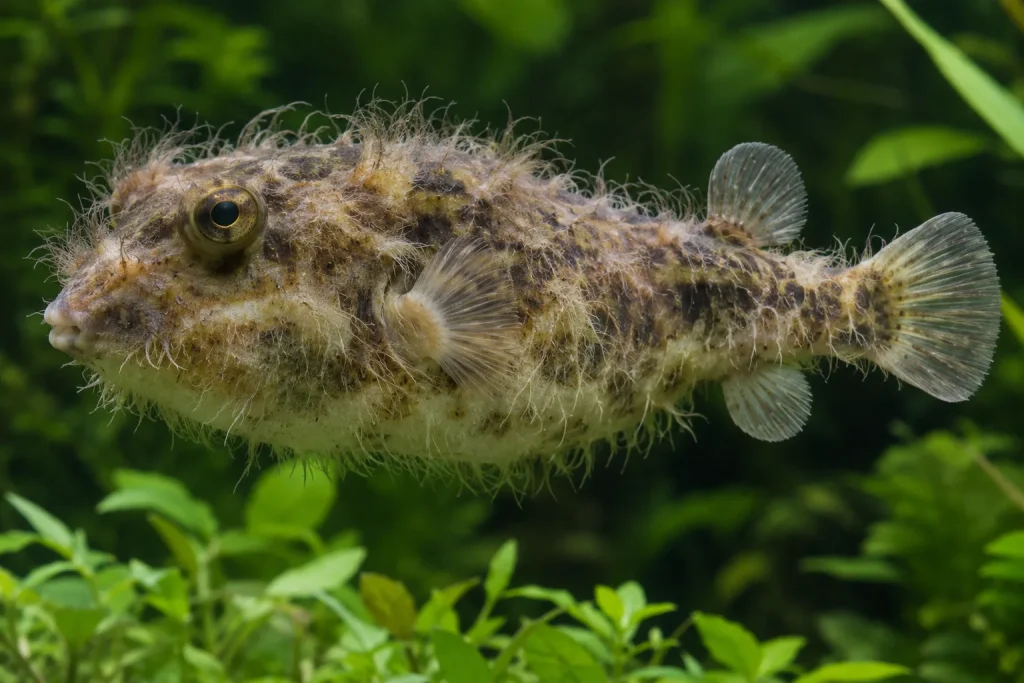
A rare Mekong puffer covered in hair-like skin growths that help it hide among rocks. It grows to 12 cm, and it must be kept alone.

Appearance and Identification

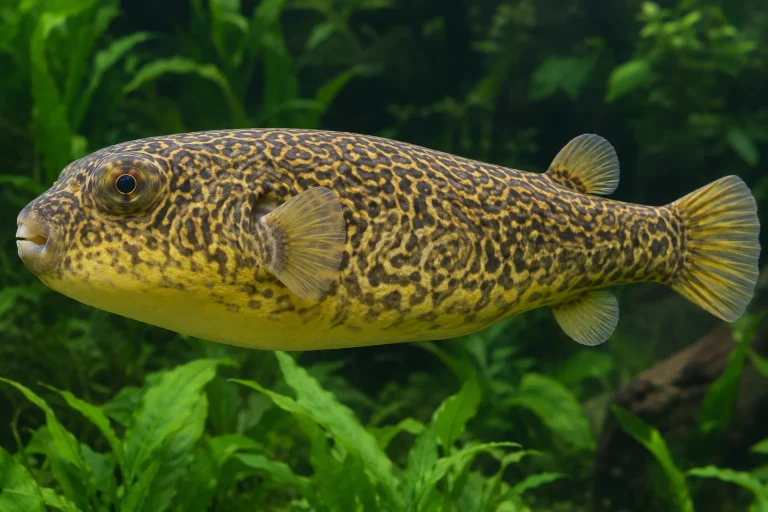
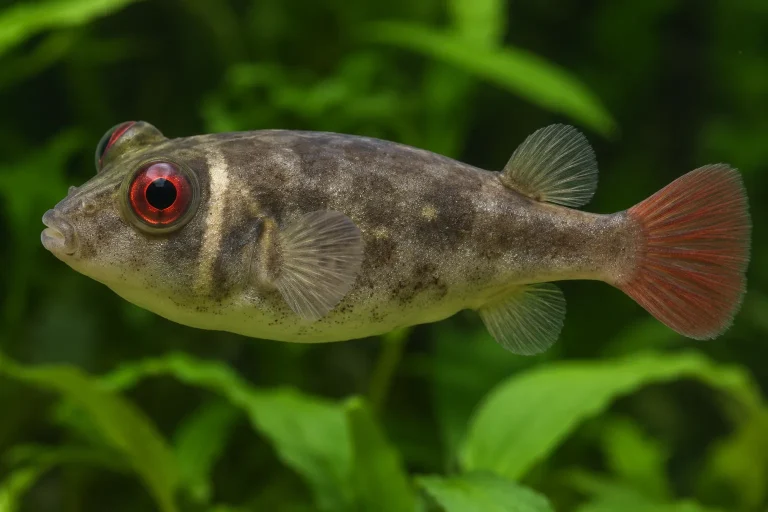
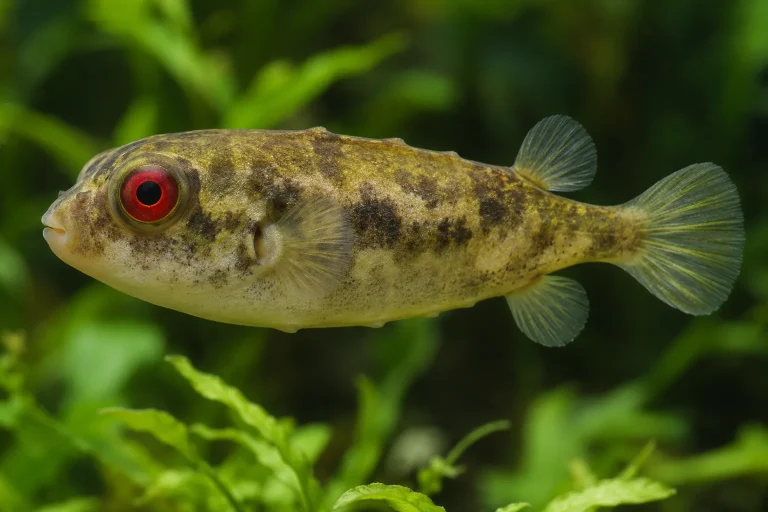
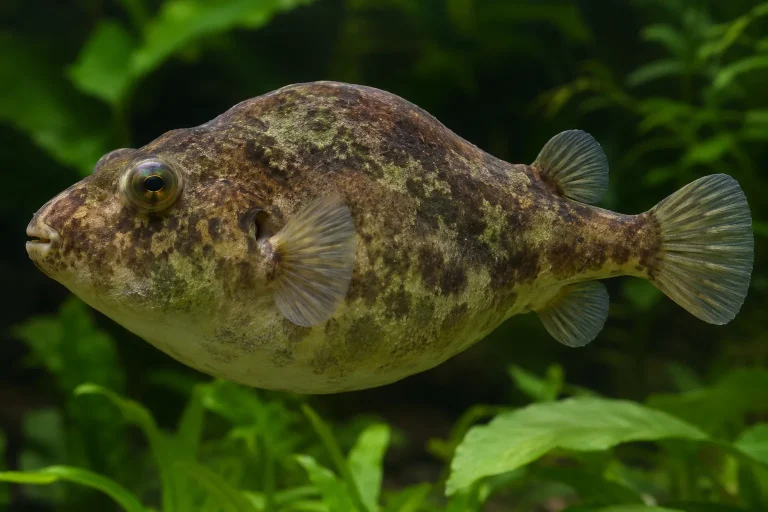
A mottled body in brown, cream and grey, covered in soft hair-like growths that make its outline hard to see.

No other commonly traded puffer has this hairy appearance.

Males are said to have more of the hair-like growths than females, but this is unconfirmed.

Tank Requirements

Suggested filter
About 270–340 litres an hour
Suggested heater
About 75–100 W for this tank
Minimum tank volume
68 litres
Minimum tank length
75 cm
Minimum group size
1
Recommended group size
1
Activity level
Low
Flow preference
Moderate
Planting preference
Lightly planted
Hiding places
Yes
Lid recommended
Yes
Jumping risk
Low

Use rock cover and well-oxygenated water with some current, to match its rocky river home.

Behaviour and Tankmates

A largely still fish that relies on camouflage, and strikes quickly when something comes close.

Keep alone. It should never be kept in groups.

Very aggressive towards its own kind.

Keep alone. Its beak can bite chunks from other fish. It will eat shrimp and snails.

Check tankmates for this species

Water Parameters

Temperature
23–27 °C
pH
6.5–7.5
Stability importance
Very important

Few measurements exist. One batch of fish was collected in water close to neutral pH, so keep it around neutral. No hardness figure was found.

Parameter caveat
Puffers are messy feeders and sensitive to waste, so keep up regular water changes and use a filter rated for a larger tank.

Feeding

Diet types
Carnivore, Predator
Feeding frequency
Daily
Preferred foods
  • Snails and mussels in the shellEssential. Crushing shells wears down the beak, which never stops growing.
  • Crab legs, prawns and cocklesFeed unshelled where you can, for the same reason.
  • EarthwormsA useful meaty food, and many puffers take them readily.

A carnivore. Feed shellfish and snails in the shell, along with worms and frozen foods.

Check the beak regularly. If it overgrows, the fish can no longer eat and the teeth may need to be trimmed by someone experienced.

Breeding

Breeding difficulty
Not commonly bred
Parental care
Unknown

Not thought to have been bred in aquariums, probably because of its temper and high price.

Habitat and Origin

Geographic origin
Laos, Southeast Asia, Thailand
Natural habitat
Fast Stream, River
Aquarium contexts
Collector Aquarium, Species-Only Aquarium
Audience level
Advanced

Classification

Profile type
Recognized species
Genus
Pao
Family
Tetraodontidae
Species group
Fish, Pufferfish
Previous scientific names
Tetraodon baileyi, Former genus, still used in many shops.

Have you kept this species?

You can write a note about what worked for you, or send a photograph. We check everything before it appears here.

Share a note or photo

JPG, PNG, or WebP, up to 5 MB.