
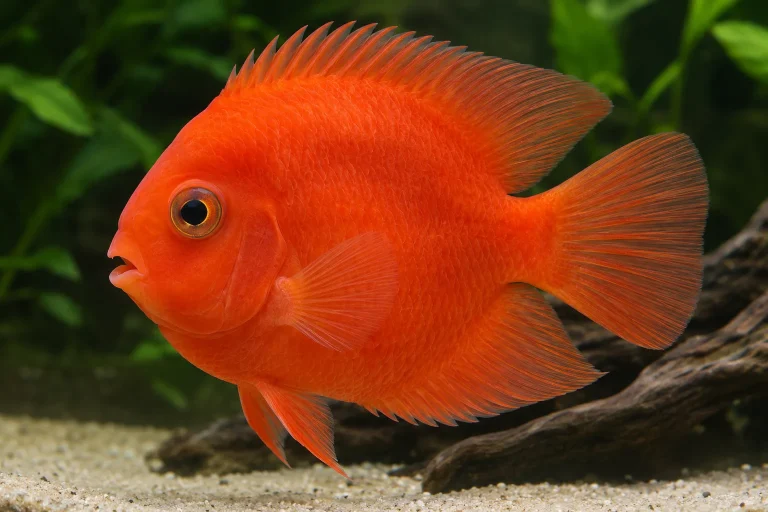
Parrot Cichlid
Amphilophus citrinellus × Vieja melanurus
- Care level
- Intermediate
- Adult size
- 15–25 cm
- Minimum tank
- 250 litres
- Temperature
- 24–28 °C
Species profile
Astronotus ocellatus
Common names: Oscar, Oscar Cichlid
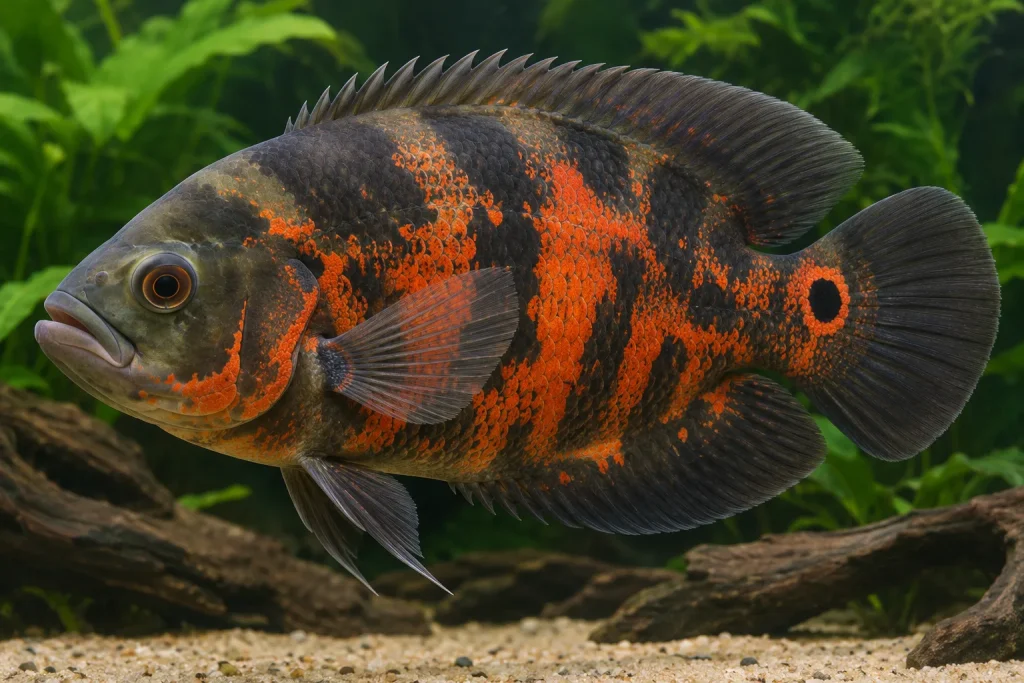
Up to 35 cm
Typical adult length 25–35 cm.









A large, intelligent, messy cichlid requiring a broad aquarium, heavy filtration, and carefully selected companions.
A heavy-bodied cichlid with black, brown, orange, or red mottling and an eye-like mark near the tail. Captive tiger, red, albino, and lutino forms are common.
Juvenile and domestic patterns vary widely. The caudal ocellus and Astronotus body shape separate it from unrelated fish sold under similar names.
External sex differences are unreliable. The genital papilla during spawning is the most useful indicator.
Provide a wide aquarium with heavy filtration, a secure lid, open swimming space, large wood or rounded rocks, and décor that cannot be toppled. A pair requires substantially more room.
Interactive, food-motivated, territorial, and capable of swallowing smaller tank mates.
Keep singly, as a proven pair, or with selected large fish in a very large aquarium. Random adult pairing can cause injury.
Pairs defend broad spawning and fry areas.
Only with robust similarly sized fish that cannot be swallowed and do not require different water. Avoid shrimp, small fish, and delicate species.
Oscars tolerate a broad range but need stable temperature, low nitrogen waste, and strong oxygenation.
Some links may earn us a commission on qualifying purchases, at no extra cost to you. Check suitability, price and availability with the seller. How affiliate links work
 Manual aquarium siphon and gravel cleaner
A manual siphon for routine aquarium water changes and accessible waste removal. The seller lists a hose approximately 1.6 m long.
Control the flow and keep the intake clear of fish and delicate planting. Clean the areas appropriate for your substrate and layout rather than disturbing the entire planted bed.
An opportunistic omnivorous predator taking fish, crustaceans, insects, fruits, and prepared foods.
Use quality pellets as the staple. Avoid feeder fish and mammal meat; both increase disease or nutritional risk.
A biparental substrate spawner. A pair cleans a flat rock or tank floor, lays a large clutch, and guards eggs and fry.
You can write a note about what worked for you, or send a photograph. We check everything before it appears here.
Amphilophus citrinellus × Vieja melanurus
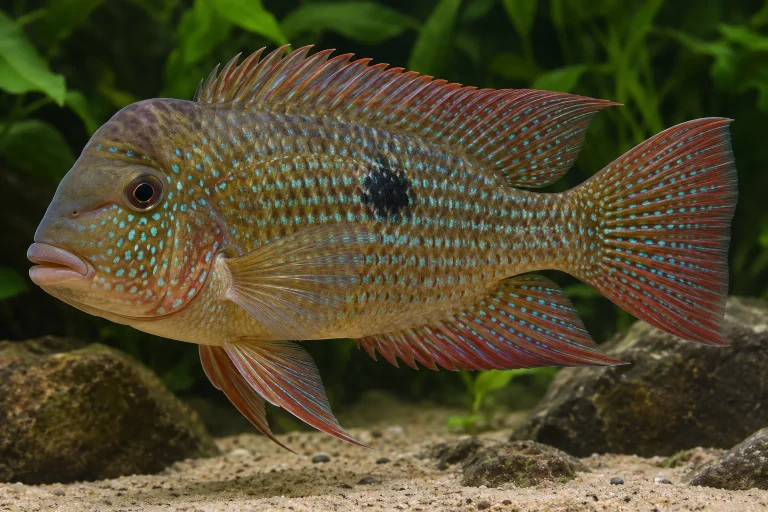
Geophagus brasiliensis
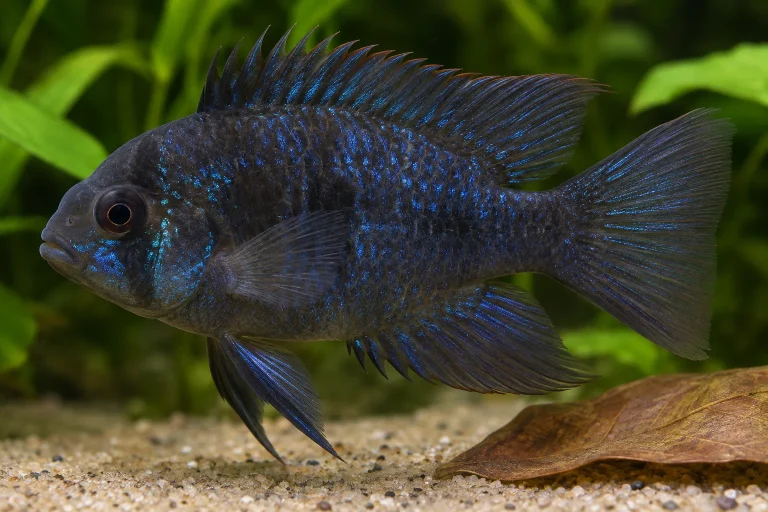
Mikrogeophagus ramirezi var. "Dark Knight"
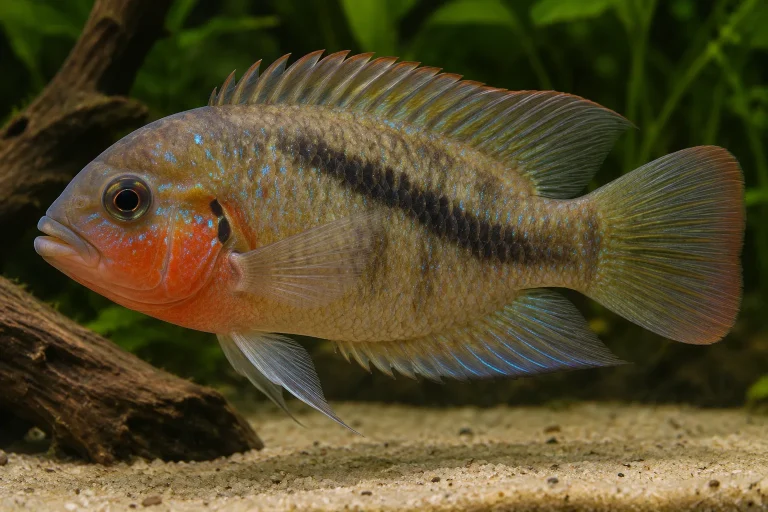
Krobia xinguensis