
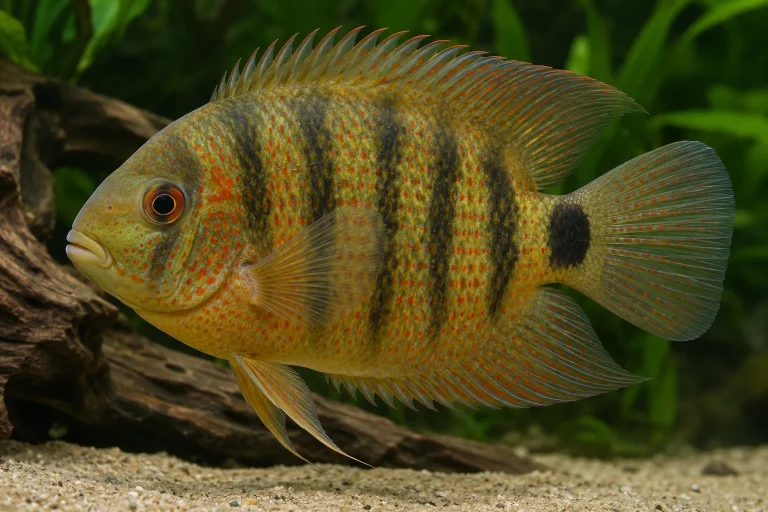
Severum Cichlid
Heros efasciatus
- Care level
- Intermediate
- Adult size
- 18–25 cm
- Minimum tank
- 350 litres
- Temperature
- 24–29 °C
Species profile
Heros severus
Common names: Severum Cichlid, True Severum, Banded Cichlid
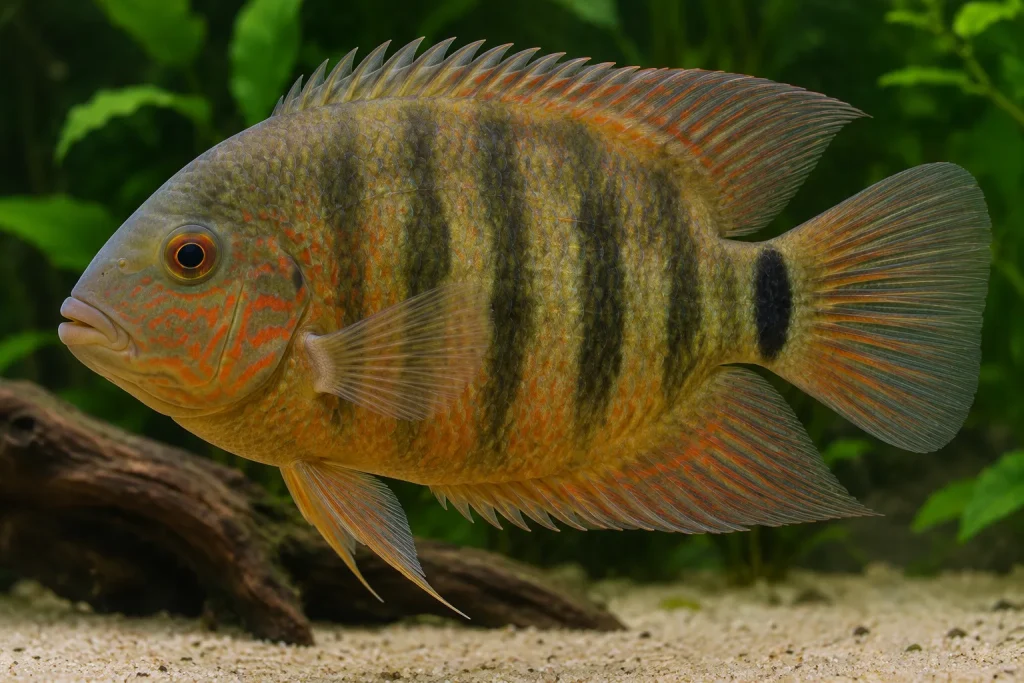
Up to 22 cm
Typical adult length 16–22 cm.




The true Heros severus, a soft-water Orinoco and upper Rio Negro cichlid whose parents take larvae into the mouth.
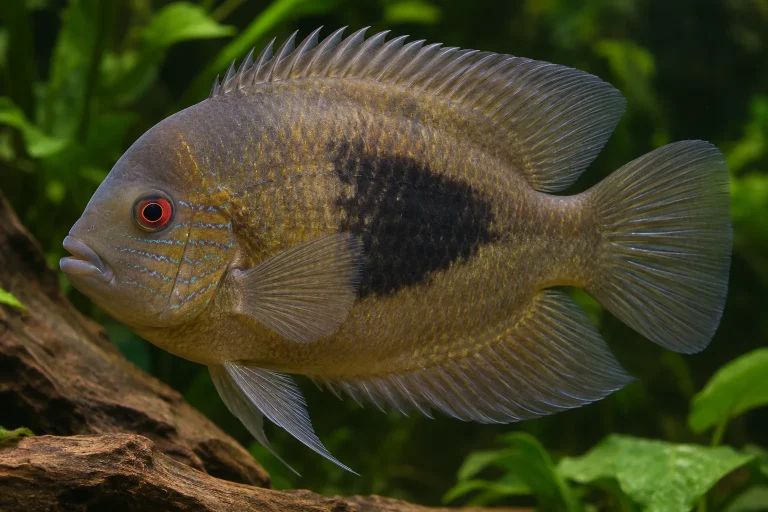
A deep oval cichlid with vertical bars, subdued green-brown colour, red or orange accents, and a dark mark near the tail.
True H. severus is uncommon in the trade and is often confused with H. efasciatus. Locality and larvophilic mouthbrooding behaviour are important.
Males may be larger and longer-finned, but the sexes remain similar outside breeding.
Provide a large mature aquarium with wood, roots, open swimming room, protected plants, gentle flow, and soft-water conditions.
Generally peaceful for its size, becoming territorial around spawning and mouthbrooding periods.
Can be kept as a pair or group in a large structured aquarium.
Pairs defend the spawning site, then protect larvae and fry while using the mouth for transport and shelter.
Use robust peaceful warm soft-water companions. Avoid tiny fish, shrimp, aggressive cichlids, and delicate plants.
Soft acidic water reflects its natural range and is preferred for breeding. Stable low-mineral conditions are important.
Some links may earn us a commission on qualifying purchases, at no extra cost to you. Check suitability, price and availability with the seller. How affiliate links work
 Manual aquarium siphon and gravel cleaner
A manual siphon for routine aquarium water changes and accessible waste removal. The seller lists a hose approximately 1.6 m long.
Control the flow and keep the intake clear of fish and delicate planting. Clean the areas appropriate for your substrate and layout rather than disturbing the entire planted bed.
An omnivore taking plant material, fruits, seeds, invertebrates, and prepared foods.
Provide substantial vegetable matter and avoid excessive rich animal protein.
A biparental larvophilic mouthbrooder. Eggs are laid on stones or roots and defended; after hatching, larvae are taken into the parents’ mouths.
You can write a note about what worked for you, or send a photograph. We check everything before it appears here.
Heros efasciatus
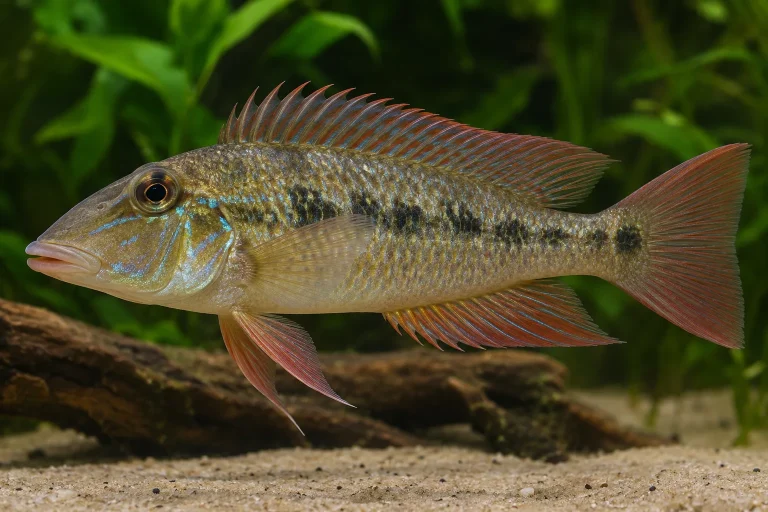
Satanoperca acuticeps
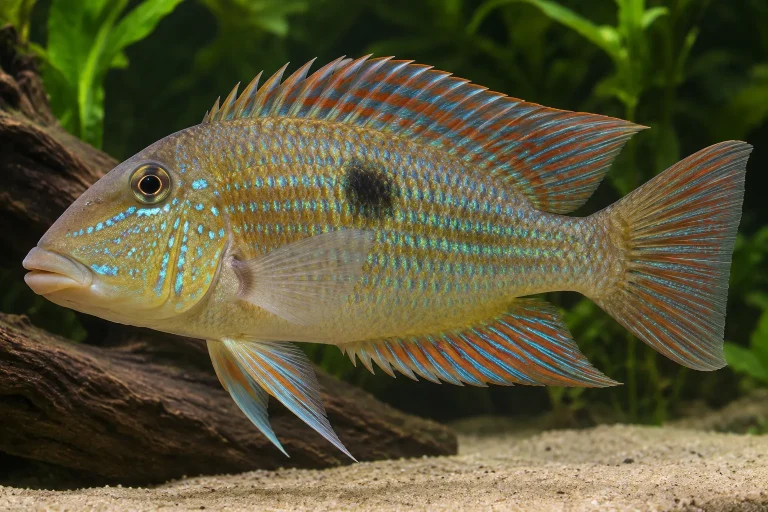
Geophagus sveni
Uaru amphiacanthoides