
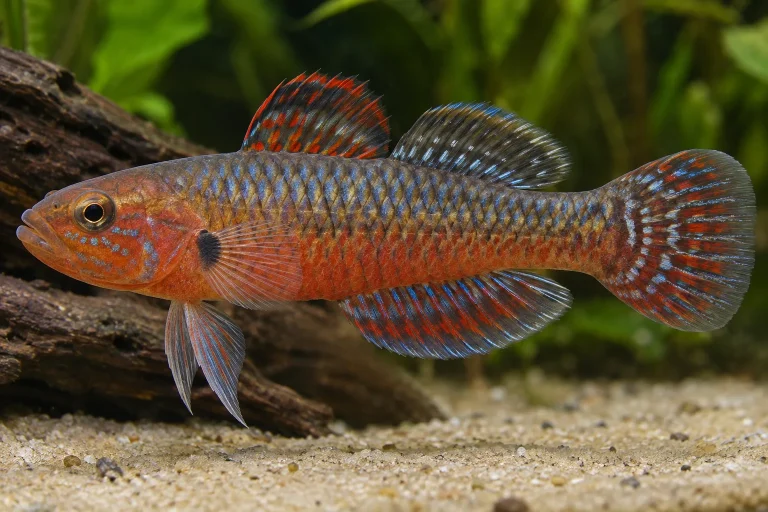
Empire Gudgeon
Hypseleotris compressa
- Care level
- Intermediate
- Adult size
- 5–12 cm
- Minimum tank
- 100 litres
- Temperature
- 20–28 °C
Species profile
Carassius auratus
Common names: Common Goldfish, Goldfish, Comet Goldfish, Shubunkin
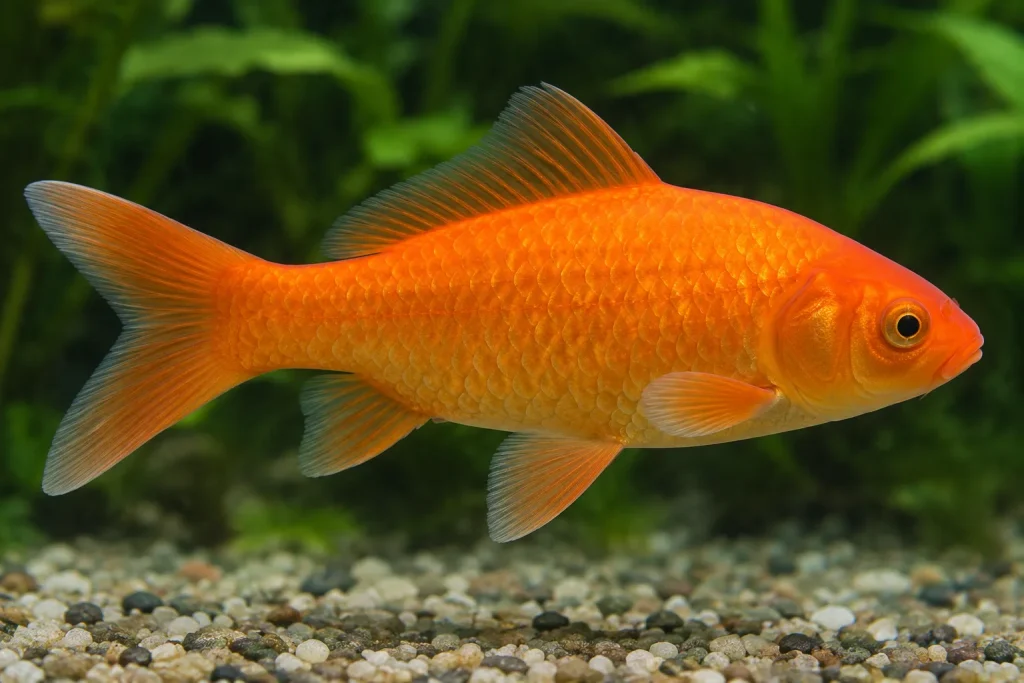
Up to 22 cm
Typical adult length 12–22 cm.





A long-lived coldwater fish that grows far larger than most people expect. Common goldfish need a large, well-filtered aquarium or a pond, and they should never be kept in bowls.
A long, torpedo-shaped body with a single tail in the common form, in orange, red, white, or mixed colours. Comets have longer tails, and shubunkins have a calico pattern.
Single-tailed common, comet, and shubunkin types are much stronger swimmers than fancy goldfish, and the two groups should usually be kept apart.
Hard to tell outside the breeding season. Males develop small white breeding tubercles on the gill covers and pectoral fins, and females become rounder when full of eggs.
Use strong filtration with plenty of oxygen, large water changes, and open swimming space. Soft plants may be eaten or uprooted, so choose robust plants or use wood and smooth stones.
Active and sociable, spending much of the day foraging along the floor of the aquarium.
Goldfish are social and do better with others of their kind, so plan space for at least two.
Not territorial. Males chase females persistently during the breeding season.
Best with other common goldfish. Avoid tropical species, which need warmer water, and fancy goldfish, which cannot compete for food. Shrimp and small fish are likely to be eaten.
A coldwater fish that does best at about 20 to 22 °C, with temperatures above 30 °C being harmful. Hardy types tolerate colder water than fancy goldfish, and ponds in frosty climates should be at least 80 cm deep.
An omnivore that lacks a true stomach and benefits from small meals with plenty of plant matter.
Small meals are better than one large one, because goldfish have no true stomach. Overfeeding quickly increases waste.
Spawning usually follows a significant temperature change, often in spring. Males chase gravid females and nudge them to release eggs. Adhesive eggs attach to dense plants or a spawning mop and hatch within 48 to 72 hours. Adults may eat the young, so move eggs or fry to a separate tank.
You can write a note about what worked for you, or send a photograph. We check everything before it appears here.
Hypseleotris compressa
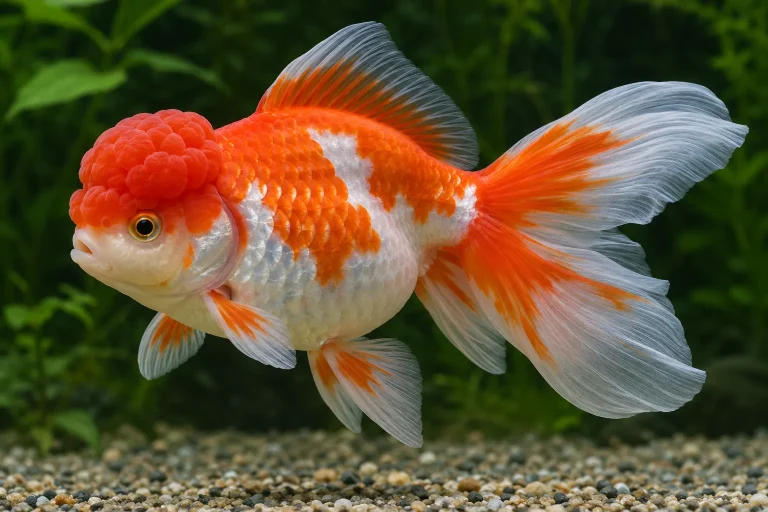
Carassius auratus
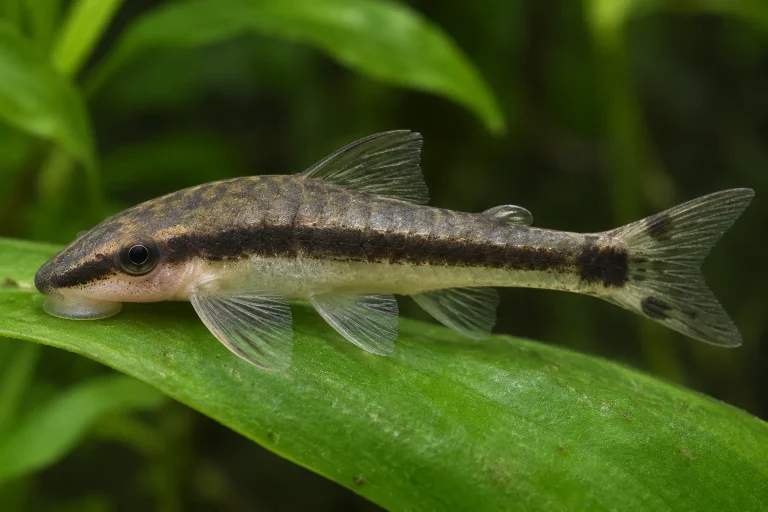
Otocinclus macrospilus
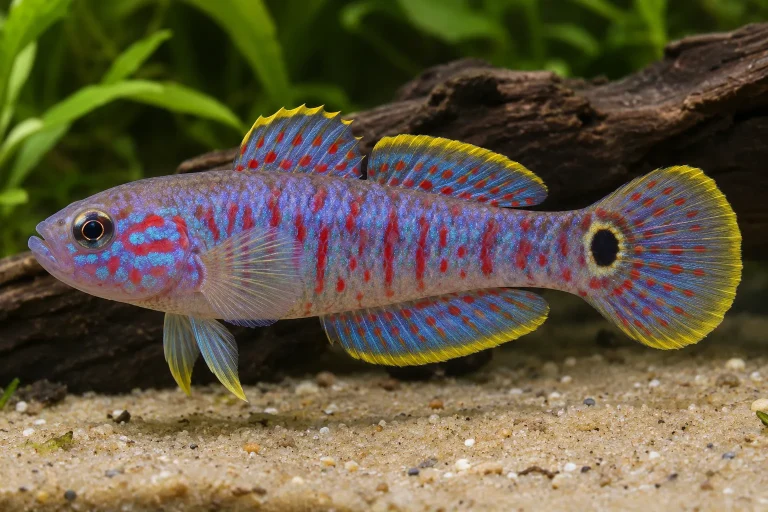
Tateurndina ocellicauda