
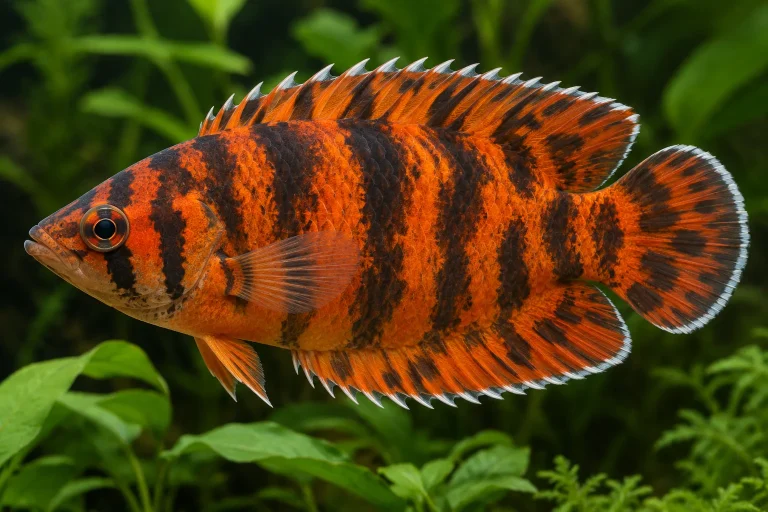
Ornate Ctenopoma
Microctenopoma ansorgii
- Care level
- Intermediate
- Adult size
- 7 cm
- Minimum tank
- 68 litres
- Temperature
- 20–27 °C
Species profile
Ctenopoma weeksii
Common names: Mottled Ctenopoma, Marbled Climbing Perch, Sharpnose Climbing Perch
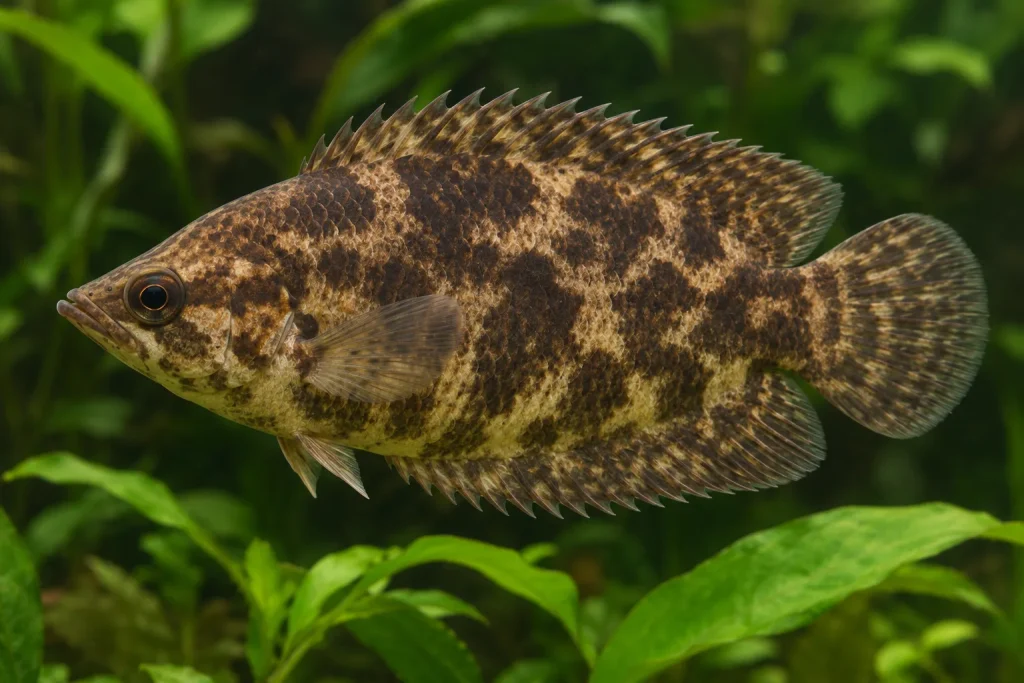
Up to 10 cm


An African relative of the gouramis, with a mottled body and a patient, ambush style of hunting. Keep alone or in a small group in 68 litres or more.
An African relative of the gouramis, with a mottled body and a patient, ambush style of hunting. It will eat any fish small enough to swallow.
Check the scientific name when buying, as common names vary between sellers and countries.
Sexes are usually hard to tell apart.
Allow plenty of room, use a very secure lid and fit strong filtration. Predators produce a lot of waste, and many are strong jumpers.
A predator that spends much of its time watching and waiting for prey.
Usually best alone, or in a very large tank with others of its size.
Many are intolerant of their own kind.
It will eat any fish that fits in its mouth, so keep it with fish too big to swallow, or alone. It is likely to eat shrimp.
Keep the pH steady, because this fish is sensitive to swings. Keep the temperature steady.
An ambush predator that eats insects, worms and small fish. Offer frozen bloodworm, mysis and earthworms; some learn to take pellets.
Feed small amounts, and remove anything left after a few minutes.
An egg scatterer with no parental care. Adults eat eggs and fry, so use a separate tank with fine plants, moss or mesh on the bottom, and remove the adults after spawning. The fry need very small foods at first.
You can write a note about what worked for you, or send a photograph. We check everything before it appears here.
Microctenopoma ansorgii
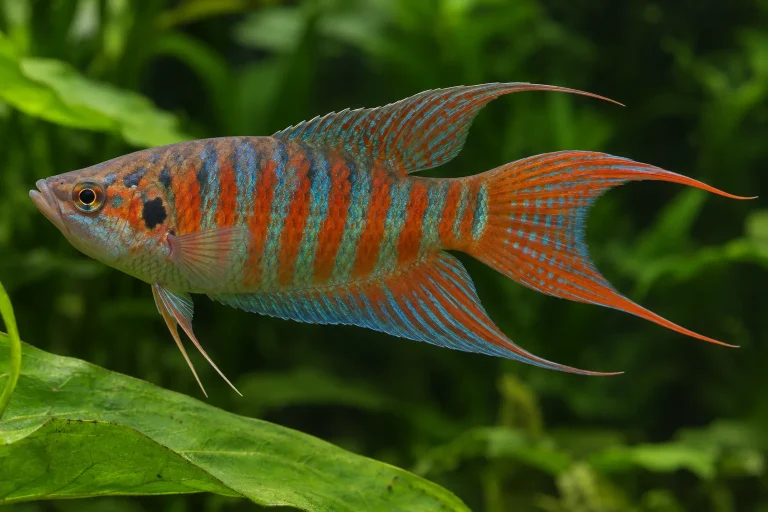
Macropodus opercularis
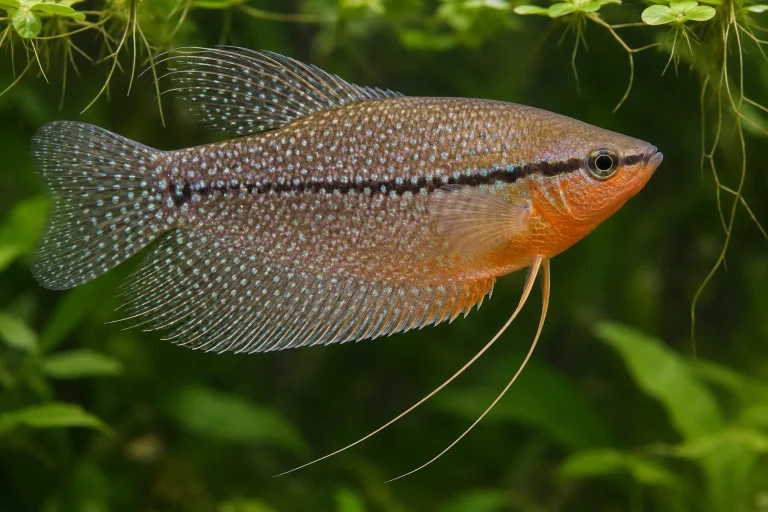
Trichopodus leerii
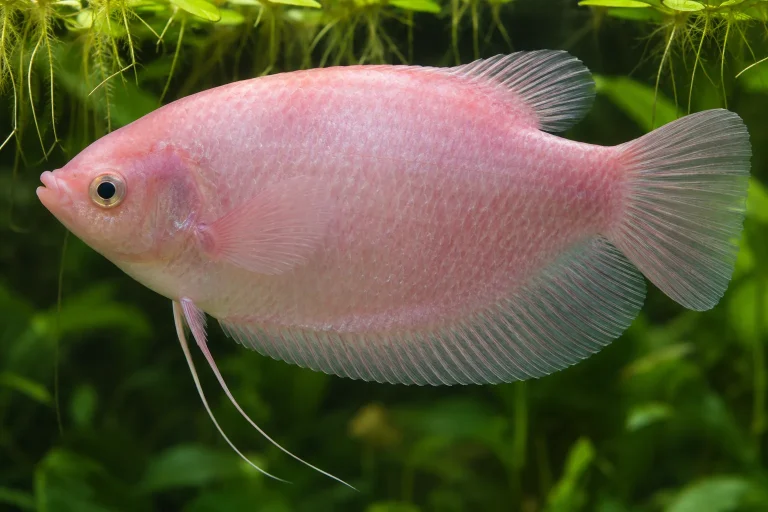
Helostoma temminckii