

Species profile
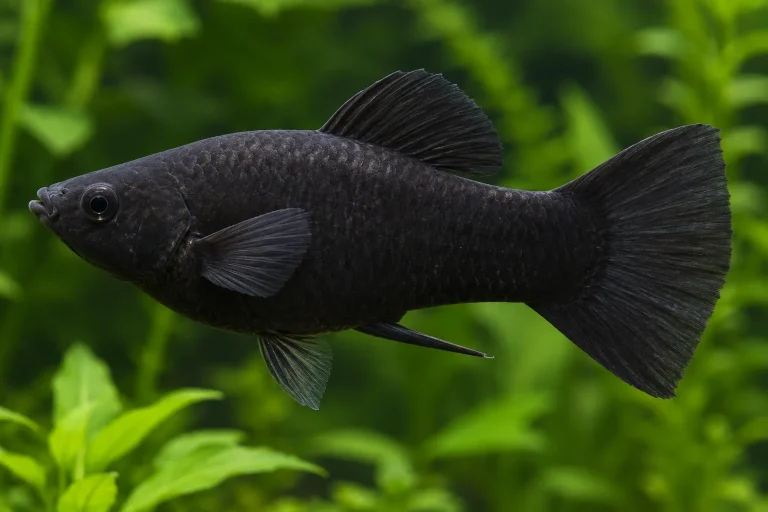
Humpbacked Limia
Limia nigrofasciata
Common names: Humpbacked Limia, Blackbarred Limia, Humpedbacked Limia
Recognized speciesLivebearers
Adult size
Up to 6.3 cm

Up to 6.3 cm
Countries of origin
Good fit for your tank?
Good fit for
- A peaceful community tank with similar-sized fish
- A small, well-kept nano tank
Think carefully if
- Your water is soft and acidic, which often causes poor health in livebearers
- You keep shrimp you want to protect
A Haitian livebearer with dark bars. Keep a group of at least 3 in 40 litres or more.
Appearance and Identification
A Haitian livebearer with dark bars. Adult males develop a hump along the back, caused by fatty tissue. It is very easy in hard, alkaline water.
Check the scientific name when buying, as common names vary between sellers and countries.
Males have a gonopodium, which is a modified anal fin used for mating. Females are larger and rounder.
Tank Requirements
- Suggested filter
- About 160–200 litres an hour
- Suggested heater
- About 50–75 W for this tank
- Minimum tank volume
- 40 litres
- Minimum tank length
- 45 cm
- Minimum group size
- 3
- Recommended group size
- 6
- Activity level
- Active
- Flow preference
- Low to moderate
- Planting preference
- Heavily planted
- Lid recommended
- Yes
- Jumping risk
- Moderate
Provide dense plants or floating cover for fry and for females that want a rest from males, and keep the water hard and alkaline.
Behaviour and Tankmates
Active, hardy and always on the move, with males displaying to females.
Keep a group, with two or three females for every male.
Not territorial, although some males chase each other.
Suits a peaceful community that likes hard water. Avoid fin nippers. Adults may eat shrimplets. It is likely to eat shrimp.
Water Parameters
Keep the pH steady, because this fish is sensitive to swings. Keep the temperature steady.
Parameter caveat
Keep up regular water changes, and acclimatise new fish slowly.
Feeding
- Diet types
- Omnivore
- Feeding frequency
- Daily
- Preferred foods
- Flake with vegetable contentA good staple for these grazing fish.
- Frozen or live daphnia and brine shrimpOffer a few times a week.
- AlgaeThey graze on it throughout the day, and it is good for them.
An algae-grazing omnivore. Offer vegetable-based flake and small frozen foods.
Feed small amounts, and remove anything left after a few minutes.
Breeding
- Breeding type
- Livebearer
- Breeding difficulty
- Easy
- Parental care
- None
- Baby foods
- Crushed flake or powdered fry foodFry can eat this from birth.
- Newly hatched brine shrimpSpeeds up growth in the first weeks.
Gives birth to live young, with no special setup needed. Adults may eat fry, so provide dense plants or move a heavily pregnant female to a separate, planted tank.
Habitat and Origin
- Geographic origin
- Haiti
- Natural habitat
- Brackish Water
- Aquarium contexts
- Nano Aquarium, Planted Aquarium
- Audience level
- Intermediate
Classification
- Profile type
- Recognized species
- Genus
- Limia
- Family
- Poeciliidae
- Species group
- Fish, Livebearers
Have you kept this species?
You can write a note about what worked for you, or send a photograph. We check everything before it appears here.
Share a note or photo
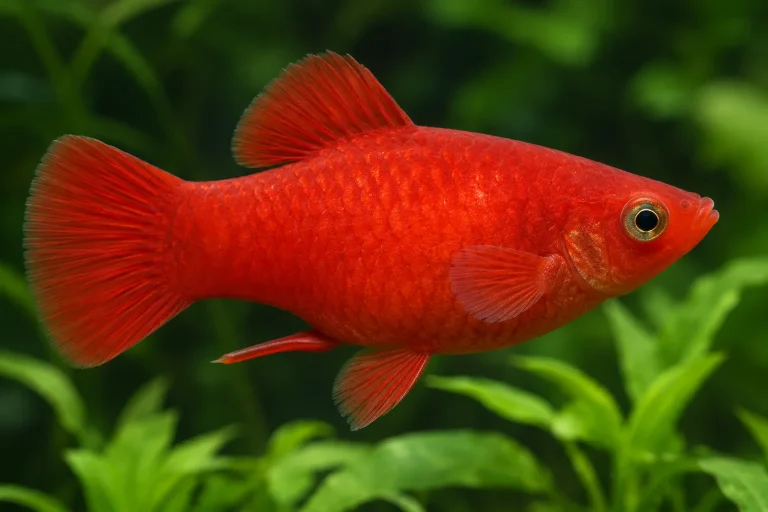
Platy
Xiphophorus maculatus
- Care level
- Beginner
- Adult size
- 4–5 cm
- Minimum tank
- 55 litres
- Temperature
- 20–26 °C
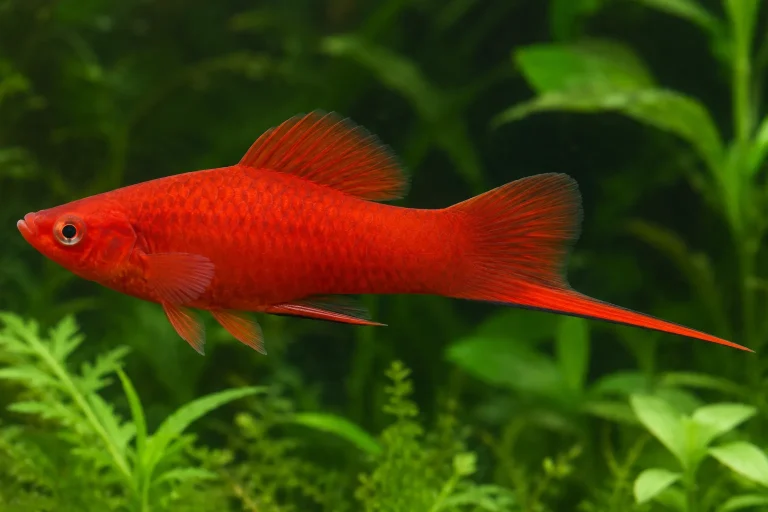
Swordtail
Xiphophorus hellerii
- Care level
- Beginner
- Adult size
- 10–14 cm
- Minimum tank
- 150 litres
- Temperature
- 16–28 °C

Tequila Splitfin
Zoogoneticus tequila
- Care level
- Intermediate
- Adult size
- 6 cm
- Minimum tank
- 81 litres
- Temperature
- 17–27 °C