
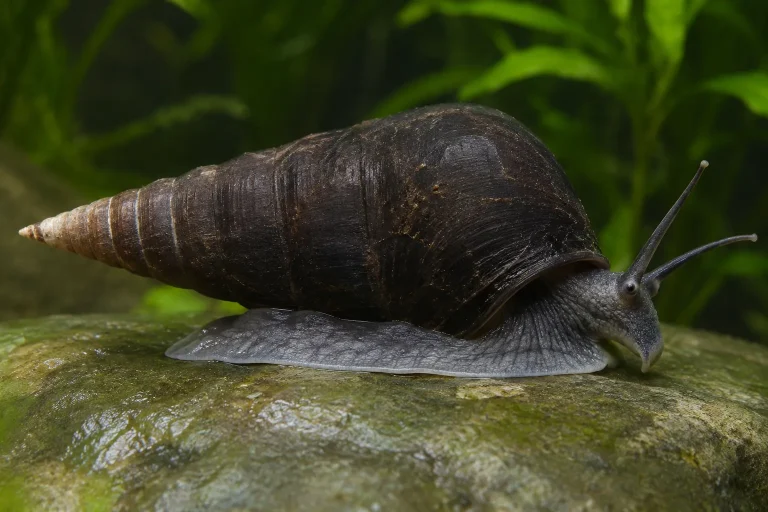
Black Devil Snail
Faunus ater
- Care level
- Intermediate
- Adult size
- 6–9 cm
- Minimum tank
- 60 litres
- Temperature
- 22–28 °C
Species profile
Anentome helena
Common names: Assassin Snail, Bumblebee Snail, Killer Snail
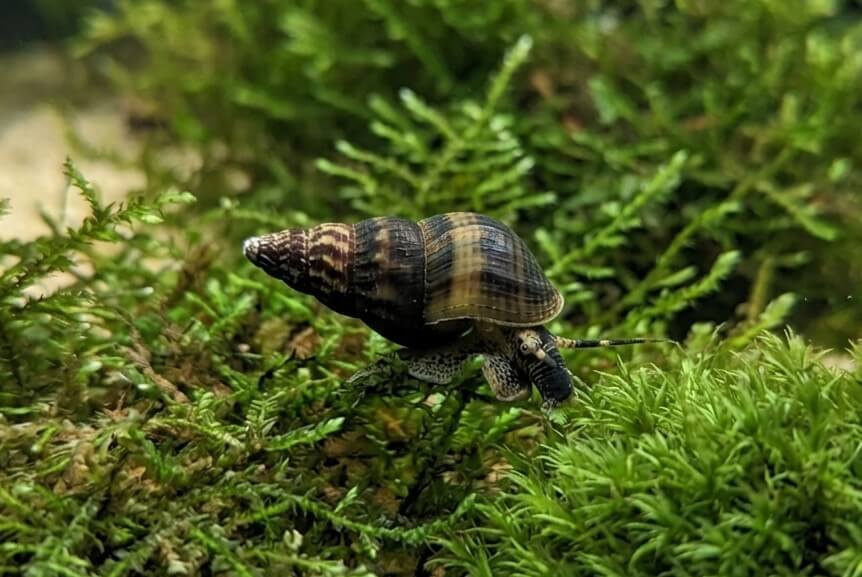
Up to 3 cm
Typical adult length 1.5–3 cm.







A small Southeast Asian predatory snail that burrows into fine substrate and feeds largely on other snails. It requires mineral-rich freshwater and regular meaty food when prey is scarce.
A small conical snail with alternating yellow, tan, and dark brown spiral bands, a grey mottled body, and a long extensible siphon.
The banded conical shell, operculum, long siphon, and predatory behaviour distinguish it from common algae-grazing snails. Clea helena is a synonym rather than a different aquarium species.
Sexes are separate but cannot be reliably distinguished from shell colour or shape. Females may be slightly larger, and sex is most reliably inferred from repeated mating or egg laying.
Use fine sand or smooth fine gravel for natural burrowing. Provide hard water, stable filtration, open feeding areas, and a secure lid. A group is useful for breeding because external sexing is unreliable.
A bottom-dwelling ambush predator and scavenger that often remains buried with only its siphon exposed.
Can live singly. A group improves the chance of containing both sexes but increases demand for animal-based food.
Not territorial, although several snails may converge on the same prey or food item.
Generally compatible with peaceful fish and robust adult shrimp, but it will attack many other snails and may consume very small, weak, or freshly moulted invertebrates. Avoid keeping it with valued ornamental snails.
Neutral to alkaline, moderately hard water protects the shell. Very soft acidic water can cause erosion and poor growth.
A carnivorous predator and scavenger specialising in other snails but also accepting worms, carrion, and protein-rich prepared foods.
Continue feeding after nuisance snails decline. Starvation is not an acceptable population-control method.
The species has separate sexes. After mating, females place individual square or oval egg capsules on glass, wood, rock, or plant surfaces. Development is slow, and juveniles often remain hidden in the substrate.
You can write a note about what worked for you, or send a photograph. We check everything before it appears here.
Faunus ater
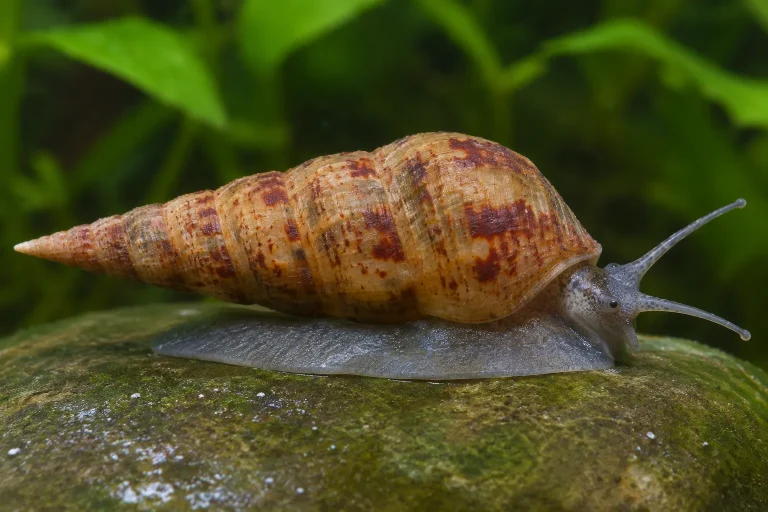
Melanoides tuberculata
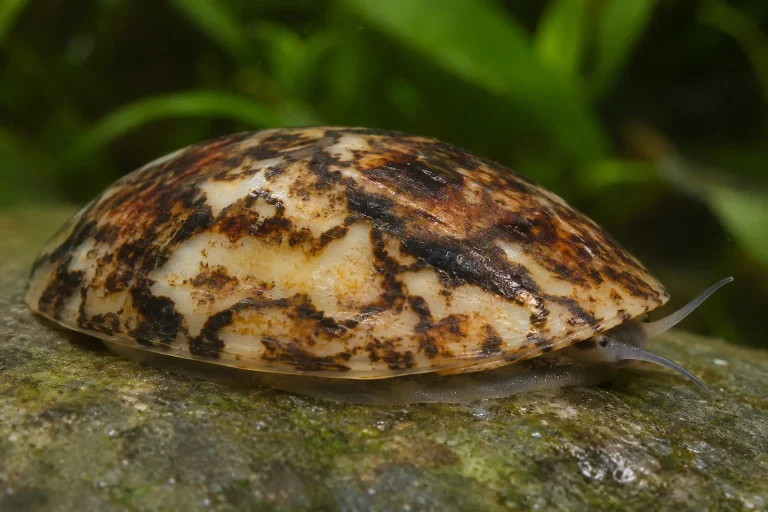
Septaria porcellana
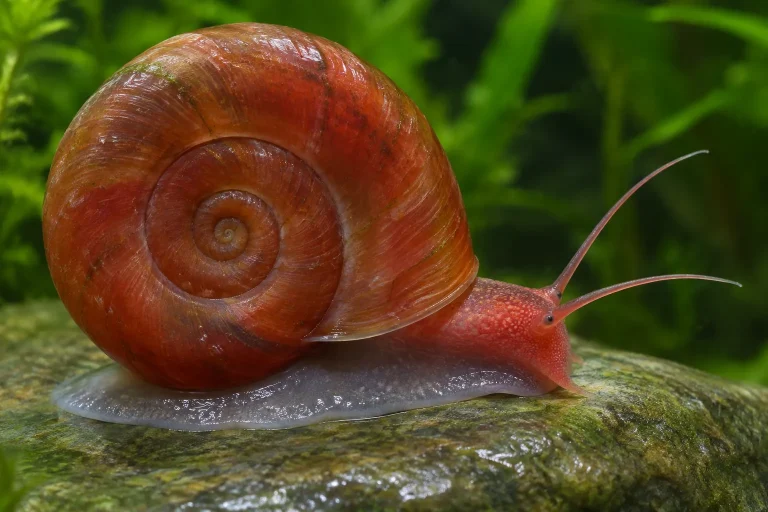
Planorbella duryi