
Explainer
Snail Compatibility Chart
Freshwater snails can live peacefully with many aquarium animals, but compatibility depends on more than whether a tank mate is labeled peaceful. Some fish specialize in crushing or extracting snails, some opportunistically nip exposed tentacles, and some large invertebrates can injure them. Snail size, shell shape, activity pattern, and the other animal's adult size all matter.
A compatibility chart should therefore be treated as a risk guide, not a guarantee. Nerite, mystery, ramshorn, bladder, Malaysian trumpet, and rabbit snails differ in size and behavior. A fish that ignores a large adult mystery snail may still eat tiny ramshorns or newly hatched snails.
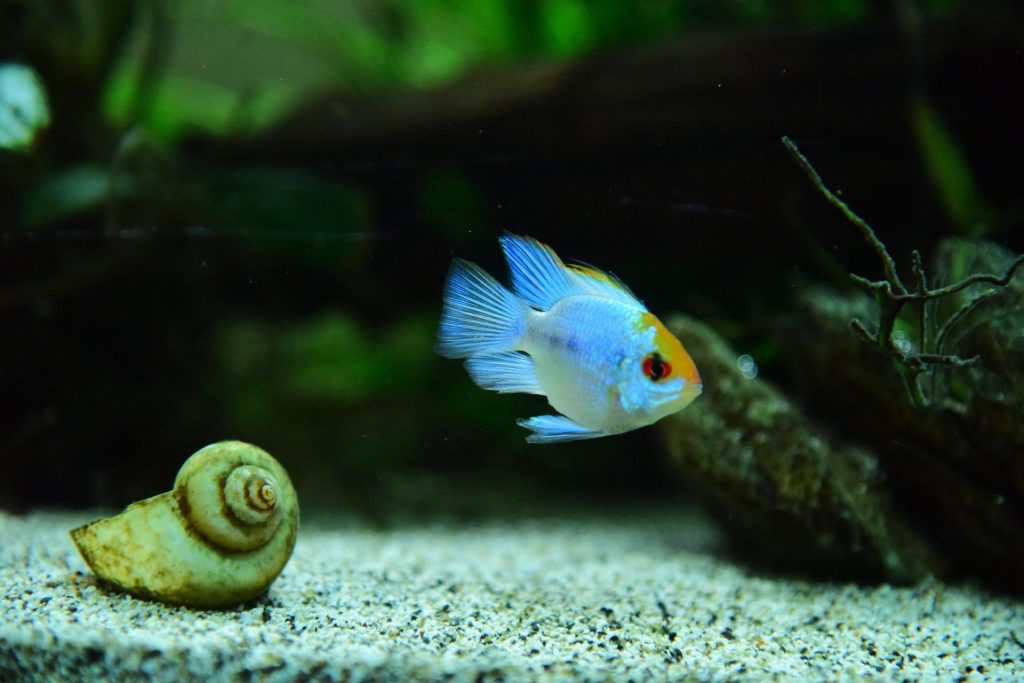
Freshwater Snail Compatibility Chart
| Tank mate | General risk | What to know |
|---|---|---|
| Neocaridina shrimp | Low | Usually peaceful; may graze the same foods. |
| Caridina shrimp | Low | Behavior is compatible, but water chemistry must suit both. |
| Small peaceful tetras/rasboras | Low to moderate | Usually ignore adult snails; may pick at tiny snails. |
| Guppies/endlers | Low to moderate | Often coexist but may investigate exposed tissue or babies. |
| Bettas | Moderate | Individual temperament varies; some nip tentacles. |
| Goldfish | Moderate to high | Can eat small snails and require different tank planning. |
| Loaches | High | Many species actively consume snails. |
| Freshwater puffers | Very high | Snails are natural prey for many species. |
| Large/aggressive cichlids | High | May crush, bite, or repeatedly harass snails. |
| Crayfish | High | Can capture and damage snails. |
The table describes general behavior, not every individual. Always research the exact species and adult size before combining animals.
Shrimp and Snails
Freshwater dwarf shrimp and common aquarium snails are usually behaviorally compatible. They often graze the same biofilm, algae, and prepared foods without directly attacking one another.
The main compatibility question is water chemistry. A soft-water Caridina aquarium may use low KH and acidic active soil, while some snails maintain shells better in more mineral-rich, less acidic water. A behaviorally peaceful pairing can still be a poor chemistry match.
Neocaridina tanks with moderate mineral content are often easier to pair with hardy snails, provided the exact species’ requirements overlap.
Peaceful Community Fish With Snails
Small tetras, rasboras, danios, and livebearers commonly coexist with adult snails. Most are more interested in fish food than in extracting a large snail from its shell.
Curious fish may still nip at tentacles or consume very small baby snails. Provide normal cover and watch newly introduced combinations rather than assuming the word peaceful means zero interaction.
Feeding fish appropriately helps reduce competition, but overfeeding to protect snails creates excess waste and can trigger unwanted snail population growth.
Bettas and Snails
Bettas are variable. Some ignore nerites and mystery snails completely; others repeatedly investigate moving tentacles and can injure exposed tissue.
Choose a snail too large to be swallowed and provide enough space that the snail can move without constant harassment. Watch closely during the first days.
If the betta persistently attacks, separate the animals. A snail cannot thrive if it spends most of its time sealed inside the shell to avoid a tank mate.
Fish That Commonly Prey on Snails
Many loaches are effective snail predators. Clown loaches, yoyo loaches, and related species may crush or extract snails and should not be selected for a display where prized snails need protection.
Freshwater puffers are even more strongly associated with mollusk predation. Snails are commonly used as part of their feeding strategy, so compatibility with ornamental snails is poor.
Some cichlids and large omnivorous fish also consume snails opportunistically. Research natural diet and adult mouth size rather than relying on community labels.
Crayfish and Other Invertebrate Risks
Crayfish are opportunistic and can capture slow-moving animals. A snail’s shell provides protection, but exposed soft tissue remains vulnerable to claws.
Larger crabs can create similar problems depending on species. Do not assume two invertebrates are compatible simply because neither is a fish.
Shrimp are generally much safer companions because dwarf shrimp lack the equipment and predatory behavior to attack healthy adult snails.
Keeping Different Snail Species Together
Many freshwater snail species can share a tank when their water requirements overlap and enough food is available. The biggest practical issue is often competition rather than aggression.
Large mystery or rabbit snails require more deliberate feeding than a few tiny ramshorns. A clean aquarium may not produce enough algae and biofilm for a large mixed snail population.
Also consider reproduction. Ramshorn, bladder, and Malaysian trumpet snail numbers can increase quickly when abundant food is available. Nerite eggs do not normally develop into juveniles in ordinary freshwater aquariums.
How to Test a New Compatibility
Research the exact species first, then introduce only animals appropriate for the aquarium’s volume and water chemistry. Observe the first feeding periods and the hours when the fish is most active.
Look for repeated nipping, a snail remaining closed for unusually long periods, damaged tentacles, or a fish persistently trying to flip or extract it. One curious inspection is different from repeated harassment.
Have a separation plan before experimenting with a moderate-risk combination. Compatibility should never depend on hoping an attacked snail eventually adapts.
Frequently Asked Questions
Can Shrimp Live With Aquarium Snails?
Usually yes when their water-chemistry requirements overlap. Dwarf shrimp and common snails are generally peaceful toward each other.
Can Bettas Live With Snails?
Sometimes. Individual bettas vary, and some nip exposed tentacles. Observe closely and separate them if harassment persists.
Do Loaches Eat Snails?
Many loach species actively prey on snails, making them a poor choice with ornamental snails.
Can Puffers Live With Snails?
Not if the goal is to keep the snails safe. Many freshwater puffers naturally prey on mollusks.
Will Guppies Eat Snails?
They usually coexist with larger adult snails but may investigate or eat very small snails.
Can Mystery Snails and Nerite Snails Live Together?
They often can when water chemistry, tank size, and food supply suit both species.
Can Crayfish Live With Snails?
The risk is high because crayfish can capture and damage slow-moving snails.
Why Is My Snail Hiding After I Added Fish?
Persistent closure can reflect harassment or environmental stress. Observe fish interactions and also check water quality.