Water Change Guide
Regular partial water changes are one of the least glamorous jobs in fishkeeping, but they are also one of the most useful.
Guides & advice
Regular partial water changes are one of the least glamorous jobs in fishkeeping, but they are also one of the most useful.
How to use a gravel vacuum: choosing one, starting the siphon, vacuuming around plants, sand and aquasoil, and how often to do it.
Clean aquarium decorations safely: removing them, cleaning algae and deposits, when disinfection is really needed, and keeping them clean.
How often to clean an aquarium filter, how to maintain mechanical and biological media, the impeller and hoses, and why to stagger the work.
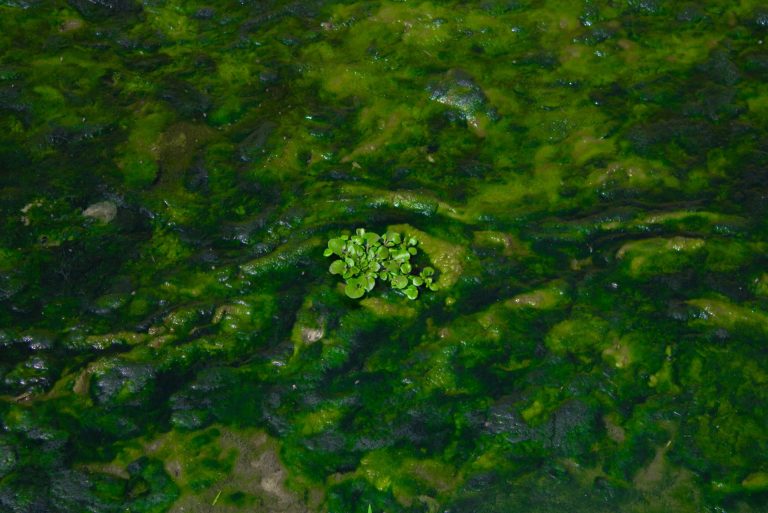
Algae is a normal part of a freshwater aquarium, and a small amount on rocks, wood, or glass is not a sign that the tank has failed.
A stable freshwater aquarium can usually handle a short absence better than it handles last-minute overfeeding, major cleaning, or untested equipment.
When an emergency water change is needed, how much to change, preparing safe replacement water, what to check afterwards, and mistakes to avoid.
Fix cloudy aquarium water: tell bacterial blooms from dust and debris, check ammonia and nitrite, clear it safely, and stop it coming back.
What causes green water, whether it is harmful, and how to clear it with a blackout, UV sterilizer or other methods, then keep it from returning.
Why aquarium water turns brown, from driftwood tannins to waste problems, how to check water quality first, and how to clear or prevent it.
White fuzzy growth on new aquarium wood can look alarming, especially when it appears only a few days after you set up the tank.
Why fish gasp at the surface, what to do immediately, and how to find the cause, from low oxygen and ammonia to heat, medication or gill disease.