Skip to content
Menu

Species profile

Assassin Snail

Anentome helena

Common names: Assassin Snail, Bumblebee Snail, Killer Snail
Recognized speciesAssassin Snails

Adult size

Up to 3 cm

Typical adult length 1.5–3 cm.

Up to 3 cm

Countries of origin

  • See all stock from Cambodia
  • See all stock from Indonesia
  • See all stock from Laos
  • See all stock from Malaysia
  • See all stock from Thailand
  • See all stock from Vietnam

Good fit for your tank?

Good fit for

  • Mature planted aquarium setups
  • Beginner shrimp keepers
  • Peaceful nano aquariums

Think carefully if

  • The tank is newly cycled
  • Water conditions change frequently

A small Southeast Asian predatory snail that burrows into fine substrate and feeds largely on other snails. It requires mineral-rich freshwater and regular meaty food when prey is scarce.

Appearance and Identification

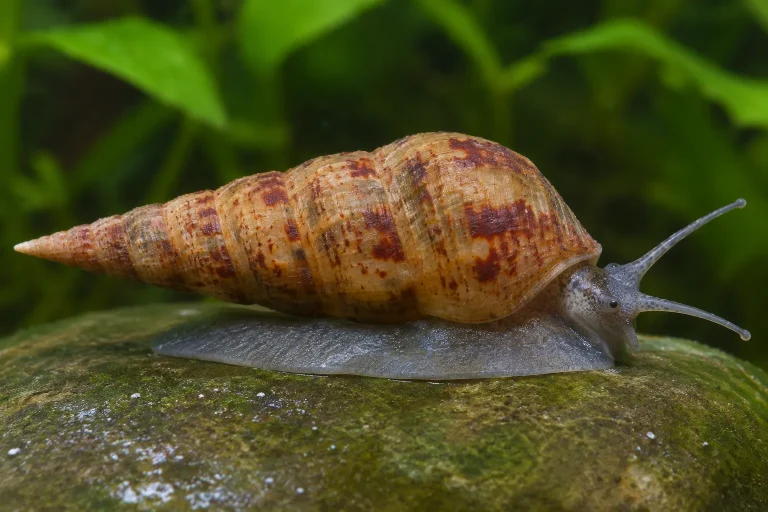
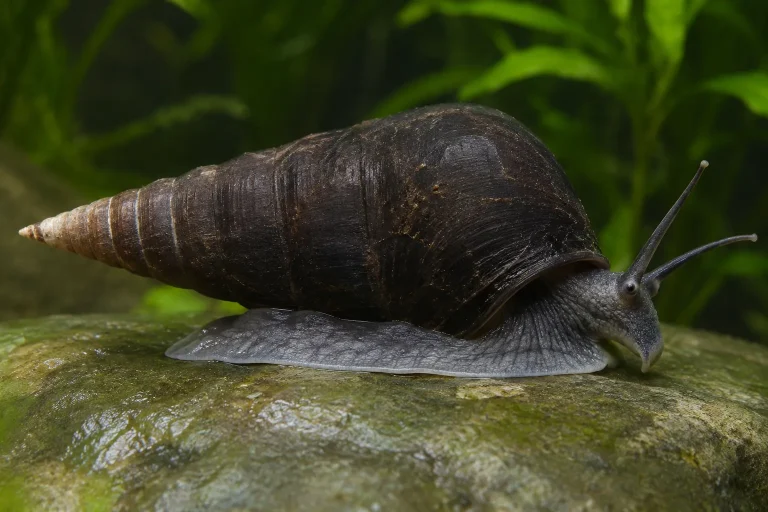
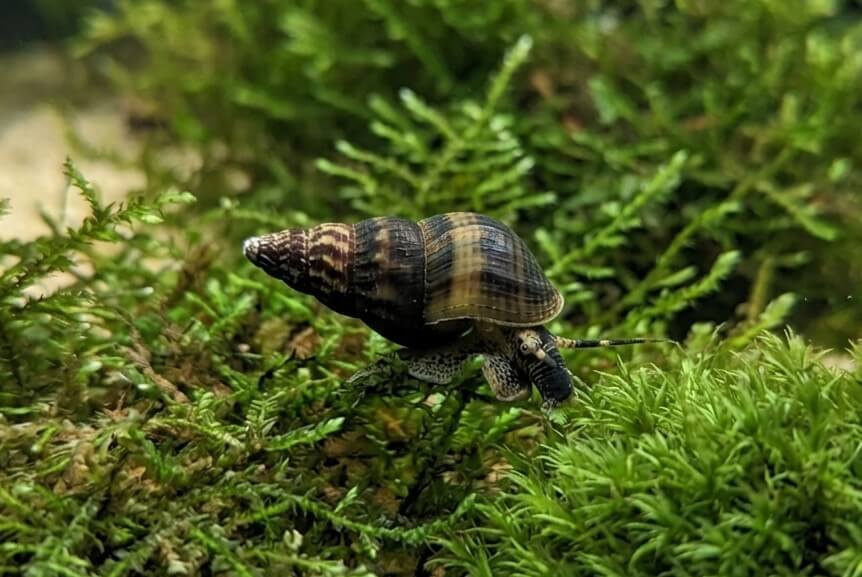
A small conical snail with alternating yellow, tan, and dark brown spiral bands, a grey mottled body, and a long extensible siphon.

The banded conical shell, operculum, long siphon, and predatory behaviour distinguish it from common algae-grazing snails. Clea helena is a synonym rather than a different aquarium species.

Sexes are separate but cannot be reliably distinguished from shell colour or shape. Females may be slightly larger, and sex is most reliably inferred from repeated mating or egg laying.

Tank Requirements

Suggested filter
About 40–60 litres an hour
Suggested heater
About 25–50 W for this tank
Minimum tank volume
20 litres
Minimum tank length
30 cm
Minimum group size
1
Recommended group size
5
Activity level
Moderate
Flow preference
Low
Planting preference
Moderately planted
Hiding places
Yes
Lid recommended
Yes
Jumping risk
Low

Use fine sand or smooth fine gravel for natural burrowing. Provide hard water, stable filtration, open feeding areas, and a secure lid. A group is useful for breeding because external sexing is unreliable.

Behaviour and Tankmates

A bottom-dwelling ambush predator and scavenger that often remains buried with only its siphon exposed.

Can live singly. A group improves the chance of containing both sexes but increases demand for animal-based food.

Not territorial, although several snails may converge on the same prey or food item.

Generally compatible with peaceful fish and robust adult shrimp, but it will attack many other snails and may consume very small, weak, or freshly moulted invertebrates. Avoid keeping it with valued ornamental snails.

Check tankmates for this species

Water Parameters

Temperature
20–28 °C
pH
7–8.2
GH
8–20
KH
3–12
TDS
150–500
Stability importance
Important

Neutral to alkaline, moderately hard water protects the shell. Very soft acidic water can cause erosion and poor growth.

Parameter caveat
Avoid copper-based medication and sudden mineral changes. Predatory fish and snail-eating loaches can injure or consume the snail.

Feeding

Diet types
Carnivore, Predator, Scavenger
Preferred foods
  • Small pest snailsNatural prey, but the aquarium should not depend on uncontrolled prey breeding.
  • Frozen bloodworm or blackwormPlace small portions close to the substrate.
  • High-protein sinking pelletEssential when live snail prey is unavailable.
  • Fresh carrion from safe aquatic foodsUse very small portions and remove remains promptly.

A carnivorous predator and scavenger specialising in other snails but also accepting worms, carrion, and protein-rich prepared foods.

Continue feeding after nuisance snails decline. Starvation is not an acceptable population-control method.

Breeding

Breeding type
Egg Layer, Underwater Egg Clutch
Breeding difficulty
Moderate
Breeding temperature
25 °C
Breeding pH
7.5
Brood or egg count
Single eggs deposited separately in individual capsules.
Incubation
42 days
Parental care
None
Baby foods
  • Very small snailsNatural prey for growing juveniles once they begin active hunting.
  • Fine high-protein sinking foodPlace tiny portions near the substrate.
  • Microworms or finely chopped frozen wormsUse sparingly as supplementary animal food.

The species has separate sexes. After mating, females place individual square or oval egg capsules on glass, wood, rock, or plant surfaces. Development is slow, and juveniles often remain hidden in the substrate.

Habitat and Origin

Geographic origin
Asia, Cambodia, Indonesia, Laos, Malaysia, Southeast Asia, Thailand, Vietnam
Natural habitat
Freshwater River, Freshwater Stream, Sand/Mud Substrate
Aquarium contexts
Freshwater Aquarium, Nano Aquarium, Planted Aquarium, Snail Tank
Audience level
Beginner

Classification

Profile type
Recognized species
Genus
Anentome
Family
Nassariidae
Species group
Assassin Snails, Invertebrates, Snails
Previous scientific names
Clea helena, Historic combination still common in aquarium literature; currently accepted as Anentome helena.

Have you kept this species?

You can write a note about what worked for you, or send a photograph. We check everything before it appears here.

Share a note or photo

JPG, PNG, or WebP, up to 5 MB.