

Purple Sailfin Gudgeon
Microphysogobio tafangensis
- Care level
- Specialist
- Adult size
- 7–9 cm
- Minimum tank
- 100 litres
- Temperature
- 16–24 °C
Species profile
Tateurndina ocellicauda
Common names: Peacock Gudgeon, Peacock-eye Gudgeon
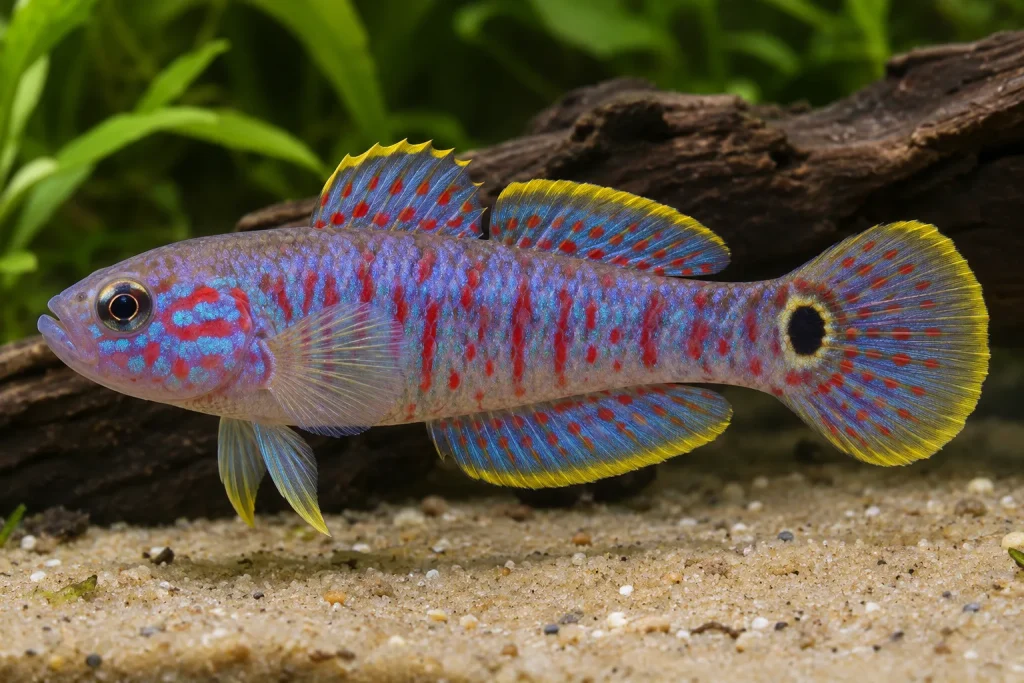
Up to 7.5 cm
Typical adult length 5–7.5 cm.


Peacock Gudgeon is a a small, deep-bodied sleeper gudgeon with a blue to violet sheen, red broken stripes and spots, yellow-edged fins, and a dark eye-like mark at the base of the tail.
Peacock Gudgeon is a small, deep-bodied fish with a blue to violet sheen, broken red bars and spots, yellow-edged fins, and a dark eye-like spot at the base of the tail. Its rounded head, large eyes, and patterned fins give it a distinctive appearance even when it is not displaying. Colour becomes stronger in settled adults kept over a darker background with good cover.
The tail-base eyespot, blue-violet body, red markings, and yellow fin edging make this species distinctive. Avoid confusing it with unrelated fish sold under the broad trade name peacock goby.
Males are generally larger with a broader, more rounded head and longer dorsal and anal fins. Females tend to have a more pointed head, a fuller abdomen, and may develop a yellow belly when ready to spawn. Young fish can be difficult to sex until the head shape and fin length become clear.
Provide a mature planted aquarium with calm to moderate flow, open lower-level swimming room, and many narrow caves, tubes, or crevices. More shelters than males reduce conflict and allow pairs to form without one fish controlling the entire tank. Keep the water clean and well oxygenated, but avoid a strong current that forces the fish to hide continuously.
This is a peaceful, observant gudgeon that hovers around plants and the lower half of the aquarium before making short dashes for food. Adults form a loose social group rather than a tight school. Males display to females and defend a chosen cave during spawning, but serious aggression is uncommon when the aquarium has enough space and shelter.
Keep a pair or, preferably, a group of six or more with a balanced sex ratio and numerous shelters. Larger groups show more natural interaction when space allows.
Males defend spawning caves and may chase one another, but serious aggression is unusual in a well-structured aquarium.
Peacock Gudgeons combine well with calm community fish that do not bully them or dominate every feeding. Suitable companions should be peaceful and too large to be mistaken for prey. Adult shrimp may survive in a densely furnished aquarium, but shrimplets, tiny fry, and newly hatched fish are likely to be eaten.
Soft to moderately mineralised, clean freshwater is suitable. Avoid very warm, oxygen-poor conditions and large swings in pH or conductivity.
Some links may earn us a commission on qualifying purchases, at no extra cost to you. Check suitability, price and availability with the seller. How affiliate links work
 Manual aquarium siphon and gravel cleaner
A manual siphon for routine aquarium water changes and accessible waste removal. The seller lists a hose approximately 1.6 m long.
Control the flow and keep the intake clear of fish and delicate planting. Clean the areas appropriate for your substrate and layout rather than disturbing the entire planted bed.
Offer small sinking or slowly falling pellets together with frozen or live Artemia, Daphnia, cyclops, mosquito larvae, and similar foods. Make sure food reaches the lower water levels because these fish may hesitate while faster surface feeders eat. Feed small portions and prevent leftovers from collecting inside spawning caves.
Small portions once or twice daily work well. Some fish initially ignore flakes and need moving foods while they adapt.
Peacock Gudgeons are cave spawners. A pair enters a narrow shelter, the female attaches a clutch of adhesive eggs, and the male remains inside to fan and guard them. After hatching, the fry require very small first foods such as infusoria or rotifers before progressing to Artemia nauplii. Separate rearing usually gives better survival than leaving the fry in a community aquarium.
You can write a note about what worked for you, or send a photograph. We check everything before it appears here.
Microphysogobio tafangensis
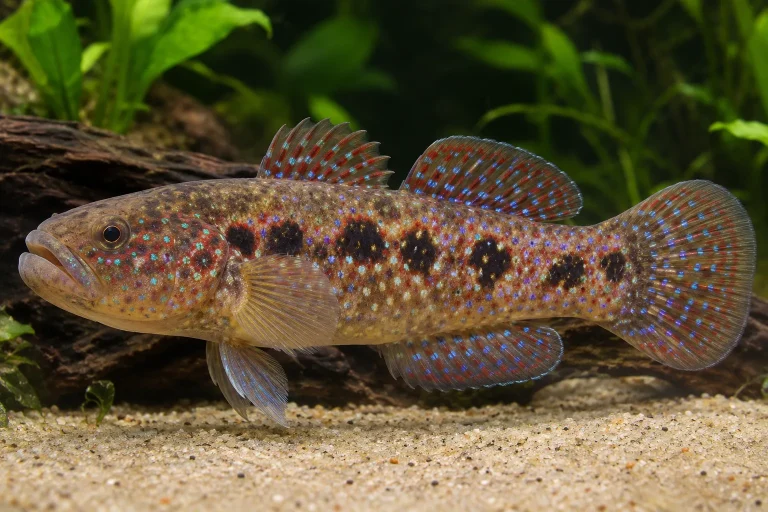
Mogurnda adspersa
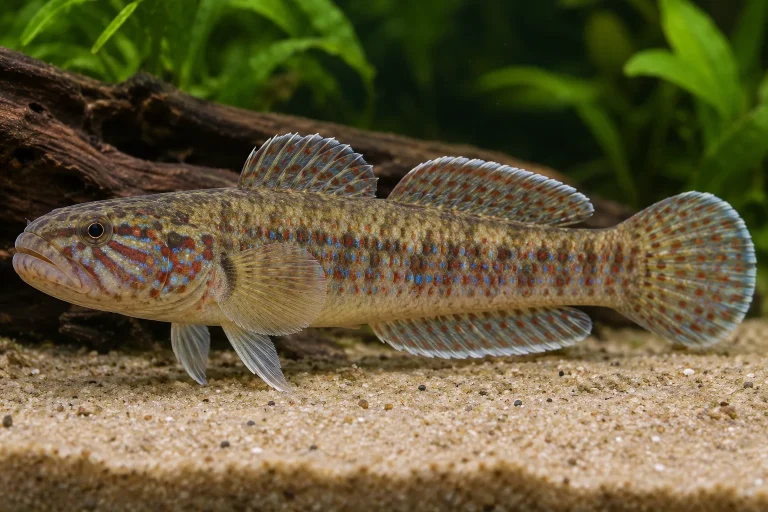
Giuris tolsoni
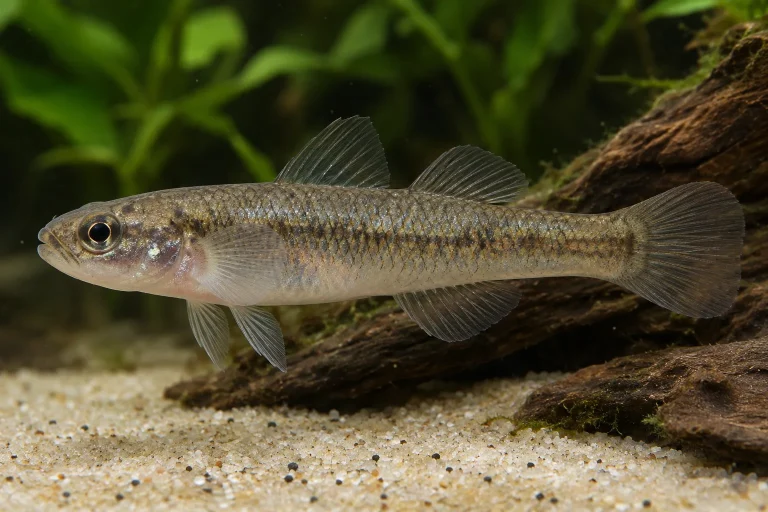
Hypseleotris cyprinoides