
How-To Guide
Breeding Corydoras
Corydoras breed when well-fed adults are triggered by a cooler water change, often after a period of heavy feeding. Females stick eggs to glass and plants. Move the eggs or protect them in the tank, keep the water clean and oxygenated, and feed the fry tiny foods once they are free-swimming.
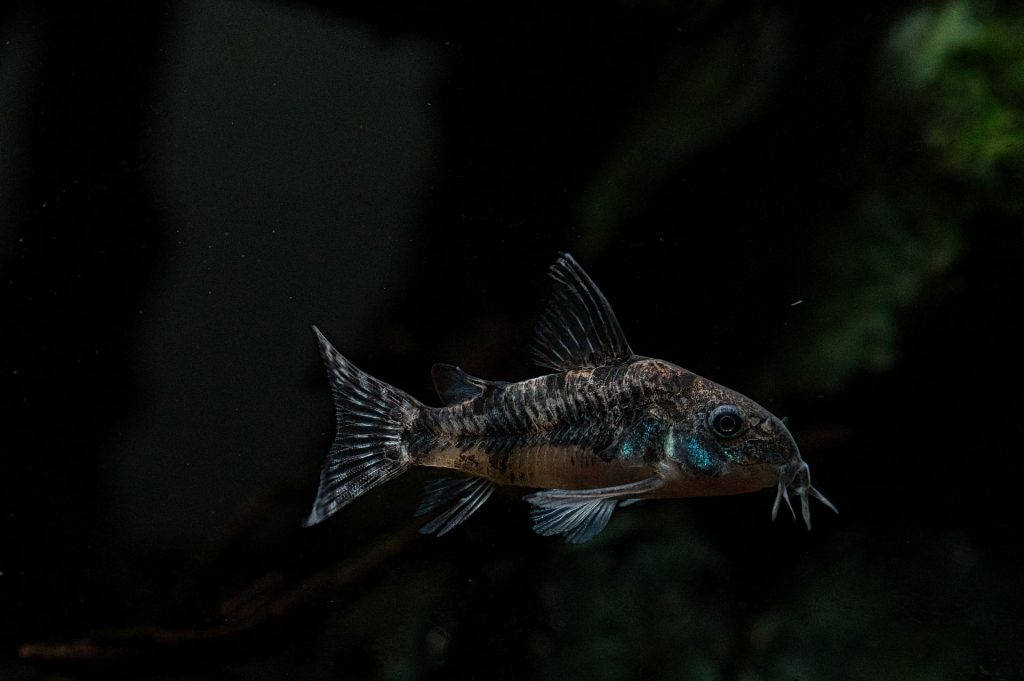
How Corydoras Breeding Works
Corydoras are egg-laying catfish, and many species perform characteristic courtship before females attach adhesive eggs to glass, plants, spawning mops, or other surfaces.
Conditioning Adult Corydoras for Spawning
Healthy adults should be well fed with varied, nutritious foods before breeding attempts, because producing eggs and repeated courtship require good body condition.
Spawning Triggers and Water Changes
For some Corydoras, cooler or larger water changes that resemble seasonal rainfall can encourage spawning, but the response varies by species and should never involve a dangerous temperature shock.
Protecting and Managing Corydoras Eggs
Eggs may be left in the breeding tank or moved carefully to a separate container, but either approach must protect them from predation, poor circulation, and deteriorating water quality.
Hatching and the First Days
Developing eggs require clean oxygenated water, and newly hatched larvae initially rely on their yolk reserves before they are ready for external food.
Feeding Corydoras Fry
Once fry begin feeding, offer appropriately small foods such as microworms, finely prepared fry diets, or newly hatched brine shrimp when the fry are large enough to take them.
Grow-Out Care and Common Breeding Problems
As fry grow, increase food size, maintain clean substrate and water, prevent filter-intake losses, and provide enough space so heavy feeding does not overwhelm the nursery.
Frequently Asked Questions
How Do I Know Corydoras Are Ready to Breed?
Well-conditioned adults may become more active, chase through the aquarium, and perform species-typical courtship before a female deposits adhesive eggs. Apply this within the stable water and husbandry conditions described for breeding corydoras, rather than changing several breeding variables at once.
Do Corydoras Need a Separate Breeding Tank?
A separate tank is not mandatory for spawning, but it makes eggs and fry easier to protect from adults and community fish and simplifies targeted feeding. Apply this within the stable water and husbandry conditions described for breeding corydoras, rather than changing several breeding variables at once.
Should I Use a Cold Water Change to Trigger Spawning?
Some species respond to a modest cooler water change associated with seasonal cues, but never create an extreme temperature drop. Research the exact Corydoras species first. Apply this within the stable water and husbandry conditions described for breeding corydoras, rather than changing several breeding variables at once.
Will Adult Corydoras Eat Their Eggs?
They can consume eggs, which is why breeders often remove adults after spawning or carefully transfer eggs to a protected incubation setup. Apply this within the stable water and husbandry conditions described for breeding corydoras, rather than changing several breeding variables at once.
When Should Corydoras Fry Be Fed?
Newly hatched larvae first use their yolk reserve. Begin external feeding when they become free-swimming and are developmentally ready to search for food. Apply this within the stable water and husbandry conditions described for breeding corydoras, rather than changing several breeding variables at once.
What Is a Good First Food for Corydoras Fry?
Suitable options can include microworms, fine prepared fry food, and later newly hatched brine shrimp, depending on fry size and the species being raised. Apply this within the stable water and husbandry conditions described for breeding corydoras, rather than changing several breeding variables at once.
Why Do Corydoras Eggs Turn White?
Opaque white eggs are often infertile or no longer developing, while viable appearance varies. Remove clearly deteriorating eggs carefully when they threaten nearby healthy eggs. Apply this within the stable water and husbandry conditions described for breeding corydoras, rather than changing several breeding variables at once.
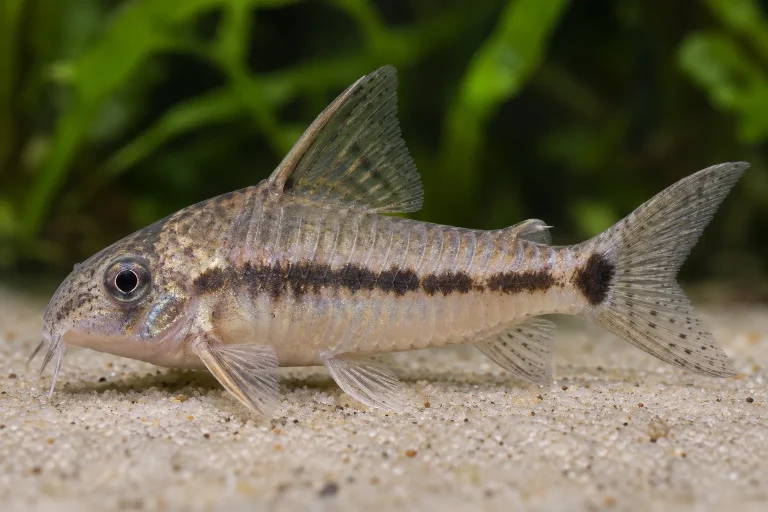
Napo Corydoras
Gastrodermus napoensis
- Care level
- Advanced
- Adult size
- 3–4.5 cm
- Minimum tank
- 60 litres
- Temperature
- 22–27 °C
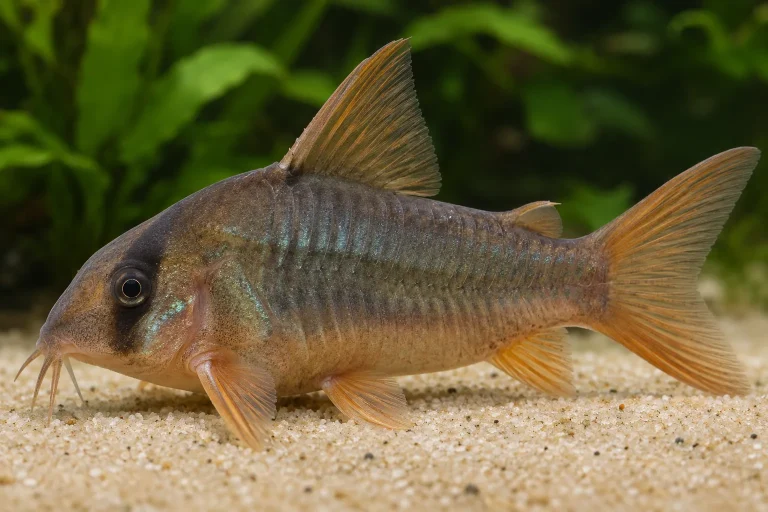
Slate Corydoras
Hoplisoma concolor
- Care level
- Intermediate
- Adult size
- 4.5–6 cm
- Minimum tank
- 75 litres
- Temperature
- 22–27 °C
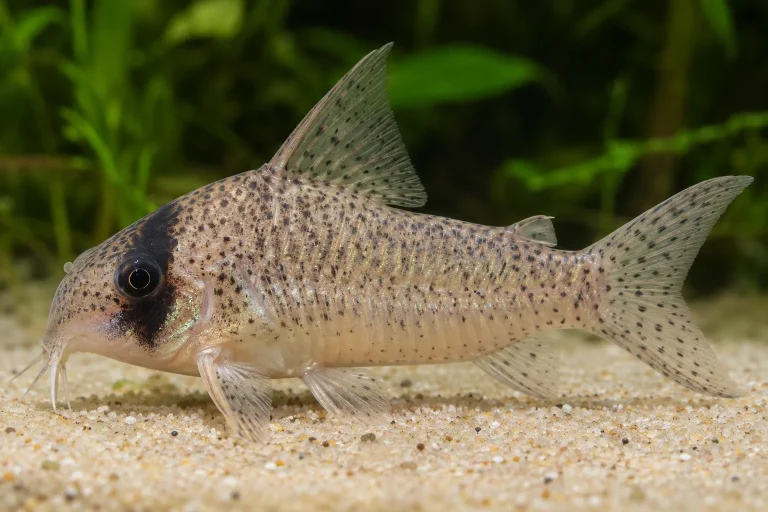
Fairy Corydoras
Hoplisoma atropersonatum
- Care level
- Advanced
- Adult size
- 3.5–5 cm
- Minimum tank
- 60 litres
- Temperature
- 22–27 °C
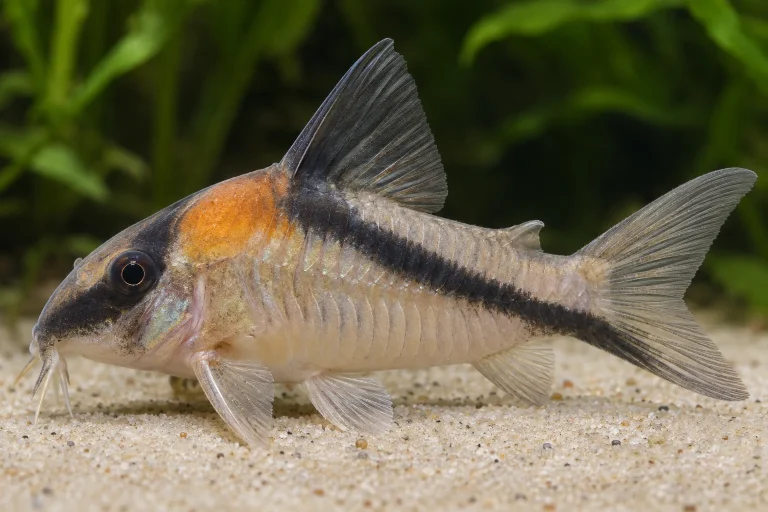
Sands Corydoras
Hoplisoma davidsandsi
- Care level
- Advanced
- Adult size
- 4–5.5 cm
- Minimum tank
- 75 litres
- Temperature
- 22–27 °C