
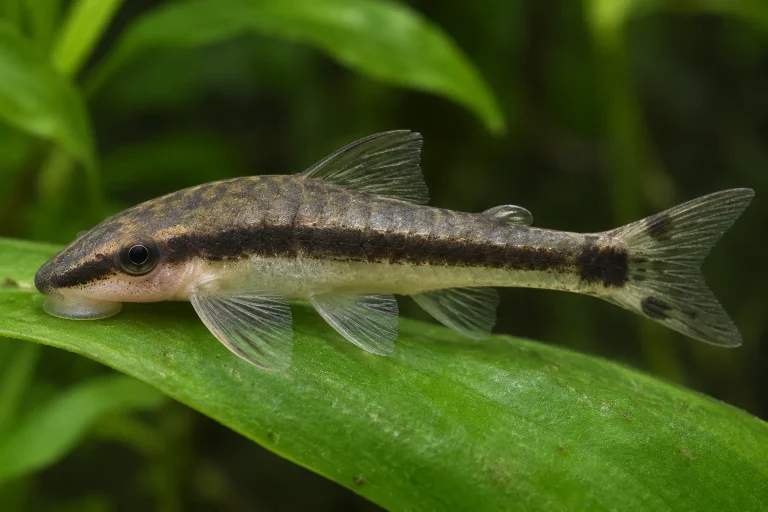
Otocinclus Catfish
Otocinclus macrospilus
- Care level
- Intermediate
- Adult size
- 3–3.5 cm
- Minimum tank
- 40 litres
- Temperature
- 21–26 °C
Species profile
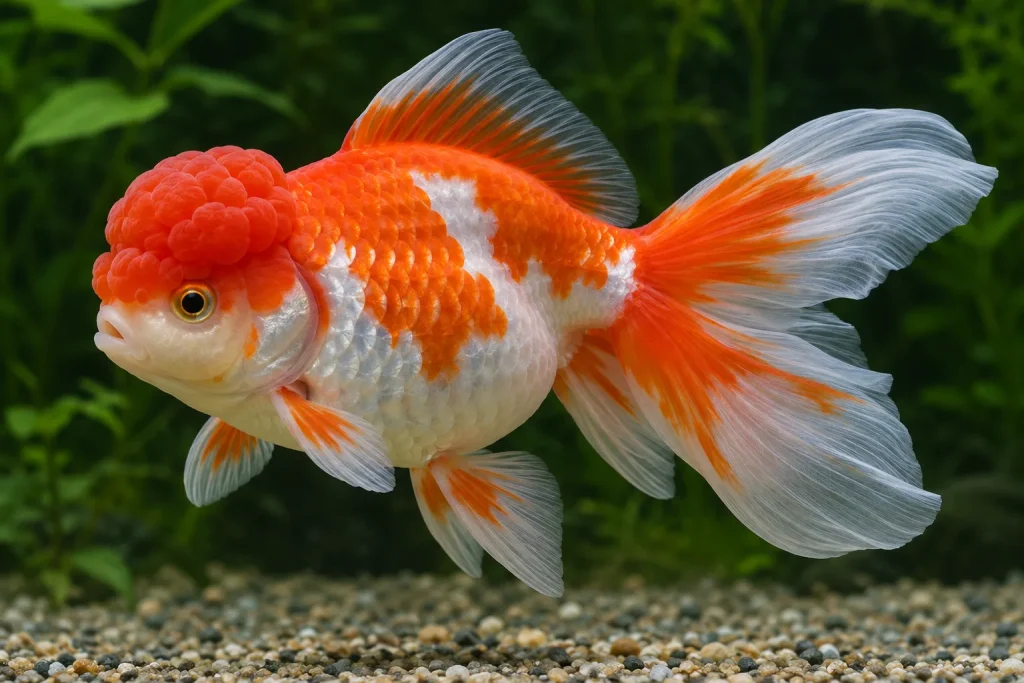
Carassius auratus
Common names: Fancy Goldfish, Oranda, Ryukin, Fantail, Black Moor, Lionhead
Up to 20 cm
Typical adult length 10–20 cm.





Round-bodied, slow-swimming goldfish such as orandas, ryukins, and fantails. They need clean, filtered water and steady feeding, and are more delicate than common goldfish.
A rounded, egg-shaped body with a double tail in most varieties, and many colours. Orandas and lionheads have a fleshy head growth called a wen, and moors are black with protruding eyes.
A variety name describes body shape, fins, head growth, or colour. Care is broadly similar, but varieties with restricted sight, such as telescopes and bubble eyes, need extra care with decor and competition.
Hard to tell outside the breeding season. Males develop small white tubercles on the gill covers and pectoral fins, and females become rounder when full of eggs.
Choose smooth decor with no sharp edges, plus strong filtration that does not push fish around. Soft plants may be eaten or uprooted, so robust plants or smooth wood work better.
Slow and sociable, spending the day foraging. Many varieties struggle to compete with faster fish.
Social fish that do better with others of a similar body type and swimming speed.
Not territorial. Males chase females persistently during the breeding season.
Best kept with other fancy goldfish of similar size and ability. Avoid common goldfish, fast fish, nippers, and tropical species. Shrimp are likely to be eaten.
Most care guides recommend about 18 to 24 °C, and temperatures below about 10 °C are dangerous for fancy varieties. Temperatures above 30 °C can also cause harm.
An omnivore that benefits from sinking foods and plenty of plant matter, because its compact body makes it prone to digestive problems.
Sinking food reduces gulping of air at the surface, a suspected cause of buoyancy problems. Fibrous foods such as blanched peas can help with constipation.
Spawning usually follows a seasonal temperature change. Males chase gravid females and nudge them to release adhesive eggs, which attach to dense plants or a spawning mop and hatch within 48 to 72 hours. Adults may eat the young, so move eggs or fry to a separate tank. Not all fry will carry the features of the parents.
You can write a note about what worked for you, or send a photograph. We check everything before it appears here.
Otocinclus macrospilus
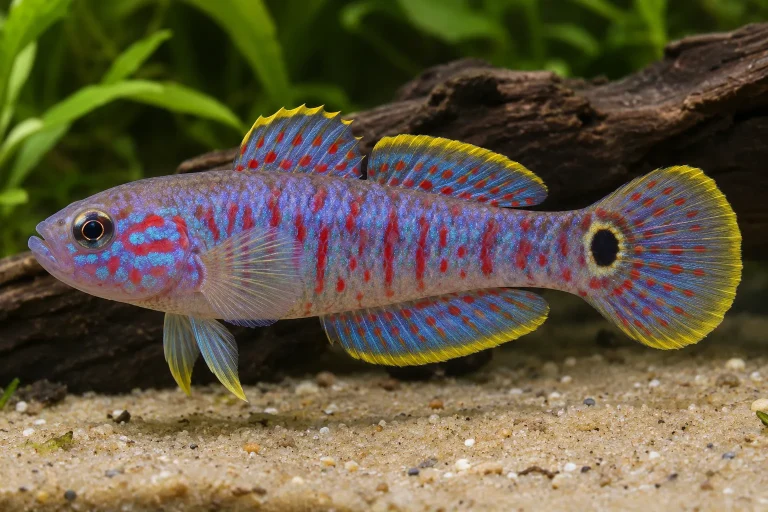
Tateurndina ocellicauda

Microphysogobio tafangensis
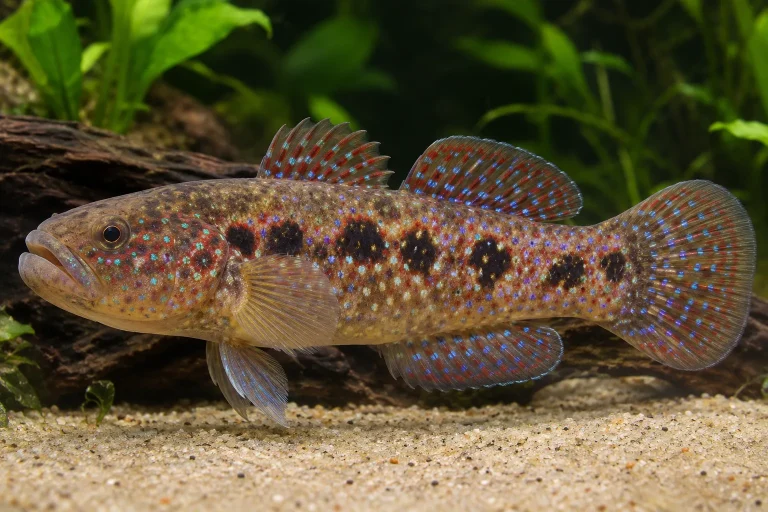
Mogurnda adspersa