
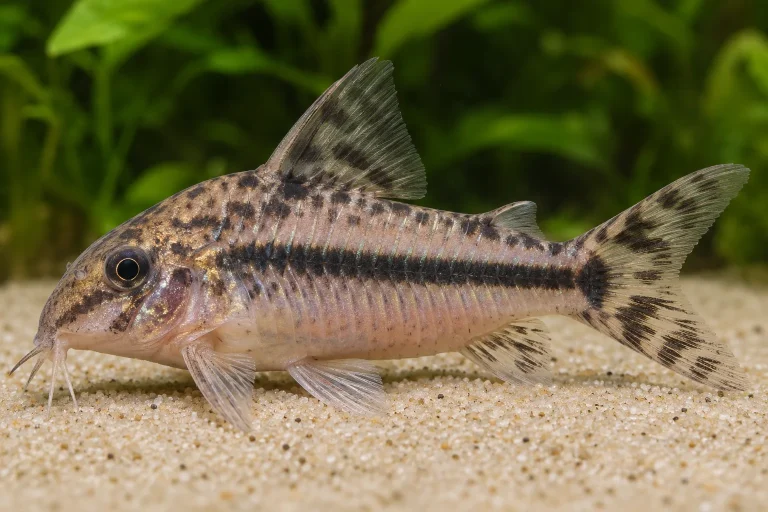
Axelrod’s Corydoras
Hoplisoma axelrodi
- Care level
- Intermediate
- Adult size
- 4–5.5 cm
- Minimum tank
- 75 litres
- Temperature
- 22–27 °C
Species profile
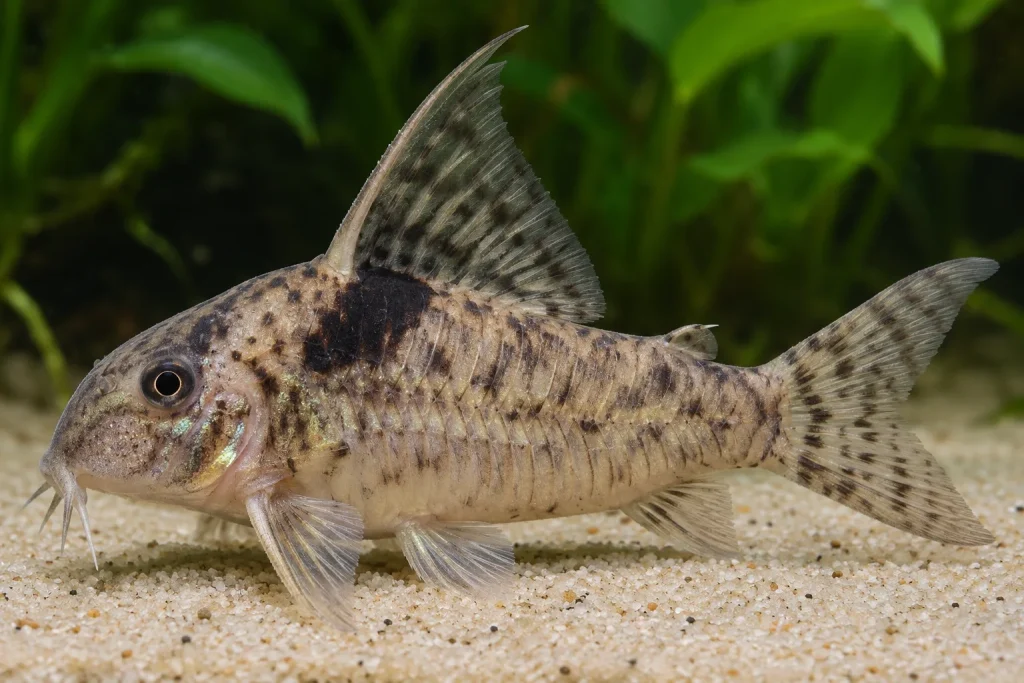
Hoplisoma armatum
Common names: Armatus Corydoras, Armatus Cory, Armoured Corydoras
Up to 6.5 cm
Typical adult length 5–6.5 cm.


Armatus Corydoras is a peaceful South American callichthyid catfish recognised by a prominent dark dorsal saddle, scattered flank spots, and a tall first dorsal ray. It should be kept in a same-species group over fine sand in clean, oxygen-rich freshwater.
A pale silver-beige cory with dark mottling, a prominent dark dorsal patch and a notably tall dorsal fin that gives it a sail-like outline. The long first dorsal ray is especially obvious in settled adults.
Identify this profile by the combination of a prominent dark dorsal saddle, scattered flank spots, and a tall first dorsal ray. Older sources commonly list this fish as Corydoras armatus; the current profile follows the accepted or revised placement Hoplisoma armatum. Colour alone can be unreliable in stressed, juvenile, or poorly conditioned fish, so body shape, snout length, fin pattern, and provenance should also be checked.
Mature females are usually larger and broader through the abdomen, especially when viewed from above, while males tend to remain slimmer. Juveniles are difficult to sex, and body shape is more dependable than fin shape or colour.
Keep a proper group over smooth sand, with open foraging space, shaded cover, roots or plants and clean, well-oxygenated water. Leave unobstructed access to the surface because these catfish periodically gulp air, and avoid sharp gravel that can damage the mouth and barbels.
A peaceful but active social catfish that benefits from a broad floor and a substantial group. It spends long periods probing the substrate and may be more vigorous at feeding than smaller, round-snouted corys.
Keep at least 6 of the same species or coded population, with 8 or more preferred where space permits. A mixed collection of single corys does not fully replace a proper same-species group.
It is not territorial. Males may briefly chase one another or follow females during courtship, but sustained aggression is unusual when the group has adequate floor space.
Best with peaceful small or medium community fish that do not monopolise food. Avoid aggressive cichlids, fin-nippers, large predatory fish and very competitive bottom feeders; eggs, fry and tiny shrimp may still be eaten opportunistically.
Some links may earn us a commission on qualifying purchases, at no extra cost to you. Check suitability, price and availability with the seller. How affiliate links work
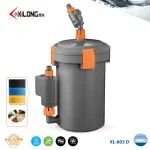 Xilong XL-803D canister filter – up to 100 L
An external-filter option for the moderate-flow setup described above. The seller lists a 400 L/h pump and an aquarium capacity of up to 100 litres.
Check the volume of your actual aquarium and the needs of its complete stocking. Use the flow control or spray bar to avoid a concentrated current. A larger tank or a species requiring strong river flow needs a different filter selection.
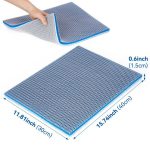 Cut-to-fit aquarium filter media pad
A cut-to-fit pad for compatible filter compartments. The listing describes a sheet approximately 16 by 12 inches; check the offered variant and the space inside your filter.
The seller description varies between five and eight layers, so confirm the actual sheet before ordering. Keep the filter manufacturer’s media arrangement and avoid obstructing the flow.
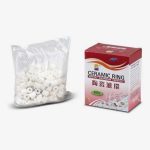 Xinyou ceramic filter rings – 300 g
A biological-media option for a filter with a suitable media basket. This listing is a 300 g pack of ceramic rings.
Check the ring size and available basket space. Installing new media does not make a new aquarium instantly cycled, and these rings do not replace routine water-quality checks.
Soft to moderately hard, slightly acidic to neutral water is suitable. Provide good oxygenation and keep ammonia and nitrite at zero.
Some links may earn us a commission on qualifying purchases, at no extra cost to you. Check suitability, price and availability with the seller. How affiliate links work
 Manual aquarium siphon and gravel cleaner
A manual siphon for routine aquarium water changes and accessible waste removal. The seller lists a hose approximately 1.6 m long.
Control the flow and keep the intake clear of fish and delicate planting. Clean the areas appropriate for your substrate and layout rather than disturbing the entire planted bed.
Feed a varied sinking diet based on quality catfish pellets or wafers, supported by small frozen or live foods and occasional plant-based ingredients. Deliver food directly to the group and check that every fish eats instead of expecting it to survive on scraps.
Feed after faster surface and midwater fish have taken their share, and confirm that every individual reaches food. Use small portions once or twice daily, remove persistent leftovers, and vary prepared and frozen or live foods.
Detailed aquarium breeding records are limited. It is expected to use the usual Corydoradinae T-position and attach adhesive eggs to firm surfaces, but triggers, egg output and fry requirements should not be presented as reliably established for this species.
You can write a note about what worked for you, or send a photograph. We check everything before it appears here.
Hoplisoma axelrodi
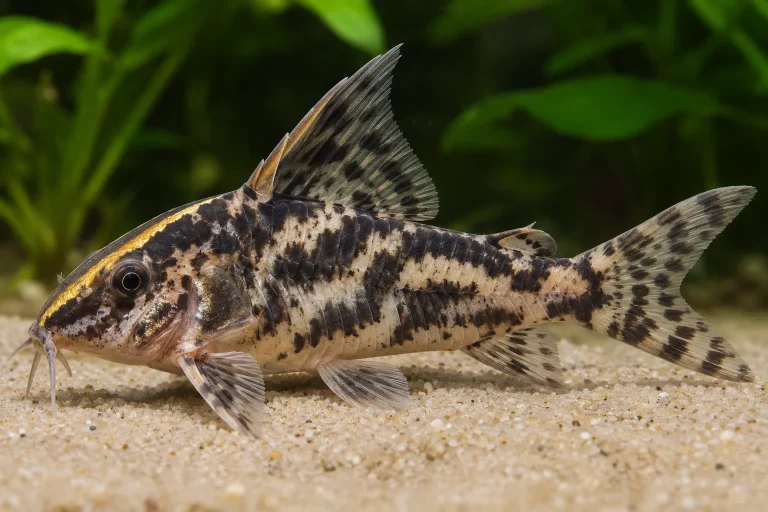
Scleromystax barbatus
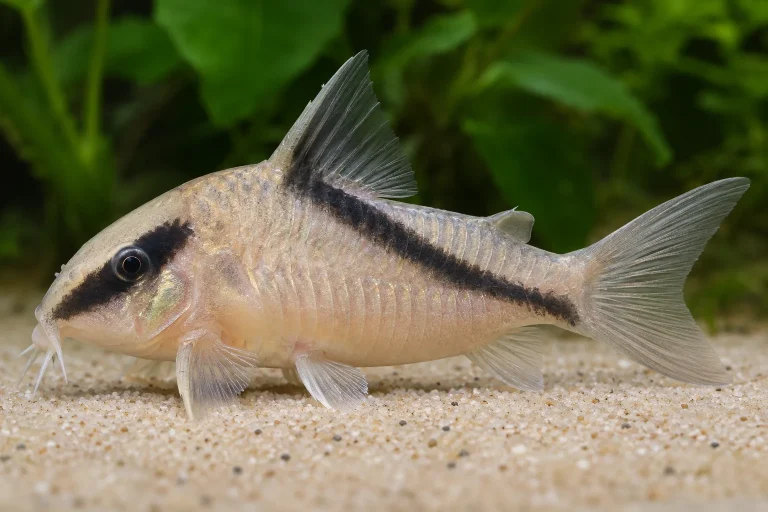
Hoplisoma metae

Hoplisoma sp. CW049