
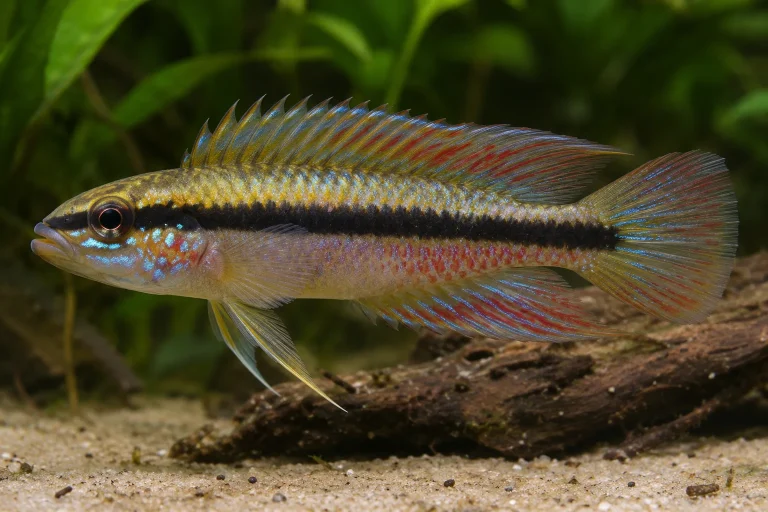
Black Stripe Dwarf Cichlid
Taeniacara candidi
- Care level
- Specialist
- Adult size
- 4–7 cm
- Minimum tank
- 60 litres
- Temperature
- 25–30 °C
Species profile
Gymnogeophagus balzanii
Common names: Argentine Humphead, Balzani Eartheater
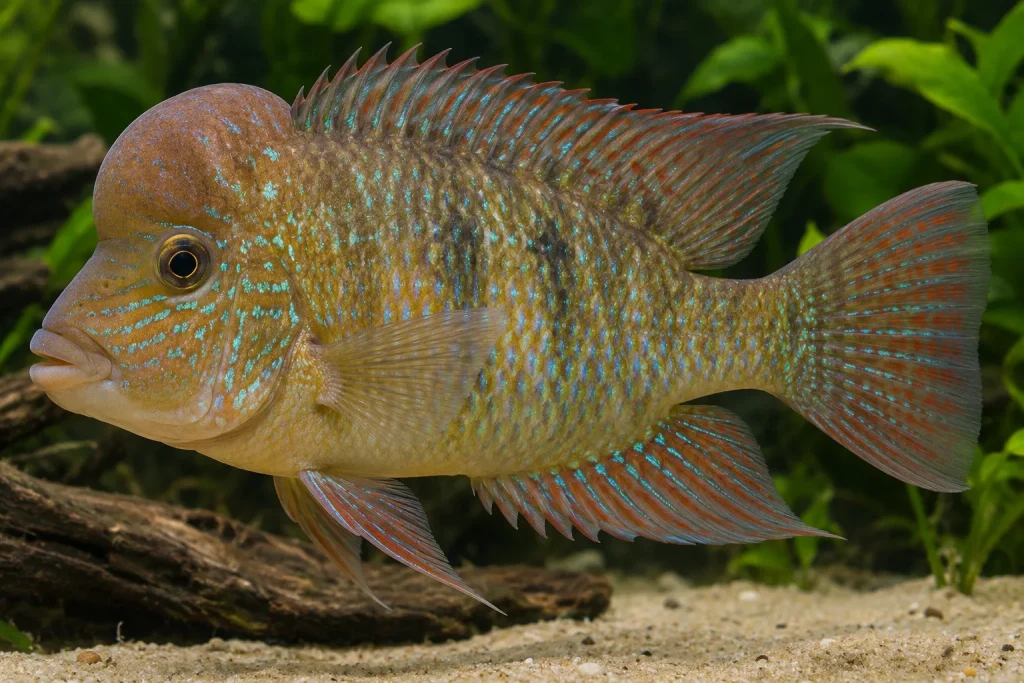
Up to 20 cm
Typical adult length 12–20 cm.





A subtropical eartheater whose adult males develop a prominent forehead hump and whose females mouthbrood larvae.
Males become deep-bodied with a large nuchal hump, iridescent blue-green scales, and reddish fin markings. Females remain smaller and less hump-backed.
The adult male hump and larvophilic mouthbrooding behaviour are characteristic. It should not be kept permanently at discus-like tropical temperatures.
Males are larger, more colourful, and develop a pronounced nuchal hump. Females are smaller and carry larvae in the mouth.
Provide fine sand, rocks, wood, strong filtration, open floor space, and a seasonal cool period. Keep a group so social interactions are distributed.
A generally peaceful eartheater with a social hierarchy and increased pair territoriality during breeding.
Best kept in a group of five or more. Adult males display to one another and females need space to withdraw while mouthbrooding.
Spawning pairs defend a substrate site before the female takes larvae into her mouth.
Suitable with robust subtropical South American fishes. Avoid heat-dependent species, tiny fish, shrimp, and aggressive Central American cichlids.
This subtropical species benefits from seasonal cooling, often into the high teens or low twenties Celsius, followed by warmer breeding conditions.
Some links may earn us a commission on qualifying purchases, at no extra cost to you. Check suitability, price and availability with the seller. How affiliate links work
 Manual aquarium siphon and gravel cleaner
A manual siphon for routine aquarium water changes and accessible waste removal. The seller lists a hose approximately 1.6 m long.
Control the flow and keep the intake clear of fish and delicate planting. Clean the areas appropriate for your substrate and layout rather than disturbing the entire planted bed.
An omnivorous sand-sifter feeding on small invertebrates, detritus, and plant material.
Scatter sinking foods across fine sand. Reduce feeding slightly during the cooler seasonal rest period.
A larvophilic maternal mouthbrooder. Eggs are laid and guarded on the substrate, then the female collects hatched larvae and carries them in her mouth.
You can write a note about what worked for you, or send a photograph. We check everything before it appears here.
Taeniacara candidi
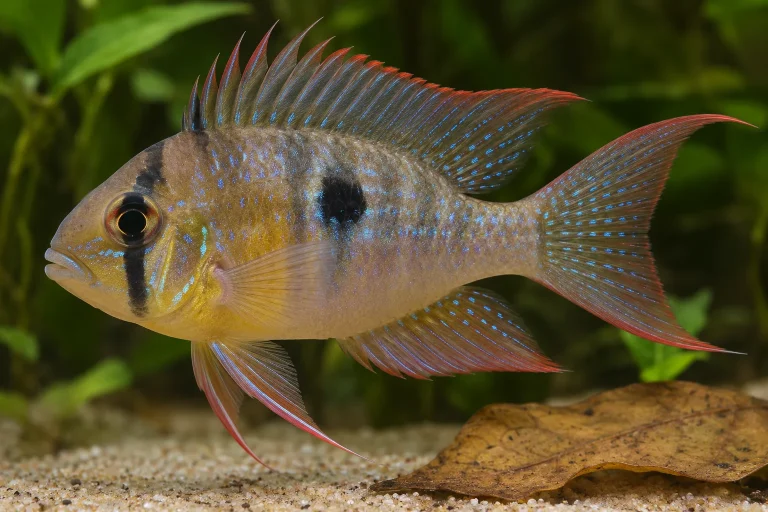
Mikrogeophagus altispinosus
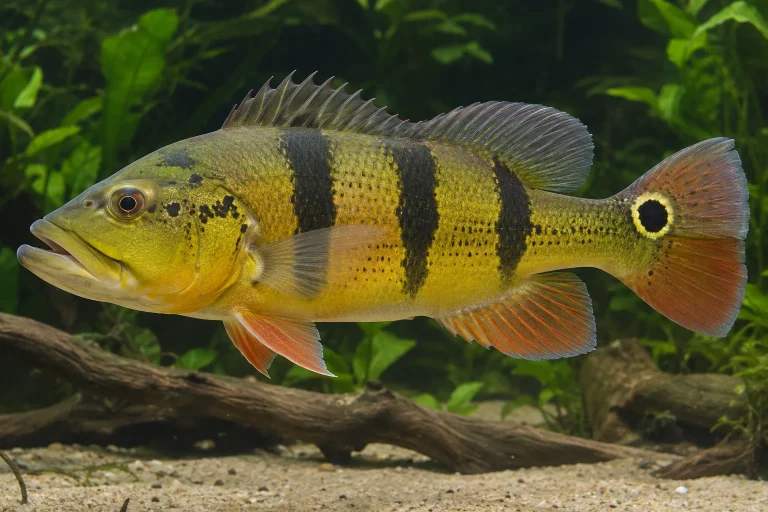
Cichla ocellaris
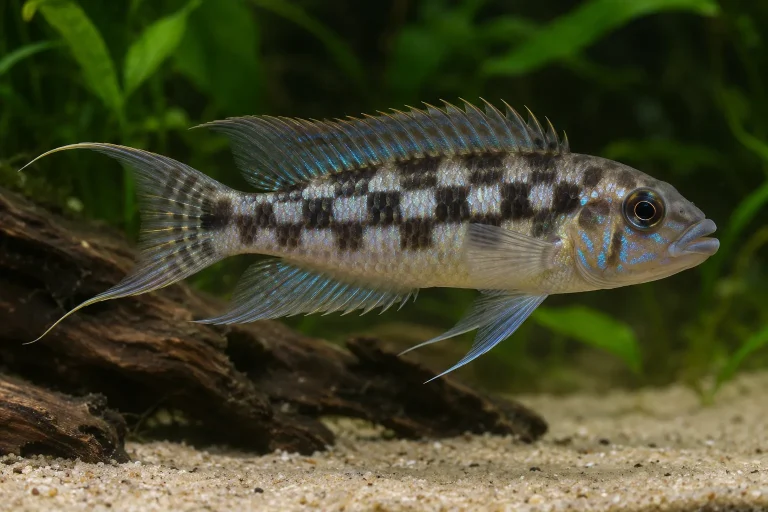
Dicrossus filamentosus